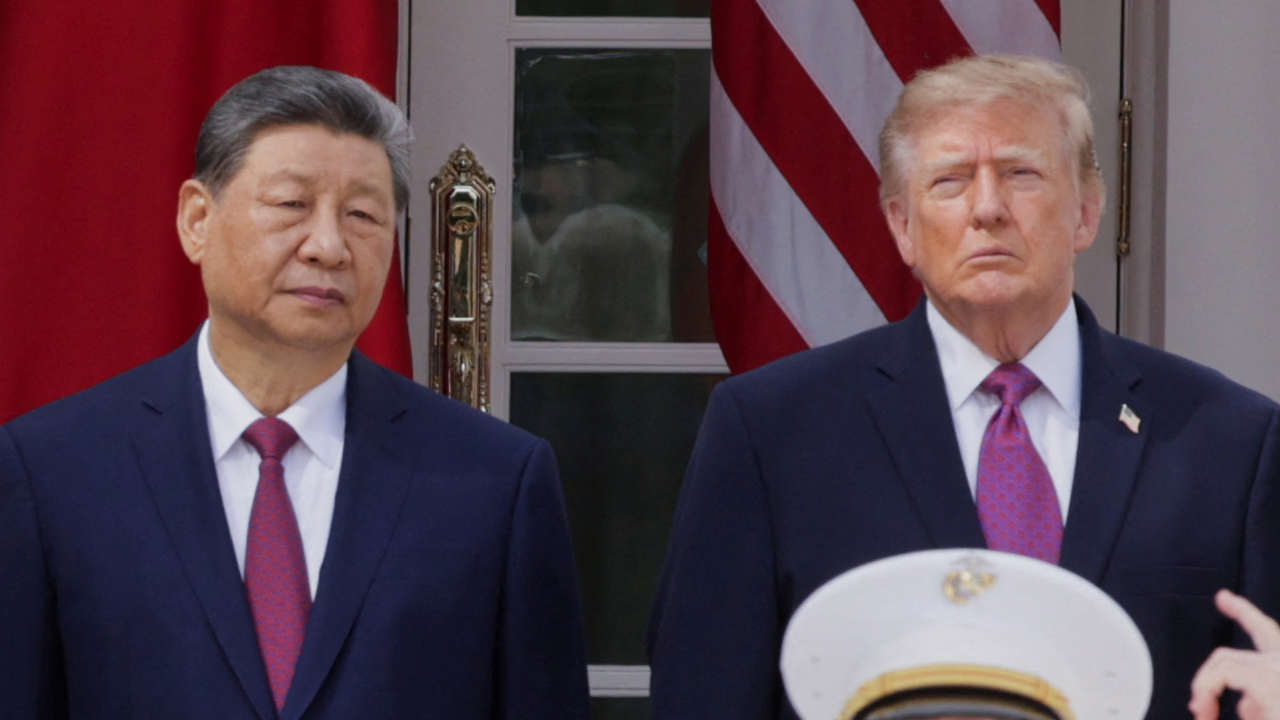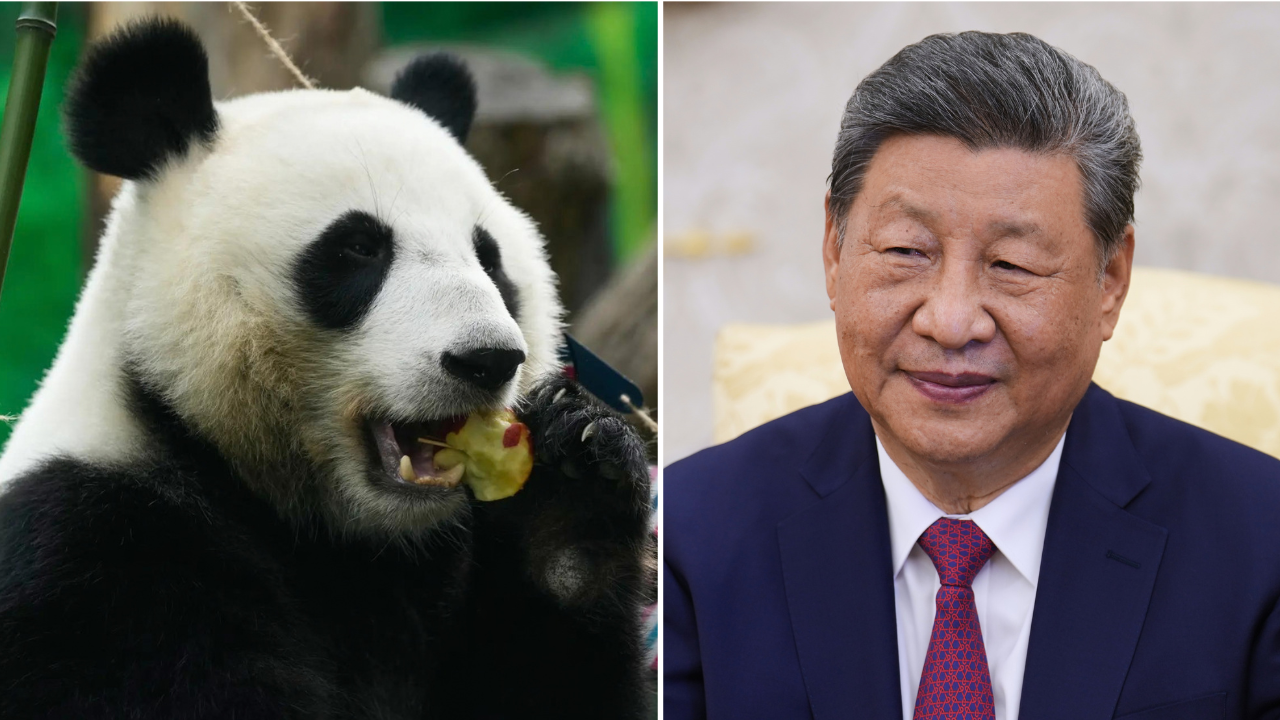
International relations rarely feature biological assets serving as direct barometers of geopolitical alignment. When Chinese President Xi Jinping announced the transfer of two giant pandas, Ping Ping and Fu Shuang, to Zoo Atlanta following a high-level summit, the event was coded by mainstream reporting as a simple gesture of goodwill. This interpretation ignores the rigorous economic and diplomatic architecture underpinning wildlife exchanges. Zoo-based diplomacy functions as a highly calculated instrument of statecraft, operating under strict contractual obligations, financial flows, and behavioral metrics that dictate bilateral stability between sovereign nations.
To understand the mechanics of this transaction, one must deconstruct the operational model of contemporary zoological exchanges. The transfer of specimens from the Chengdu Research Base of Giant Panda Breeding to foreign institutions is not a donation, but a long-term conditional lease. The agreement with Zoo Atlanta establishes a ten-year operational timeline, predicated on strict compliance matrices that dictate veterinary standards, dietary logistics, and facility capital expenditures.
The economic cost function of maintaining these specimens is substantial and asymmetrical. Host institutions absorb the entirety of the financial burden, which includes an annual conservation fee typically valued in the millions of dollars, specialized habitat construction, and continuous supply chains for high-grade bamboo. This financial commitment creates a sunk cost dependency for the host city. When diplomatic friction causes an expiration or non-renewal of agreements—as observed when previous cohorts departed US facilities—local economies face an immediate drop in tourism revenue and civic engagement metrics.
The timing of the Atlanta transfer reveals the underlying utility of ecological assets as diplomatic leverage. Coming in the wake of leadership summits, the announcement served as a stabilization mechanism. In international negotiation theory, tangible symbols of cooperation are deployed to signal intent and lower domestic political resistance to broader policy compromises. By tying a universally popular cultural asset to state-level engagement, both administrations utilize biological collateral to build a baseline of mutual interest that transcends standard diplomatic channels.
The operational success of this framework depends entirely on execution accuracy. Zoo Atlanta must maintain strict adherence to auditing procedures conducted by the administering foreign authority. Any deviation from agreed-upon welfare benchmarks introduces friction into the bilateral channel, transforming a diplomatic asset into a liability.
Future analysis of state-sponsored wildlife transfers should abandon cultural generalizations and focus on institutional resource allocation. The metric of success for panda diplomacy is not public sentiment alone, but the duration of the operational lease relative to geopolitical stability indices. When the contract runs its course, the renewal decision will serve as a lagging indicator of broader economic and political alignment between Washington and Beijing.