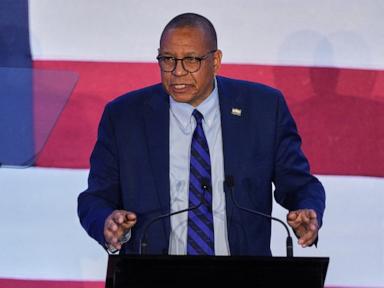
Political scandals within state executive offices rarely emerge from isolated moral failures; rather, they expose systemic vulnerabilities in internal compliance architecture, political vetting protocols, and power concentration. When a high-ranking state official, such as a lieutenant governor, faces acute allegations of sexual harassment and ethics violations that culminate in immediate resignation, the event serves as a diagnostic indicator of institutional decay. This analysis deconstructs the structural mechanics behind executive misconduct, the failure modes of government oversight bodies, and the institutional dynamics that dictate political survival or collapse in public administration.
The Anatomy of Executive Power Concentration
In state-level governance, the dual executive structure often creates an inherent friction point between the governor and the lieutenant governor. Unlike corporate hierarchies where second-in-command executives derive their authority strictly through delegation, elected lieutenant governors possess independent electoral legitimacy while operating within a secondary sphere of operational influence. This structural ambiguity generates three distinct management risks:
- Information Asymmetry: The executive office often lacks direct supervisory channels over the lieutenant governor’s independent staff, creating a blind spot for internal behavioral monitoring.
- Accountability Diffusion: When complaints regarding workplace conduct or ethical breaches arise, institutional ambiguity muddies the chain of escalation. Employees frequently hesitate to report misconduct upward when the accused occupies a constitutional office, fearing retaliation without institutional protection.
- Pugnacious Loyalty Incentives: Political appointees and administrative staff prioritize party preservation and executive cohesion over objective ethics enforcement, leading to delayed escalations.
The resignation of New Jersey’s lieutenant governor highlights how these risk factors compound under pressure. When ethical guardrails rely on informal reporting channels rather than automated compliance triggers, misconduct persists until external exposure forces a catastrophic structural adjustment.
The Cost Function of Ethics Oversight Failures
Public sector compliance mechanisms operate on a fundamentally different incentive structure than private enterprise. In the corporate sphere, reputational damage directly threatens market capitalization, creating an economic imperative for swift internal investigations. In state government, the cost function is dictated by electoral vulnerability, legislative leverage, and public trust erosion.
When ethics complaints are lodged against executive leadership, the administrative response typically follows a predictable decay curve:
- Phase One - Latent Detection: Complaints are received by internal human resources or compliance units. Due to the political sensitivity of the office, these reports are often handled through discretionary, non-transparent channels.
- Phase Two - Information Quarantine: To protect the administration's brand equity, information flow is restricted. The risk of public exposure is weighed against the administrative cost of an immediate independent investigation.
- Phase Three - Systemic Shock: External reporting or formal legal filings bypass internal containment. The cost function spikes vertically, forcing a sudden, non-optimized exit to stanch political bleeding.
This dynamic demonstrates that public sector compliance failures are rarely caused by a lack of rules; they stem from structural disincentives to enforce those rules against politically vital figures.
Systemic Vulnerabilities in Vetting and Behavioral Monitoring
The pathway from appointment or election to executive misconduct points directly to systemic failures in initial candidate vetting and ongoing behavioral monitoring. Traditional political vetting prioritizes legislative record, fundraising capacity, and demographic alignment over psychological risk profiles or past interpersonal conduct.
To transform public administration oversight, governance models must shift from retroactive damage control to proactive risk mitigation. This requires decoupling ethics oversight from political appointees, establishing independent inspector general offices with subpoena power over all executive branches, and mandating anonymous, encrypted whistleblowing pipelines that bypass political leadership entirely.
Strategic Operational Outlook
The immediate departure of a constitutional officer stabilizes short-term political volatility, but it does nothing to correct the underlying systemic vulnerabilities. Without a mandatory overhaul of executive branch human resources protocols and independent ethics enforcement, subsequent administrations will remain exposed to identical behavioral failures.
The structural remedy requires redesigning the internal reporting architecture to ensure that allegations against high-ranking officials trigger mandatory, independent external audits rather than internal political calculations. Until public institutions treat behavioral compliance with the same rigor applied to financial accounting, executive misconduct will remain an inevitable cyclical hazard of political office.


