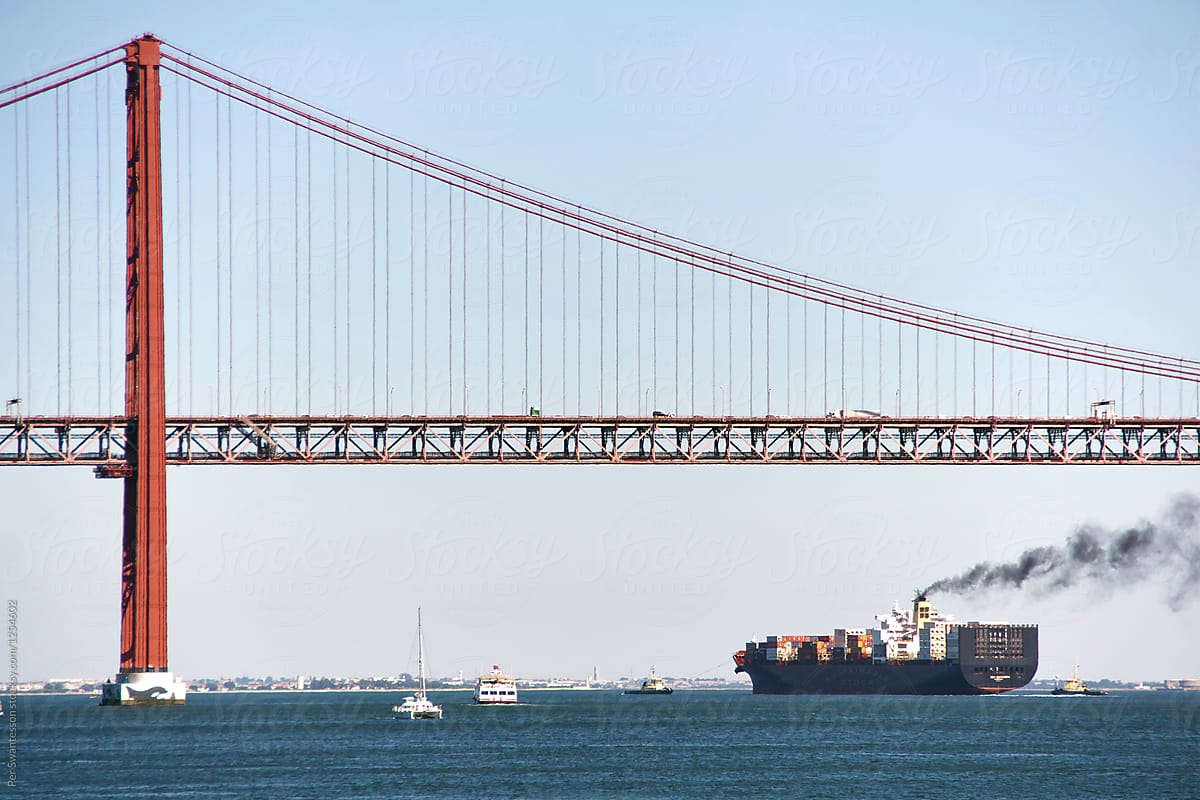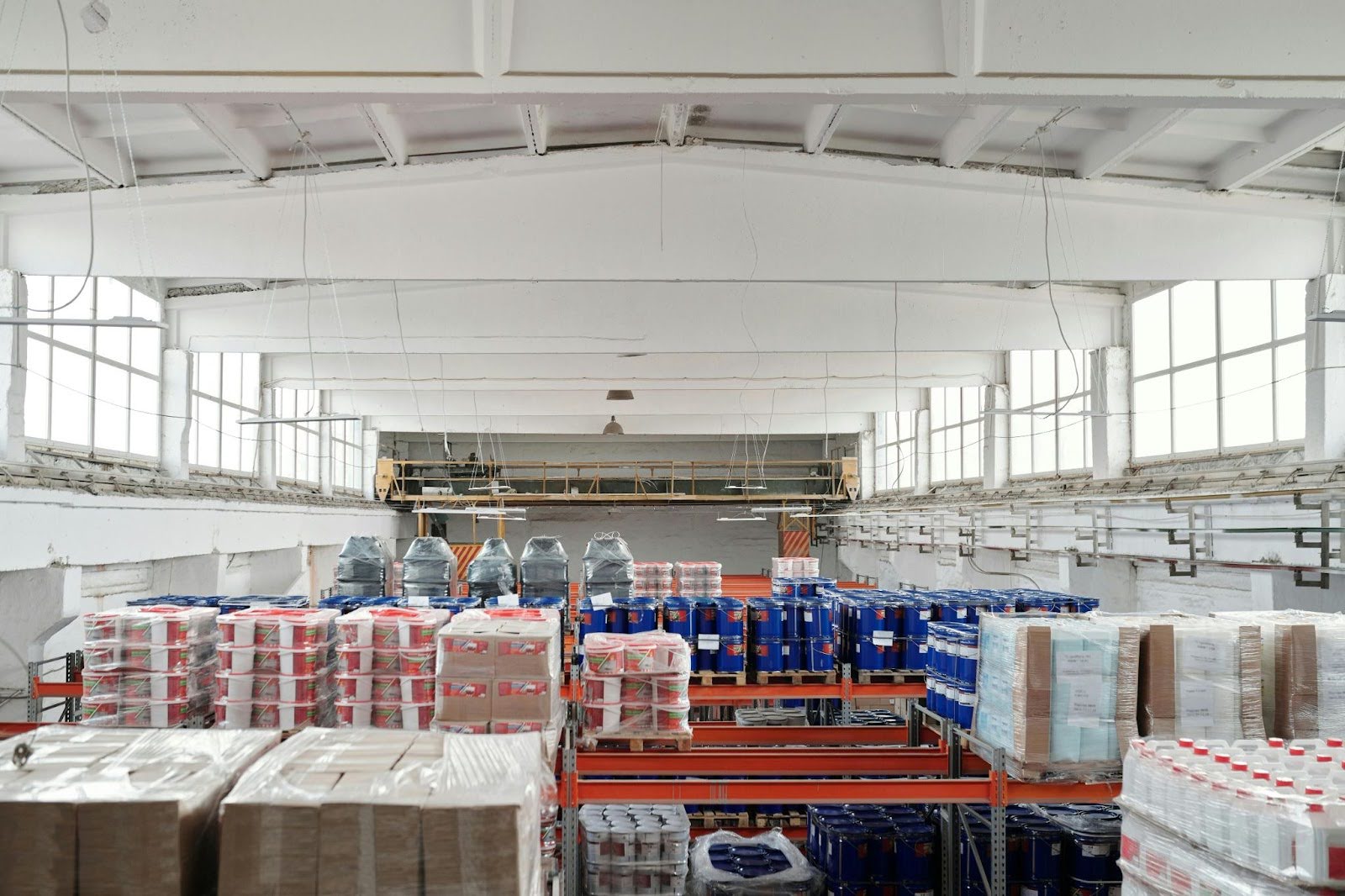
The arrival of the final scheduled tanker of Middle Eastern jet fuel to the United Kingdom marks more than a shift in shipping schedules; it signals the completion of a structural pivot in the British energy supply chain. This transition is not a random fluctuation of market forces but a direct response to the friction between maritime security, carbon mitigation mandates, and the physical constraints of domestic refining capacity. Understanding the implications requires moving beyond the "tanker count" and examining the three-tier framework of fuel security: geographic arbitrage, refining deficits, and the logistics of the Last Mile.
The Triad of Supply Volatility
The UK's reliance on imported aviation turbine fuel (ATK) is a function of a persistent domestic production deficit. British refineries, optimized for historical demand profiles, do not produce enough kerosene-type jet fuel to meet the requirements of a global aviation hub. This necessitates a high-volume import strategy governed by three distinct variables:
- The Geographic Premium: Sourcing fuel from the Middle East (primarily Qatar, Saudi Arabia, and the UAE) involves navigating the Suez Canal and the Red Sea. Recent geopolitical instability in the Bab al-Mandab Strait has introduced a "security tax" in the form of increased insurance premiums and the literal time-cost of rerouting vessels around the Cape of Good Hope.
- Refinery Yield Constraints: Modernizing a refinery to shift yields toward jet fuel requires significant capital expenditure (CAPEX). In a high-interest-rate environment with a regulatory push toward electrification and Sustainable Aviation Fuel (SAF), traditional refinery upgrades face a diminishing internal rate of return (IRR).
- The Inventory Buffer: Unlike automotive gasoline, jet fuel requires stringent purity standards to prevent high-altitude freezing and microbial growth. This limits the duration it can be stored without specialized infrastructure, making the UK sensitive to "just-in-time" delivery failures.
The Logistics of Displacement
When the Middle Eastern supply line constricts or terminates, the volume must be displaced by alternative sources. This is not a 1:1 replacement but a reorganization of the global flow of molecules. The UK is now pivoting toward two primary alternatives, each carrying its own set of trade-offs.
The Transatlantic Bridge
The United States, particularly the Gulf Coast refining complex, represents the most logical alternative. The logistics are simplified—Atlantic crossings avoid the chokepoints of the Middle East—but the economics are dictated by the New York Harbor (NYH) spot price and the strength of the dollar against the pound. The primary risk here is the "weather correlation": a major hurricane in the Gulf of Mexico can simultaneously disrupt US production and UK supply, a vulnerability that was previously hedged by the Middle Eastern connection.
The Asian Long-Haul
Refineries in India and South Korea have surplus capacity and sophisticated processing units. However, the carbon intensity of transporting fuel halfway across the globe creates a paradox for UK airlines. Under the UK's "Jet Zero" strategy, the scope 3 emissions associated with the transport of the fuel itself will eventually come under greater scrutiny. If a tanker travels 12,000 miles to deliver fuel, the "well-to-wing" carbon footprint increases significantly, potentially triggering higher offset costs for carriers.
The Infrastructure Bottleneck: Beyond the Port
The cessation of specific Middle Eastern contracts exposes the fragility of the UK’s internal distribution network. Most jet fuel arrives at major ports like Immingham or the Thames Estuary. From there, it must enter the United Kingdom Oil Pipeline (UKOP) or the CLH Pipeline System.
The system operates on a pressure-driven schedule. Any disruption in the arrival of "base-load" tankers—like the high-capacity vessels typical of Middle Eastern routes—forces the system into a high-frequency, low-volume mode. This increases the operational complexity for terminal managers who must blend various batches of fuel to meet the DEF STAN 91-091 specification. If the incoming fuel from new sources has slightly different chemical signatures (e.g., varying aromatics content), the blending process becomes a bottleneck that can delay the release of fuel to Heathrow or Gatwick.
The Cost Function of Energy Transition
The shift in sourcing is happening in parallel with the mandatory SAF (Sustainable Aviation Fuel) mandate, which requires 10% of aviation fuel to be from sustainable sources by 2030. This creates a "double squeeze" on the economics of aviation:
- Premium for Distance: Non-Middle Eastern fuel, sourced from further or more expensive markets, raises the floor price of kerosene.
- Blending Complexity: Integrating SAF into an increasingly fragmented supply of conventional fuel increases the technical requirements at the "rack" (the point where fuel is loaded into trucks or pipes).
The cost of this transition is rarely absorbed by the fuel suppliers. Instead, it is passed through to the airlines via "into-plane" fees. For low-cost carriers (LCCs) operating on razor-thin margins, a 2-3% increase in the fuel base-rate—driven purely by the change in supply geography—can be the difference between a profitable route and a loss-making one.
Sovereign Risk and the Strategic Reserve
The UK's departure from Middle Eastern jet fuel supply narrows its options during a global energy crisis. While the Middle East is often viewed through the lens of political volatility, its production costs are among the lowest in the world. By shifting toward more expensive refining hubs, the UK is trading "geopolitical risk" for "economic risk."
The Strategic Oil Reserve, managed under the International Energy Agency (IEA) framework, requires the UK to hold stocks equivalent to 90 days of net imports. However, these reserves are often held as crude oil rather than refined jet fuel. In a scenario where maritime routes are blocked and domestic refining cannot keep pace, the physical conversion of crude into jet fuel becomes the critical failure point. The absence of a consistent "heavy" supply from the Middle East may necessitate a re-evaluation of how these reserves are composed.
The Derivative Impact on Air Freight
The discussion frequently centers on passenger travel, but the UK’s high-value export economy relies heavily on "belly cargo"—goods carried in the hold of passenger planes.
- Fuel Surcharges: Logistics firms like DHL, FedEx, and UPS utilize sophisticated fuel surcharge formulas. A shift in the sourcing of UK jet fuel that leads to higher local premiums directly increases the cost of exporting UK-manufactured pharmaceuticals and high-tech components.
- Route Viability: If the fuel cost at London hubs rises relative to Frankfurt or Paris, international cargo carriers may opt to hub-and-spoke through mainland Europe, utilizing the Channel Tunnel for the final leg. This would erode the UK’s status as a primary logistics gateway.
Structural Imperatives for the Next 24 Months
The immediate task for UK energy planners is the "De-risking of the Atlantic Pivot." This requires three specific actions:
- Deep-Water Port Optimization: Enhancing the capacity to receive Very Large Product Carriers (VLPCs) from the US and Asia to achieve economies of scale that offset the longer voyage times.
- Pipeline Synchronicity: Upgrading the sensors and automated blending units within the internal pipeline networks to handle a more diverse range of imported fuel grades without throughput degradation.
- SAF Integration at Source: Rather than blending SAF at the airport, the UK should incentivize "co-processing" at the point of origin. Importing a pre-blended, compliant product reduces the domestic logistical burden.
The end of the Middle Eastern tanker cycle is the definitive conclusion of the post-WWII energy alignment for the UK. The focus now shifts to the efficiency of the Atlantic corridor and the internal resilience of a distribution network that was never designed for a 100% import model. Success will be measured not by the stability of the price, but by the absence of "dry-out" events at major international hubs during peak seasonal demand. The strategic play is no longer about securing the cheapest molecule; it is about securing the most reliable path for that molecule to reach the wing.