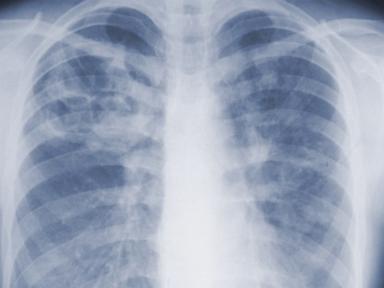
Epidemiological containment and systemic food insecurity operate through a shared transmission channel in eastern Democratic Republic of Congo, where localized disease vectors collide with structural agricultural disruption. When an accelerating pathogen outbreak intersects with a fractured food supply chain, the resulting friction points generate compounding failures. Traditional humanitarian response models typically treat pathogen containment and nutritional security as parallel tracks, yet operational reality dictates that they are fundamentally interdependent variables within the same failing ecosystem. Understanding how an outbreak intensifies regional hunger requires deconstructing the feedback loops connecting population displacement, market cessation, agricultural abandonment, and administrative paralysis.
The Vector of Disruption
The primary mechanism by which an infectious outbreak destabilizes regional nutrition is the immediate suppression of human mobility. In eastern provinces such as North Kivu and Ituri, agricultural productivity relies on intense, seasonal labor inputs across smallholder plots. When a contagion spreads, public health interventions mandate movement restrictions, isolation protocols, and community quarantines. While necessary for interrupting transmission chains, these measures abruptly halt the daily labor migration required to plant, tend, and harvest staple crops like cassava, maize, and beans.
This operational freeze creates an immediate supply shock. Farmers unable to access fields during critical windows watch crop yields collapse. The economic loss is rarely localized; rural households dependent on surplus sales lose purchasing power, cutting them off from secondary markets. At the same time, transport operators suspend routes into outbreak zones out of contagion fear or official quarantine enforcement. Logistics corridors contract, leaving harvested goods to rot at farm gates while urban centers face severe inventory deficits.
Urban populations dependent on these rural supply lines experience immediate price volatility. Basic caloric costs escalate beyond the purchasing capacity of informal laborers and displaced persons living in camp settings. The systemic failure is not an absolute scarcity of arable land, but a catastrophic friction in the supply chain velocity that moves food from soil to market.
The Feedback Loop of Food Insecurity and Vulnerability
Malnutrition and infectious disease maintain a well-documented physiological synergy. Protein-energy malnutrition impairs immune function, increasing host susceptibility to pathogen acquisition and accelerating disease severity. Conversely, systemic infections induce hyper-metabolic states, nutrient malabsorption, and acute muscle wasting, pushing marginal individuals across the threshold into severe acute malnutrition.
In the operational theatre of eastern Congo, this biological feedback loop manifests at scale. As food insecurity deepens, coping strategies deployed by households directly undermine public health compliance:
- Market Foraging: Households abandon shelter-in-place recommendations to scavenge for daily sustenance, increasing physical contact rates and exposing uninfected individuals to viral vectors.
- Border Transgressions: Rural populations cross informal administrative boundaries to find arable land or food aid, evading contact-tracing registries and rendering epidemiological surveillance maps obsolete.
- Resource Dilution: Families facing acute hunger consume seed stocks intended for the next agricultural cycle, guaranteeing medium-term nutritional failure to stave off immediate starvation.
These behavioral adaptations are rational responses to systemic pressure, yet they systematically defeat disease containment protocols. Epidemiologists tracking viral transmission chains frequently encounter missing links because infected individuals are too mobile in their pursuit of food to remain isolated, transforming hunger into an accelerant for viral dissemination.
The Institutional Bottleneck Matrix
Response architectures deployed by international agencies and local ministries often exacerbate the crisis through structural fragmentation. Funding streams for health emergencies arrive via vertical silos, restricted strictly to disease surveillance, cold-chain management, and treatment center operations. Concurrently, food security interventions operate through separate pipelines managed by different agencies with distinct procurement timelines and logistical criteria.
This separation produces critical execution failures on the ground:
- Logistical Competition: Health logistics teams and food aid distribution networks compete for the same scarce transport assets, secure fuel supplies, and military escorts in high-threat environments.
- Data Blindness: Health surveillance metrics rarely integrate nutritional screening data, preventing early-warning indicators from signaling where an outbreak will trigger localized famine conditions weeks in advance.
- Community Mistrust: Populations subjected to stringent epidemiological controls while experiencing acute food shortages perceive public health interventions as coercive rather than protective, driving community resistance and clandestine burials.
Overcoming these structural friction points requires moving away from emergency response silos. Integrated deployment units must couple nutritional distribution directly with health screening posts. Every point of contact established for vaccination, triage, or observation must simultaneously serve as a distribution node for caloric supplementation and therapeutic feeding inputs.
Stabilizing the region demands recognizing that public health security and agricultural continuity cannot be decoupled. Until logistical frameworks treat the movement of farming inputs and nutritional relief with the same urgency as medical countermeasures, containment efforts will remain trapped in a reactive cycle, perpetually outpaced by the systemic hunger they inadvertently aggravate.