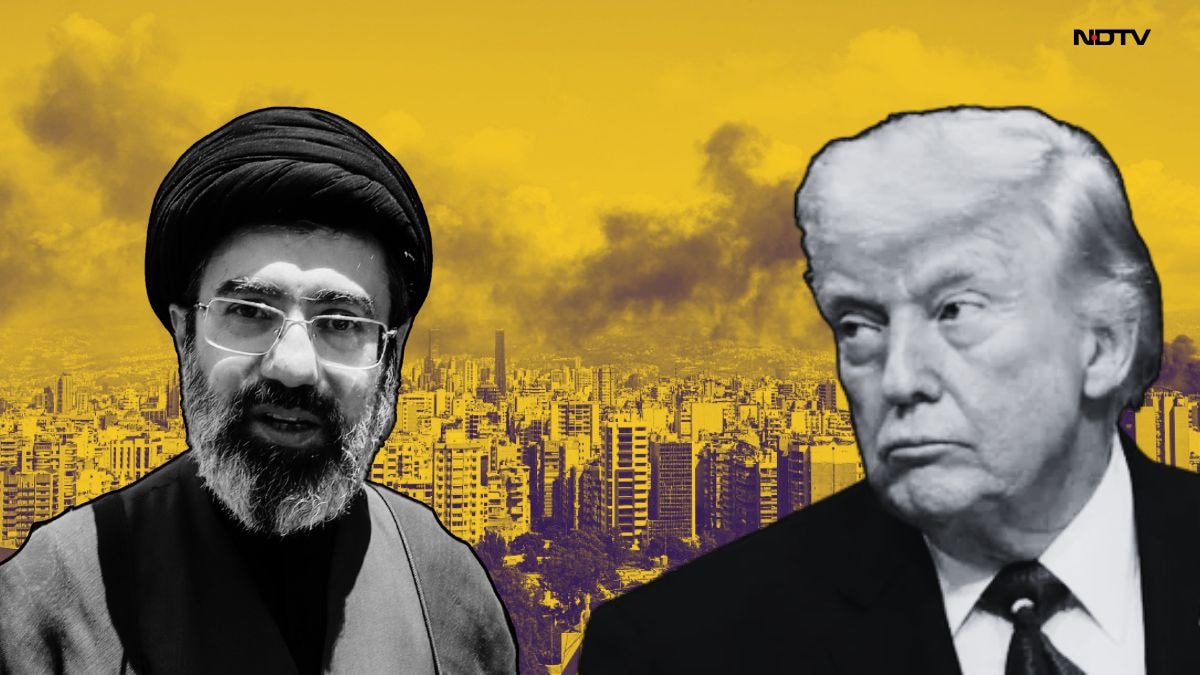
The Iranian government's current refusal to compromise on specific U.S. proposals represents a calculated application of the Sunk Cost Fallacy in Geopolitics combined with a high-stakes War of Attrition model. While mainstream reporting focuses on the rhetoric of "no compromise," a structural analysis reveals that Tehran is managing a complex trade-off between domestic legitimacy, regional deterrence, and the necessity of lifting secondary sanctions that continue to throttle its capital account.
[Image of Iranian nuclear facility map]
The Three Pillars of Iranian Negotiating Leverage
The Iranian strategy rests on three distinct pillars of influence that dictate their response to any U.S. proposal. If any of these pillars weaken, the "no compromise" stance becomes untenable.
- Breakout Capability as a Depreciating Asset: Iran understands that its stockpile of 60% enriched uranium is its primary bargaining chip. However, this asset has a shelf life. As technical milestones are reached, the marginal utility of further enrichment decreases relative to the risk of triggering a kinetic response from Israel or the United States.
- The Domestic Hardline Mandate: The current administration in Tehran must satisfy a conservative base that views any concession as a betrayal of revolutionary principles. The "will not compromise" narrative serves as a vital internal signaling mechanism to prevent power fragmentation within the Islamic Revolutionary Guard Corps (IRGC).
- Sanctions Circumvention Maturation: Iran has developed a sophisticated "resistance economy" characterized by grey-market oil sales to China and a network of front companies in the UAE and Turkey. This reduces the immediate pressure to accept sub-optimal deals, extending their temporal horizon in negotiations.
The Cost Function of U.S. Proposals
U.S. proposals are evaluated by Tehran through a specific cost function that weighs the present value of sanctions relief against the permanent loss of sovereign technical capabilities. The central friction point lies in the Verification-Implementation Gap.
Tehran’s insistence on "guarantees" is not merely rhetorical; it is a response to the structural volatility of U.S. foreign policy. From a game-theory perspective, Iran faces a Dynamic Inconsistency Problem: they are asked to make permanent physical changes to their nuclear infrastructure (which are difficult to reverse) in exchange for policy shifts (sanctions waivers) that can be revoked by a subsequent U.S. administration with a stroke of a pen.
The second friction point is the Breadth of Compliance. Recent proposals often link nuclear concessions to regional ballistic missile activity and proxy influence. For Iran, these are non-fungible assets. Their ballistic program is a conventional deterrent necessitated by the lack of a modern air force. Categorizing these as "nuclear-adjacent" in U.S. proposals creates a logical impasse where Iran is asked to trade its primary defense mechanism for temporary economic breathing room.
Strategic Bottlenecks in the "Step-by-Step" Framework
The U.S. often favors a "less-for-less" or "step-by-step" approach to build trust. However, this framework contains inherent flaws that Iran is currently exploiting.
- The Sequencing Trap: If the U.S. demands enrichment suspension before lifting oil sanctions, Iran loses its only leverage before receiving a single dollar of benefit.
- The Valuation of "Non-Nuclear" Sanctions: Many of the most restrictive sanctions are tied to terrorism or human rights designations. If the U.S. offers to lift nuclear sanctions while keeping terrorism designations in place, the practical effect on Iran’s ability to use the SWIFT banking system is negligible.
Tehran’s current review of new proposals suggests they are looking for a Single-Tranche Execution—a scenario where the verification of nuclear rollback and the restoration of banking access happen near-simultaneously. Anything less is viewed as a strategic trap designed to freeze their technical progress while maintaining economic pressure.
The Regional Deterrence Equation
Iran’s "no compromise" stance is inseparable from the broader Middle Eastern security architecture. The recent rapprochement with Saudi Arabia and fluctuating relations with other GCC states have provided Iran with a buffer. If Iran can normalize regional trade independently of a U.S. deal, the efficacy of U.S. "maximum pressure" drops significantly.
This creates a Bifurcated Economic Path:
- Path A: Full reintegration into Western markets via a comprehensive nuclear deal. This offers high growth but comes with high intrusive monitoring and loss of "Revolutionary" autonomy.
- Path B: The "Look East" strategy. By aligning more closely with the BRICS+ framework and the Shanghai Cooperation Organization (SCO), Iran seeks a floor for its economic decline that does not require total nuclear capitulation.
The current rhetoric signals that Tehran believes Path B is sufficiently viable to reject any Path A proposal that includes "poison pill" clauses regarding their regional proxy network or missile development.
Probability of Escaltion vs. Diplomatic Freeze
We must distinguish between a tactical pause and a total collapse of diplomacy. The current "review" process is likely an attempt to gauge the Political Risk Premium of the U.S. election cycle. Iran is wary of entering a deal that could be invalidated within months. This leads to a strategy of Calculated Procrastination.
The risk of this strategy is the "Red Line" paradox. As Iran moves closer to 90% enrichment (weapons-grade), the likelihood of a military intervention increases non-linearly. Tehran’s challenge is to maintain the "will not compromise" posture to extract better terms without inadvertently crossing the threshold that triggers a regional war.
The structural reality is that neither side currently possesses the leverage required to force a total capitulation. The U.S. cannot stop Iranian enrichment without war; Iran cannot achieve its desired GDP growth without U.S. sanctions relief. This creates a Stalemate Equilibrium where the most likely outcome is not a new treaty, but a series of unwritten, informal "understandings" designed to prevent escalation while maintaining the status quo.
Investors and geopolitical analysts should monitor the Brent Crude / Iranian Export Delta. If Iran’s unofficial exports continue to rise despite sanctions, their incentive to compromise on nuclear terms will reach a historic low. Conversely, if China reduces its appetite for "Teapot" refinery imports from Iran, the "no compromise" stance will likely shift toward "pragmatic flexibility" within a 12-month window.
The strategic play is to ignore the inflammatory rhetoric of "compromise" and focus on the Transactional Velocity of Iranian oil. That data point, more than any official statement, dictates the boundaries of what is negotiable. If the capital inflow from the East remains steady, expect the current diplomatic freeze to harden into a permanent regional realignment.