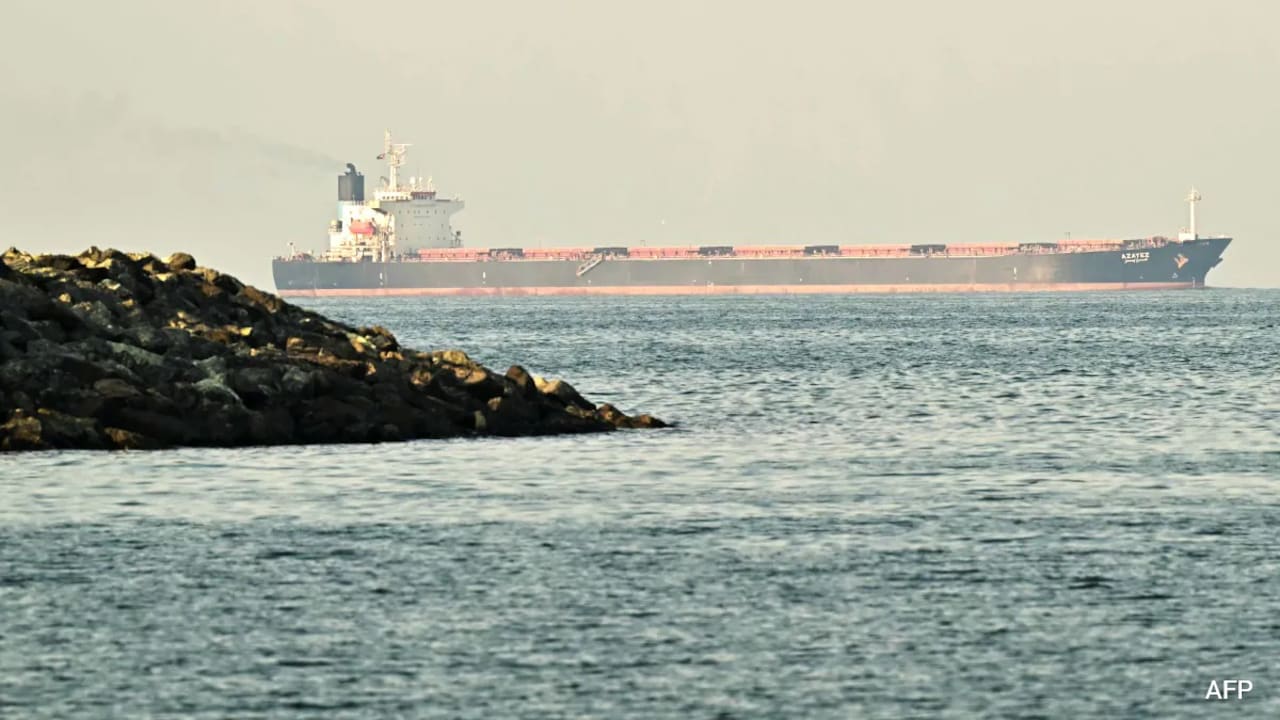
Global oil markets function under a persistent structural fiction: that supply curves accurately reflect accessible barrels. When geopolitical chokepoints face friction, standard economic models predict immediate price shocks. Yet, benchmark prices frequently detach from real-world disruptions. This disconnect is maintained by maritime shadow networks operating through the Strait of Hormuz. These unflagged, clandestine carriers bypass international sanctions to move heavily discounted crude to non-compliant refineries, neutralizing traditional pricing pressures that should otherwise manifest at the pump.
Understanding this mechanism requires discarding casual assumptions about black-market oil transport. Illicit maritime logistics do not simply represent random deviations from international trade law. They constitute a highly structured shadow economy with distinct operational overheads, risk-adjusted margins, and structural limitations. For another look, read: this related article.
The Anatomy of Maritime Evasion
The mechanics of shadow trade rely on three distinct operational layers: transponder manipulation, ownership obfuscation, and ship-to-ship transfer networks. Each layer introduces friction, yet collectively they permit the continuous flow of millions of barrels of sanctioned crude past naval patrols and monitoring systems.
Transponder Manipulation and AIS Dark Activity
Commercial vessels rely on the Automatic Identification System for safety, collision avoidance, and regulatory tracking. Shadow tankers routinely disable these transponders or spoof their positioning data. This practice, known as going dark, creates spatial uncertainty in the Persian Gulf. By broadcasting false Maritime Mobile Service Identity numbers or mimicking the trajectories of legal coastal traffic, operators obscure the origin, destination, and volume of hydrocarbons loaded at terminals like Kharg Island. Related coverage on this trend has been provided by Business Insider.
The economic consequence of this practice is market opacity. Without reliable real-time tracking, forecasting models cannot accurately compute actual inventory outflows. Traders operate with degraded visibility, which prevents panic-driven pricing spikes. When physical barrels move undetected, speculative futures markets price in lower scarcity than what official geopolitical risk assessments dictate.
Flag Hopping and Corporate Shells
Ownership structures for these vessels shift with rapid frequency. A tanker targeted by maritime authorities changes its flag state within hours, cycling through registries with lax enforcement, such as Gabon, Cameroon, or Palau. Corporate management is masked behind layers of single-ship shell companies registered in offshore jurisdictions with minimal corporate transparency.
This administrative churn imposes severe transaction costs on enforcement agencies. By the time a legal investigation identifies the beneficial owner of a vessel carrying sanctioned petroleum, the corporate entity has dissolved, and the ship operates under a new name and flag. This regulatory lag ensures that the supply chain remains uninterrupted while diplomatic notes circulate without practical effect.
Ship-to-Ship Transfers in Protected Waters
Navigating international waters while carrying sanctioned cargo presents boarding risks. To minimize exposure, operators utilize ship-to-ship transfers in sheltered zones outside direct territorial jurisdiction, such as the Gulf of Oman or specific lee shores near the Arabian Sea. Smaller feeder vessels load crude from aging Very Large Crude Carriers in open water, mixing the product with other regional grades to obscure its isotopic fingerprint.
Once commingled, the crude loses its specific national origin marker, transforming into generic feedstock accepted by refineries in sovereign states that do not recognize unilateral sanctions. This transfer dynamic expands the effective throughput of the Strait of Hormuz without registering on major port authority records.
The Cost Function of the Shadow Fleet
Moving oil through illicit channels is not free; it operates under a specialized economic penalty structure. Standard shipping involves low insurance premiums, modern tonnage, and standardized compliance costs. The shadow fleet inverts these variables, creating a unique cost function that directly influences global price ceilings.
Capital Depreciation and Aging Tonnage
The average age of vessels operating within clandestine networks exceeds twenty years. Under normal market conditions, these vessels would face mandatory retirement and scrapping due to maintenance costs and tightening environmental regulations. Instead, they find a lucrative second life in sanctioned trades.
Because these hulls have already amortized their initial capital expenditure, owners can absorb the risk of total loss or asset seizure. However, maintenance is deferred, and safety protocols are minimized. The operational risk shifts from financial viability to environmental catastrophe, a cost externalized onto littoral states along the transit corridor.
Insurance Premiums and Maritime Risk Spreads
Standard protection and indemnity clubs refuse coverage for vessels violating international trade restrictions. Consequently, shadow operators rely on alternative, opaque insurance pools backed by state-sponsored guarantees or undercapitalized offshore entities.
The risk premium associated with uninsured or under-insured transit is substantial. Operators price this risk directly into the landed cost of the crude. Refineries purchasing this petroleum negotiate deep discounts relative to Brent or West Texas Intermediate benchmarks, often capturing barrels at twenty to thirty percent below market value.
The Arbitrage Spread
This discount creates a powerful economic incentive for end-users to continue processing sanctioned hydrocarbons. The wider the spread between official market benchmarks and shadow-delivered crude, the greater the profit margin for refineries willing to absorb the legal and operational hazards. This arbitrage acts as a shock absorber for global manufacturing costs. By injecting cheap feedstock into major refining hubs, shadow barrels effectively subsidize global energy supply, keeping headline inflation figures lower than structural supply deficits warrant.
Systemic Vulnerabilities and Supply Bottlenecks
While shadow tankers successfully blunt price volatility, the system contains inherent fragility points. These vulnerabilities limit the scalability of clandestine shipping and expose the limits of this underground trade.
Port Reception Capacity and Bottlenecks
Moving crude from a clandestine tanker to a refinery requires specialized deep-water port infrastructure capable of handling large cargo volumes without triggering international maritime inspections. Major destination ports have finite capacity to process unverified shipments. When inspection scrutiny increases at critical chokepoints, waiting times rise, tying up physical tonnage and reducing the velocity of the shadow fleet.
Financing Friction
Settling transactions outside the SWIFT banking network requires alternative monetary channels, including bilateral currency swaps, digital assets, or cash-equivalent commodity bartering. These payment mechanisms introduce friction and counterparty risk. When financial intermediaries face secondary sanctions from enforcement authorities, transaction velocity drops, temporarily choking the flow of capital required to sustain maritime operations.
Environmental Enforcement Pressures
The concentration of aging, uninspected tankers in narrow shipping lanes elevates the probability of mechanical failure and structural compromise. An environmental disaster involving a shadow tanker in congested waters triggers immediate emergency responses from regional coast guards. Such an event forces temporary traffic separations, increases boarding inspections, and compresses the operational margin of the entire network.
Strategic Outlook
The presence of shadow tankers in the Strait of Hormuz alters the transmission mechanism of geopolitical shocks into commodity prices. By converting restricted supply into liquid, discounted feedstock, these clandestine networks decouple physical supply interruptions from visible market pricing.
This dynamic establishes a permanent structural baseline for global energy markets. As long as the arbitrage spread between benchmark prices and discounted shadow crude remains wide enough to offset operational penalties, maritime evasion will continue to function as a hidden regulator of global commodity costs. Traditional economic forecasting must account for these unrecorded volumes, as standard metrics based solely on compliant shipping registries fail to capture the true volume of energy clearing international markets.