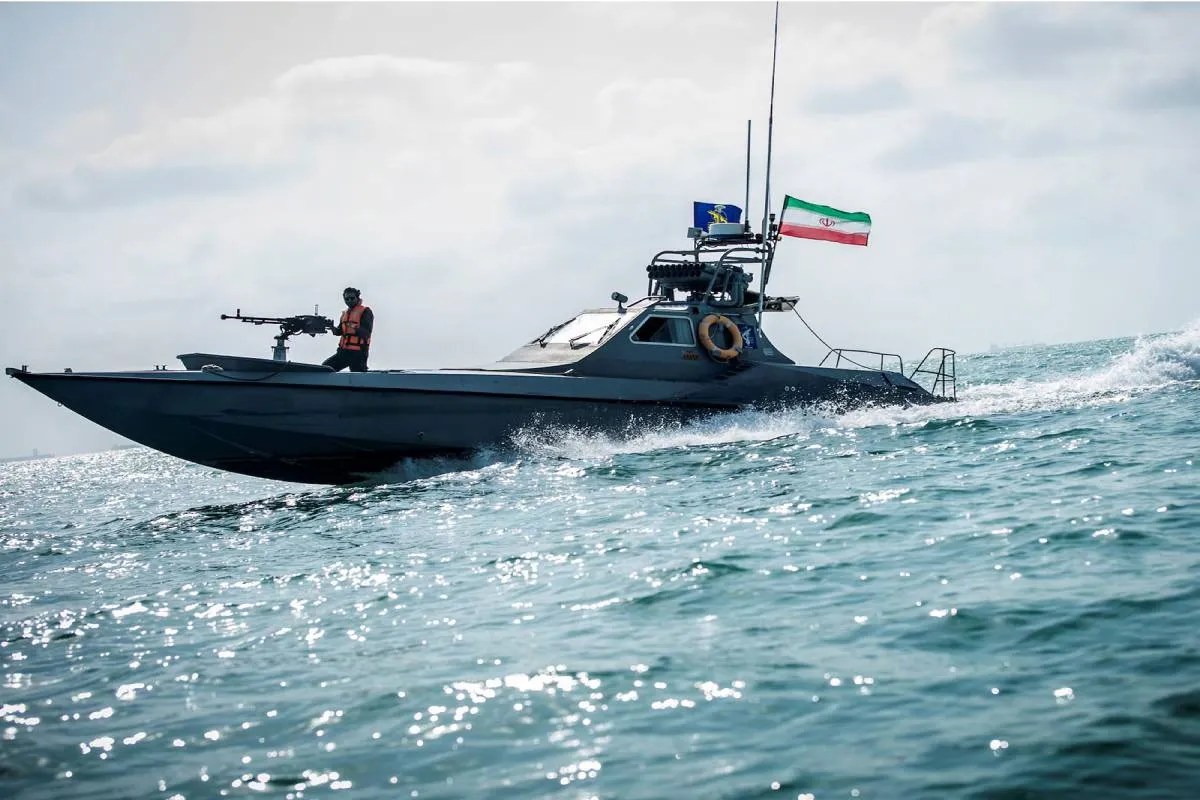
Maritime commerce operating through the Strait of Hormuz faces a structural escalation in kinetic risk following an explosion near a commercial vessel off the coast of Oman, as reported by the United Kingdom Maritime Trade Operations. This event is not an isolated tactical anomaly. Instead, it reflects an ongoing degradation of regional security architecture that directly threatens global energy supply chains. Analyzing this disruption requires moving past fragmented incident reporting to examine the underlying mechanisms driving maritime vulnerabilities in the Persian Gulf and the Gulf of Oman.
The Structural Vulnerability of the Hormuz Transit Corridor
The Strait of Hormuz represents a critical geographical bottleneck for international trade. Measuring roughly 21 nautical miles wide at its narrowest point, the inbound and outbound shipping lanes are separated by a two-mile buffer zone. This physical restriction forces high-capacity energy transport vectors into tightly predictable corridors.
When regional stability deteriorates, this geography transforms from an efficient trade artery into a high-exposure zone. Commercial crude carriers and liquefied natural gas tankers cannot easily reroute. Alternative pipeline infrastructure exists within the region, such as the Habshan-Fujairah pipeline in the United Arab Emirates and the East-West pipeline in Saudi Arabia, but these land-based conduits lack the total throughput capacity required to offset a full maritime closure or severe transit friction.
[Persian Gulf] ---> (21-mile Strait of Hormuz Bottleneck) ---> [Gulf of Oman / Arabian Sea]
                             |
                     [UKMTO Alert Zone]
                             |
                   [Commercial Tanker Exposure]
Market pricing mechanisms immediately factor these geographic constraints into risk premiums. Marine insurance underwriters adjust war-risk insurance rates based on proximity to active threat vectors off the Omani and Iranian coasts. A single detonation near a commercial asset triggers upward revisions in hull and machinery protection costs across the entire international fleet operating in the sector.
The Transmission Mechanism of Kinetic Disruptions
Evaluating maritime security incidents requires dissecting the chain of effects generated by asymmetric threats. The Omani coast incident highlights several distinct vectors of impact:
- Operational Velocity Reduction: Vessel operators respond to proximity alerts from agencies like the UKMTO by adopting defensive postures, slowing down, altering drift patterns, or temporarily halting transit until security assessments clear.
- Crew Behavioral Adaptation: Heightened threat perception alters bridge management protocols. Masters increase electronic surveillance, restrict non-essential deck operations, and test emergency response readiness, which introduces friction into standard turnaround times.
- Asset Valuation Shock: The physical integrity of single-hull and double-hull carriers becomes secondary to the immediate insurance liability. Insurers may issue exclusion zones or demand prohibitive premiums, altering voyage economics overnight.
The absence of a confirmed state-sponsored attribution immediately following an explosion complicates legal and commercial responses. Charterers, shipowners, and cargo interests operate in an information vacuum where the threat is persistent, diffuse, and difficult to hedge against using conventional risk management tools.
The Economic Cost Function of Regional Insecurity
The economic toll of persistent disruptions in the Gulf of Oman extends far beyond the immediate repair costs of a damaged hull. The cost function is defined by three primary variables: transport delay, insurance escalation, and alternative routing deficits.
When transit times lengthen due to precautionary routing or convoy structuring, the effective supply of global tanker tonnage decreases. Ships tied up in extended transit windows or delayed by security clearances cannot complete subsequent charter cycles. This reduction in effective supply exerts upward pressure on global freight rates.
Insurance markets operate on probability and severity models. As the frequency of unexplained explosions, boarding attempts, or drone sightings near the Omani coast increases, underwriters reclassify the zone from a standard operating environment to a high-risk area. The resulting surge in daily war-risk premiums adds millions of dollars to individual voyage operating expenditures. Energy importers absorb these costs, creating an indirect inflationary impulse across downstream manufacturing and consumer sectors that rely on Middle Eastern hydrocarbons.
Strategic Operational Mitigation for Fleet Operators
Managing exposure in contested maritime zones requires transitioning from reactive compliance to proactive threat modeling. Fleet managers operating vessels through the approaches to the Strait of Hormuz must implement a rigorous operational framework:
- Dynamic Electronic Signature Management: Crews must continuously monitor Automatic Identification System integrity while balancing international safety reporting requirements against the risk of malicious tracking by state or non-state actors.
- Hardened Vulnerability Assessments: Engineering teams should review physical security measures, including citadel readiness, fire suppression integrity along the waterline, and emergency steering capabilities.
- Real-Time Intelligence Integration: Reliance on delayed public notices is insufficient. Operators must integrate direct feeds from naval advisory groups, commercial security intelligence providers, and coastal monitoring networks to build localized threat trajectories before entering the Gulf of Oman.
Establish redundant communication channels and pre-plan safe harbor anchorages along the Omani coastline outside immediate conflict zones to ensure immediate refuge options exist if an alert status shifts from informational to active threat mitigation.


