Every time a river surges or a mountain ridge collapses in the Himalayas, the international aid machinery spins into motion with predictable vanity. Op-eds flow like monsoon runoff, detailing the tear-jerking resilience of villagers, the heartbreak of children, and the sacred bond of global solidarity. Relief workers publish diary entries begging for donations, while Western politicians and pundits posture over whether a multi-million-dollar check is large enough to salve their collective conscience.
It is a comforting, self-congratulatory narrative. It is also entirely wrong.
The lazy consensus of the humanitarian complex assumes that disaster zones are blank slates waiting passively for external benevolence. It treats complex sovereign economies like broken charity cases, flooding regions with foreign supplies, administrative bloat, and redundant non-governmental organizations. This approach does not heal disaster zones. It distorts local markets, disincentivizes domestic infrastructure investment, and keeps communities dependent on fickle geopolitical winds.
If we genuinely care about long-term stability in regions prone to natural catastrophes, we need to stop romanticizing international relief diaries and confront the structural market failures hiding behind every humanitarian photo-op.
The Myth of the Passive Victim
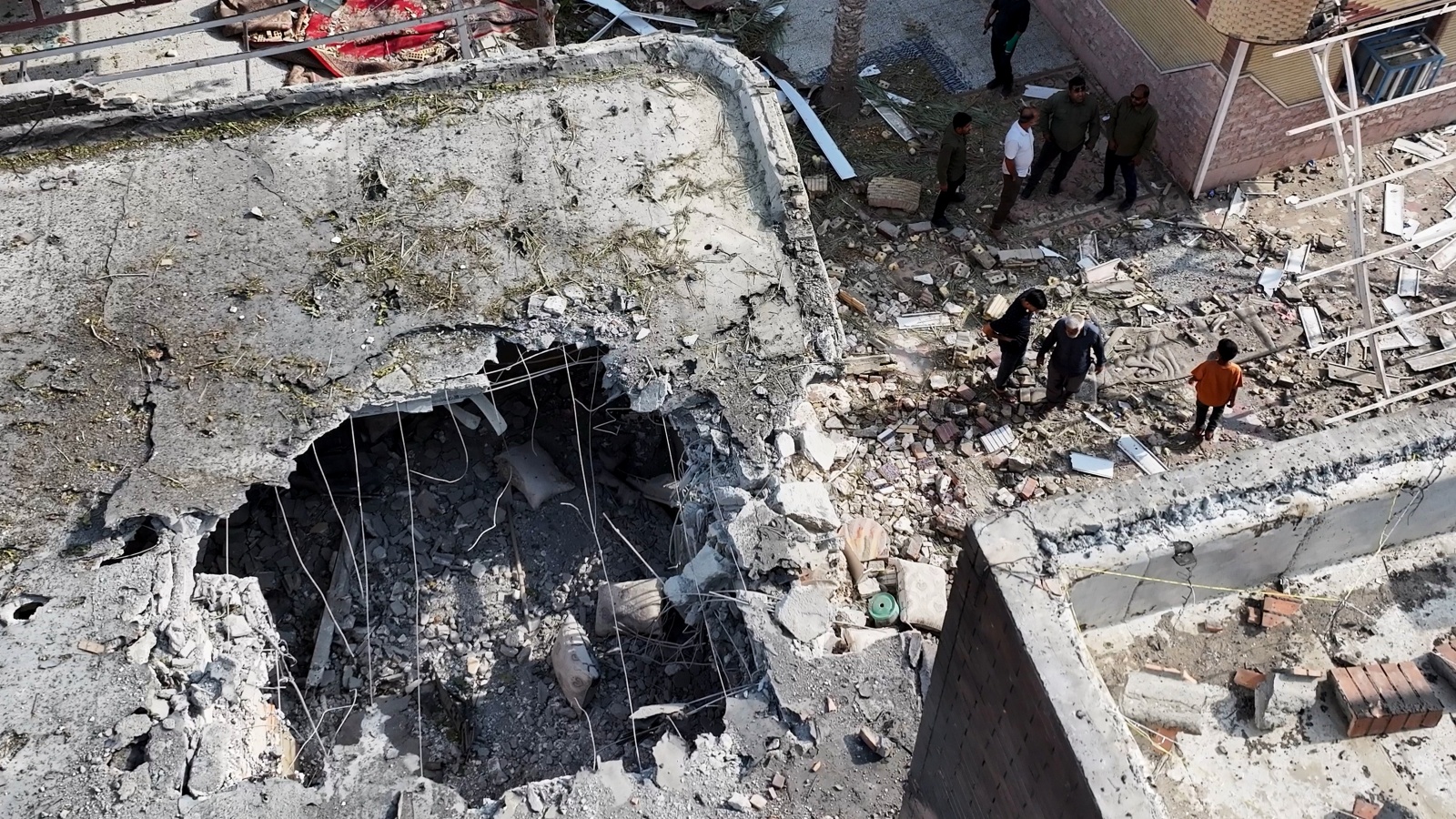
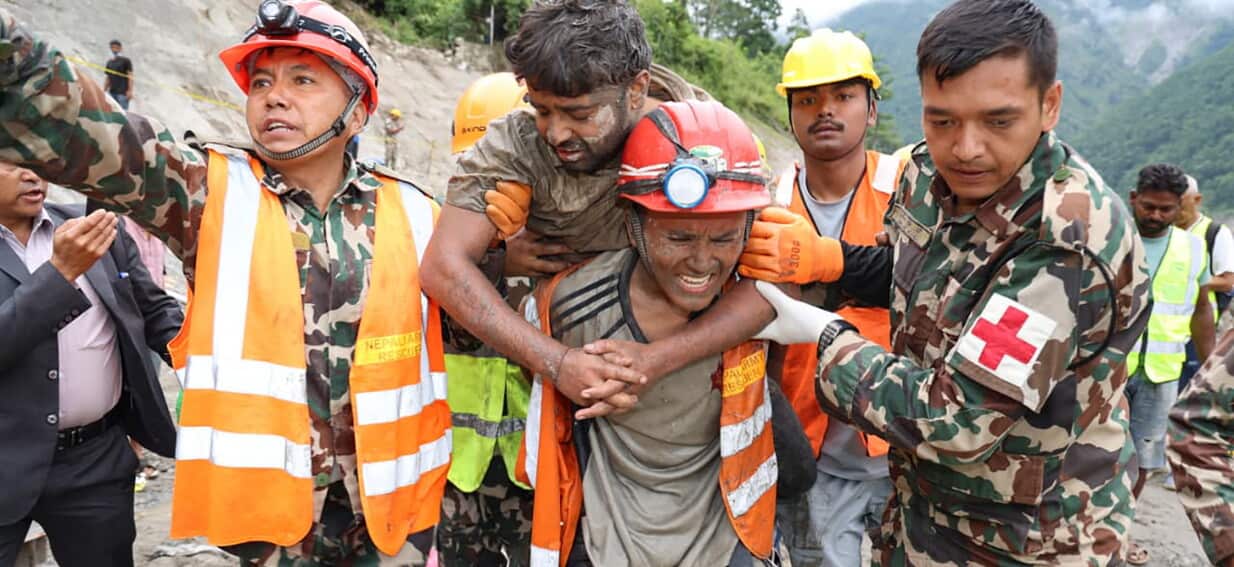
The standard narrative frames disaster survivors as helpless symbols of tragedy. They are photographed standing in mud, staring blankly, waiting for airdrops or foreign aid workers to hand out plastic sheeting.
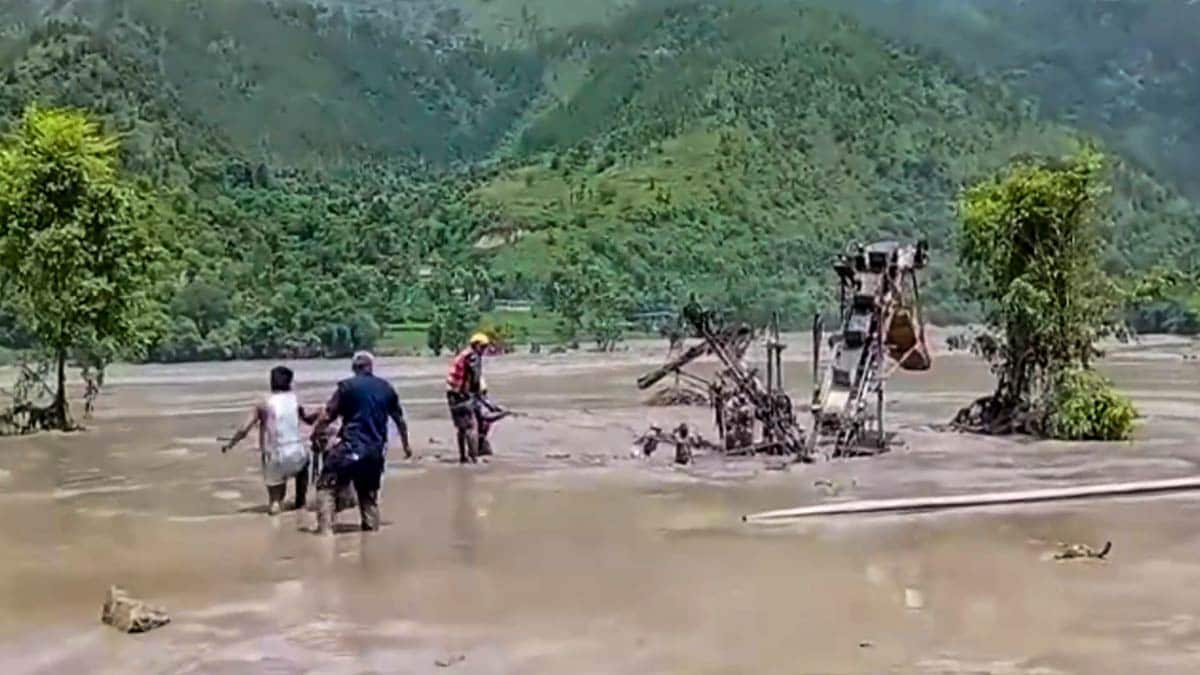
This trope ignores how local commerce actually operates within hours of a crisis. Long before a UN convoy or an international NGO logistics coordinator navigates a mountain pass, local micro-entrepreneurs, informal credit networks, and regional traders are already moving goods. Private transport operators pivot to alternative routes. Local hardware vendors restock timber and corrugated iron.
When international agencies drop free tarps, blankets, and food rations indiscriminately into a functioning or recovering regional market, they crush the local merchants who survived the flood. Why would a villager buy grain from a local shopkeeper when foreign aid workers are handing it out for free on the next corner? You save a household for a week while bankrupting the local grocer, supplier, and transporter who form the permanent backbone of the regional economy.
The Administrative Black Hole
Consider where humanitarian funds actually go. When massive appeals are launched, a staggering percentage of every dollar raised vanishes into the administrative overhead of Western-led organizations. High-altitude logistics are expensive, yes, but the layers of bureaucracy, international coordination meetings, security consultants, and public relations campaigns consume resources that should be moving physical assets.
Imagine a scenario where every foreign government pledging emergency millions instead handed direct, unconditional cash transfers to local cooperative banks or digital wallets already operating inside the affected nation.
Cash is lighter than cargo planes. It incurs zero warehousing costs. Crucially, it respects the autonomy of the recipient, allowing them to purchase what they actually need—whether that is seed stock, livestock feed, or tin sheets—rather than what a distant procurement officer decided to bulk-buy at a discount. Yet traditional aid agencies resist cash-first models because direct transfers do not feature their logo on a shipping crate.
Sovereignty and the Geopolitical Turf War
The humanitarian circuit loves to turn local suffering into a referendum on Western generosity or the lack thereof. When major Western powers scale back foreign assistance budgets, institutional hand-wringing follows about who is leading the geopolitical vacuum. Pundits lament whether neighboring regional heavyweights will step in to capture diplomatic influence.
This frame reduces a sovereign nation's climate vulnerability to a chessboard for foreign influence. Local governments are caught in a double bind: they must tolerate heavy-handed international oversight to secure funds, while simultaneously navigating a maze of bureaucratic conditionalities imposed by donors who view local administration through a lens of inherent corruption or incompetence.
The friction between national sovereignty and donor conditionality creates paralyzing delays. Reconstruction funds sit locked in escrow accounts while bureaucrats debate procurement compliance, leaving families sleeping under plastic sheets through freezing seasonal shifts.
The Uncomfortable Reality of the Contrarian Fix
Admitting that traditional foreign aid often does more harm than good invites immediate pushback. Critics will argue that without international intervention, the poorest of the poor will simply starve or freeze.
That argument relies on a false dichotomy. Rejecting the current model of top-heavy, mediagenic emergency relief does not mean abandoning populations to their fate. It means shifting from charity to structural market insurance.
Instead of scrambling every monsoon season to ship blankets after the bridge washes away, the global community should be capitalizing mandatory risk-pooling mechanisms, investing directly in local municipal bond markets for resilient civil engineering, and establishing automated, shock-responsive social safety nets that the host country manages directly.
Stop funding the diary entries. Stop measuring compassion by the volume of cargo planes dispatched. Let local markets trade, fund structural hardening before the rivers rise, and get out of the way.