For months, foreign policy pundits have wrung their hands over Caracas. They publish breathless editorials lamenting that the post-Maduro political transition in Venezuela is falling short of Western expectations. They look at interim arrangements, institutional continuity, and pragmatic energy pacts with Washington and cry foul, claiming that true democratic renewal has been sidelined by raw resource extraction.
This is lazy analysis wrapped in moral panic.
The underlying premise of these critiques is that geopolitics operates like a liberal arts seminar, where history resets the moment a dictator leaves office and a pristine, European-style democracy emerges from the ashes. That view is dangerously naive. Venezuela does not suffer from a lack of democratic idealism. It suffers from structural collapse, shattered infrastructure, and the hard arithmetic of oil extraction.
If you expected a sudden, Hollywood-scripted coronation of a human rights activist waving a constitution in front of cheering crowds, you were paying attention to the wrong movie. What is happening in Caracas right now is not a failed democratic transition. It is a ruthless exercise in state survival, transactional pragmatism, and energy realism. And frankly, it is the only path that stops the country from imploding entirely.
The Myth of the Clean Slate
Every armchair strategist loves to talk about breaking completely with the past. They demand immediate, unconditional purges of anyone who touched the previous administration, insisting that true reform requires a total scrubbing of the state apparatus.
I have watched corporate executives and sovereign restructuring teams blow millions of dollars chasing this exact fantasy in emerging markets across the globe. They arrive with pristine spreadsheets, demanding total institutional resets in environments where the electricity grid barely holds together and armed gangs control municipal transit.
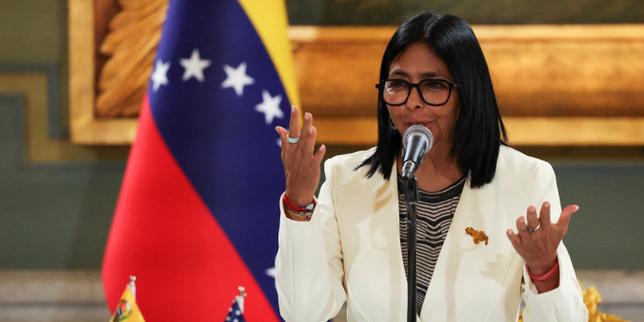
In Venezuela, the insistence on a storybook democratic restart ignores physical reality. Delcy Rodríguez and the administrative machinery currently steering the interim phase are not aberrations to be excised; they are the administrative core that actually knows how to keep the valves open and the state functioning. When you manage sixty-five billion barrels of proven crude reserves sitting in cracked, neglected basins, ideological purity is a luxury that kills people.
To expect a completely unblemished cabinet of democratic purists to take over overnight is to misunderstand how heavy sour crude moves through upgrading facilities. Refineries on the United States Gulf Coast do not care about ballot box aesthetics. They need heavy feedstocks, predictable shipping schedules, and legal contracting mechanisms that survive political turbulence.
The Transactional Realities Beneath the Headlines
Let us look past the moralizing op-eds and examine what is actually happening on the ground.
Washington did not drop sanctions and strike multi-billion-dollar resource arrangements out of a sudden charitable urge to teach Caracas how to run a parliamentary debate. This was driven by strategic vulnerability and energy security. American refiners needed heavy crude feeds, especially as global supply lines tightened and geopolitical friction peaked. Caracas needed hard currency to stave off total societal collapse and fund basic imports.
The resulting production participation contracts are not century-long imperialist concessions, nor are they chapter-and-verse democratic reforms. They are pragmatic, transactional agreements designed to bypass ideological gridlock. Private capital enters, infrastructure gets patched, crude flows north, and cash enters state coffers.
Critics complain that these contracts bypass the idealized 2015 National Assembly mandates or brush past constitutional niceties. They treat these legal ambiguities as moral failures. But in a post-collapse state, legal ambiguity is the price of admission. Insisting on airtight constitutional perfection before a single barrel of oil is pumped is a great way to guarantee that millions of people remain impoverished while purists argue over legal footnotes in air-conditioned conference rooms.
Dismantling the Electoral Fetish
People ask when free and fair elections will completely restore political legitimacy to Caracas, as if dropping ballots into boxes magically repairs shattered electric grids, restaffs empty hospitals, or disarms criminal syndicates overnight.
This question fundamentally inverts cause and effect.
Elections are the product of state capacity, not its source. Holding premature, high-stakes elections in a fractured state with zero institutional trust does not produce democracy; it produces civil war, factional bloodshed, or the immediate return of populist demagoguery. Stability is the absolute precondition for any meaningful political opening.
The current interim approach—prioritizing economic stabilization, judicial recalibration, and gradual administrative normalization before rushing to the polls—is strategically sound, even if it infuriates foreign observers who prefer neat narrative arcs. Economic recovery generates performance legitimacy. When citizens can buy groceries without wheeling around cartloads of worthless currency, and when power plants stop failing daily, the temperature drops. Only when the baseline of survival is secured can a society begin the slow, grueling work of building durable political competition.
The Danger of Congressional Posturing
Of course, domestic politics in Washington complicate this delicate machinery. Following midterm election shifts, congressional committees are already sharpening their knives, holding hearings to scrutinize every dollar of resource revenue and demanding immediate punitive measures if election timetables do not match Western legislative calendars.
This is where foreign policy becomes dangerous theater. Lawmakers sitting thousands of miles away often prioritize domestic virtue-signaling over foreign stability. If congressional grandstanding succeeds in scaring off private investors or freezing production participation agreements with arbitrary political ultimatums, the result will not be a sudden democratic spring. It will be the total economic suffocation of a nation that is just beginning to draw breath.
Investors entering Caracas this year—whether evaluating infrastructure, bonding, or midstream operations—understand this risk better than the politicians back home. They are not looking for ideological transformations; they are looking for security guarantees, predictable contract enforcement, and clear operational corridors.
How to Read the Venezuela Playbook Moving Forward
If you want to understand where Venezuela is heading, stop reading statements from think tanks that evaluate the country based on Western electoral rubrics. Watch the metrics that actually matter.
Track crude export volumes heading to the United States Gulf Coast. Monitor the restructuring of debt and the modernization of upstream extraction technology. Pay attention to how domestic security forces handle regional criminal cartels and whether state administrative agencies can consistently deliver basic municipal services.
Political reform in nations emerging from deep authoritarian decay does not arrive via lightning bolts of inspiration. It seeps in slowly through the boring, unglamorous mechanics of economic stabilization, institutional competence, and commercial predictability.
The transition in Venezuela will continue to disappoint anyone looking for a fairy tale. For everyone else, it is a masterclass in how raw reality always defeats ideological daydreams.