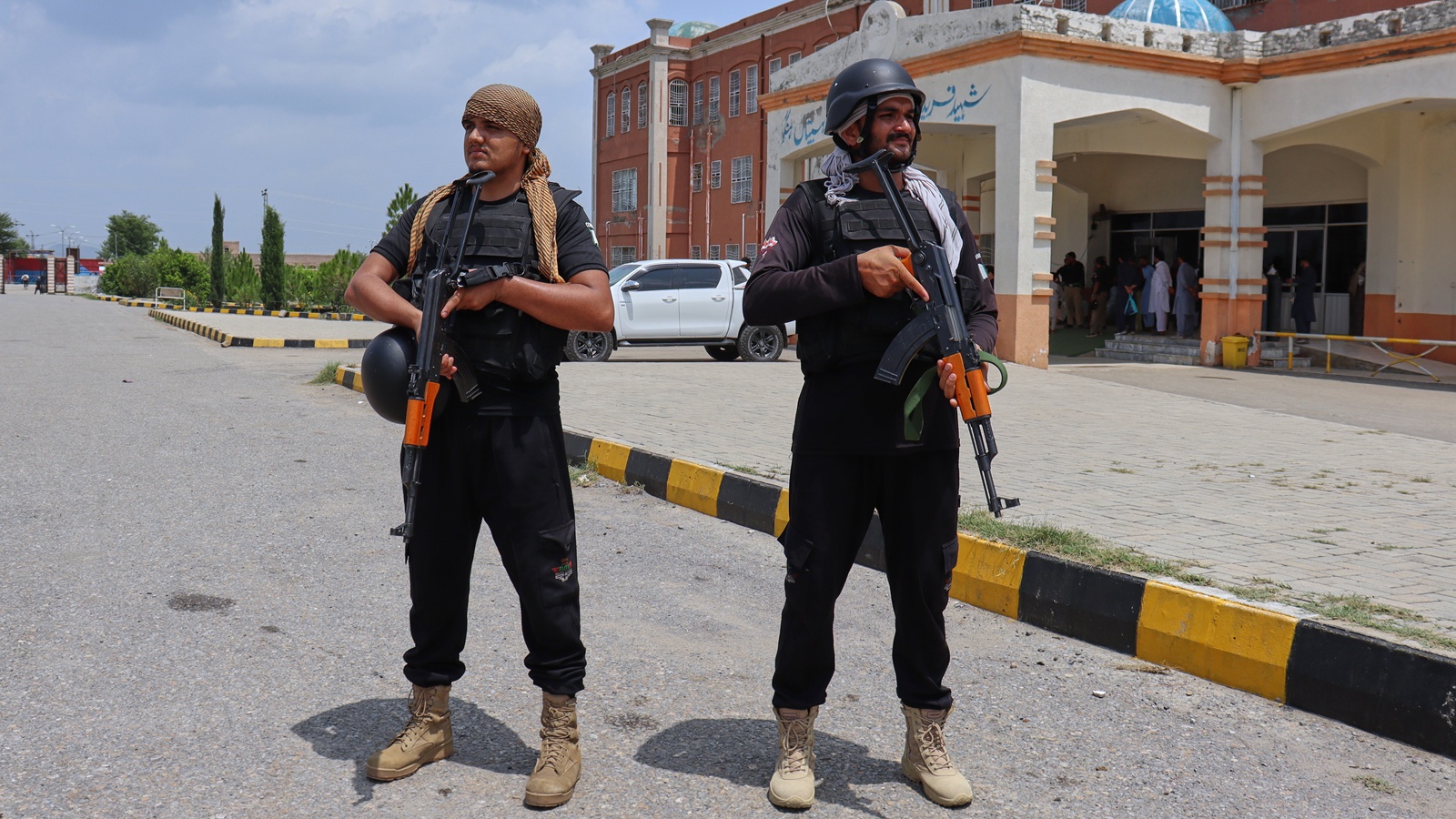
The lazy consensus on the streets of Muzaffarabad and the columns of international wire services is neatly packaged. We are told that the eruption of violence, the internet blackouts, and the mounting body count are simply about a math problem. Twelve seats. That is the conventional wisdom. Twelve legislative seats reserved for diaspora refugees living in places like Lahore and Rawalpindi. The narrative claims that if Islamabad would just rewrite the constitutional mechanics governing these refugee constituencies, the anger would evaporate, the Joint Awami Action Committee (JAAC) would stand down, and peace would return to the valleys.
It is a comfortable lie. It reduces a structural implosion into a bureaucratic zoning dispute.
To look at thirty-seven—or forty-plus—dead bodies on asphalt and blame it exclusively on electoral padding for diaspora votes is political illiteracy. The 12 seats are not the disease; they are merely the fever symptom. The actual conflict is a collision between an unsustainable colonial-style fiscal extraction model and a population that has run out of economic oxygen.
The Anatomy of an Extractive Illusion
Let us define terms clearly. Pakistan-administered Kashmir operates under a bizarre constitutional fiction. It is treated as sovereign enough to hold theatrical elections for a local assembly, yet entirely subservient when it comes to resource allocation, taxation, and basic civil liberties.
For decades, the territory has subsidized mainland Pakistan's energy grids through massive hydroelectric generation at projects like Mangla and Neelum-Jhelum. What does the region get in return? Skyrocketing electricity tariffs, acute inflation, and economic strangulation. When locals protested against subsidized perks for the political elite while ordinary citizens faced crushing utility bills last year, the state responded with minor concessions. Those concessions predictably evaporated the moment international attention shifted elsewhere.
The 12 refugee seats function as an institutional safety valve for the establishment in Islamabad. They ensure that no matter how local voters in Mirpur or Muzaffarabad cast their ballots, the ruling party of the Pakistani mainland can engineer a loyal majority. Imagine a corporate board where the CEO gets to appoint twelve phantom directors who do not live in the company town, do not use its infrastructure, but hold veto power over every local decision. Naturally, the locals revolt. But focusing only on those twelve seats misses the broader structural trap.
The State's Dangerous Amnesia
The Pakistani establishment's reaction to the current crisis has graduated from denial to outright belligerence. Defence Minister Khawaja Asif did not merely dismiss the protesters; he publicly categorized them alongside hostile foreign actors, declaring zero room for dialogue. Meanwhile, adviser Rana Sanaullah offered a stunning, mask-slipping historical parallel, noting that some elements within the current protest movement mirror the very militant proxies the state trained and deployed in decades past, only to watch those policies backfire.
This is the central irony. The machinery of state violence that was historically cultivated for regional projection has inevitably turned inward. When you build a state apparatus dependent on coercion, you cannot pivot to democratic conflict resolution simply because unarmed citizens are marching against high food prices and rigged ballots. The muscle memory of the bureaucracy is ironclad: black out the internet, shut down regional banks, deploy paramilitary forces, and cry foreign conspiracy.
Dismantling the False Solution
If you ask mainstream analysts what should happen next, they will offer polite policy recommendations. They suggest judicial reviews of the electoral act, moderate constitutional amendments regarding the refugee quota, or token parliamentary committees to look into police brutality.
This is useless tinkering.
A structural crisis of this magnitude cannot be solved by technical adjustments to election laws. The social contract between Islamabad and the territories under its administration has ruptured beyond repair. When security forces open fire on long marches, and when hospitals are stripped of medical supplies while injured protesters bleed out on the streets, minor legislative tweaks are nothing more than window dressing on a prison.
The real question nobody wants to ask is what happens when a captive economy realizes its subjugation costs the central state more to maintain than it yields in return. The cost of militarizing the region, cutting communication lines, and managing perpetual civil unrest is bleeding an already bankrupt Islamabad. Yet, relinquishing control feels culturally and politically impossible for a security establishment obsessed with territorial prestige.
Stop looking at the ballot box math. Look at the balance sheet of an empire collapsing under the weight of its own administrative contradictions. The bloodshed in the valleys is not an election dispute gone wrong. It is the sound of a structural fracture that can no longer be papered over with press releases and curfews.
Inside the Fight Over 12 Disputed Assembly Seats
This video provides an essential breakdown of the legal mechanics and historical context behind the contested refugee seats driving the current unrest in Pakistan-administered Kashmir.
http://googleusercontent.com/youtube_content/1