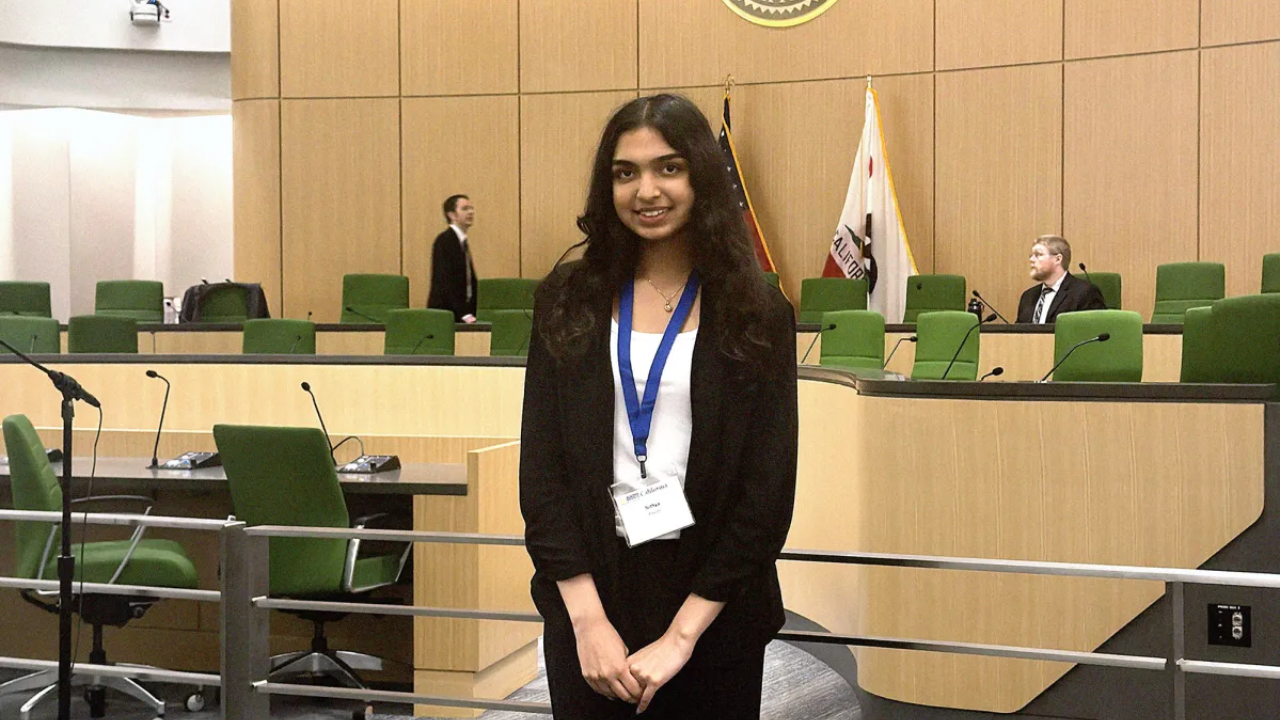
Every few weeks, the media rolls out a familiar, predictable archetype. We are told to stand in awe of a high school student—say, a teenager from California founding an international organization with hundreds of members—and applaud them for saving the world before passing their chemistry finals.
The lazy consensus says this is the ultimate proof of youth empowerment, grassroots hustle, and the inspiring ascent of the next generation.
It is a comforting fairy tale. It is also a systemic symptom of a broken admissions arms race.
Let us stop pretending these student-run "nonprofits" are organic disruptions of social ills. Most of them are sophisticated resume-padding exercises engineered by stressed teenagers, anxious parents, and private consultants who know that elite universities no longer accept straight-A report cards and a varsity track letter. You need impact metrics. You need scale. You need a 501(c)(3) with chapters across three continents just to stand out in a pile of Ivy League applicants.
When we fawn over these initiatives without interrogation, we misunderstand the mechanics of modern youth achievement. We reward the packaging over the substance, and worse, we burden teenagers with the performance of corporate bureaucracy when they should be learning how to think.
The Metrics Myth of Student NGOs
Look closely at the press releases. Headlines boast about "15 chapters worldwide" or "500 members." In the corporate world, these numbers would trigger immediate scrutiny. What does a "chapter" mean when it consists of two 16-year-olds swapping Google Docs in a Dublin, California bedroom and another pair in Kathmandu?
It means administrative bloat disguised as global expansion.
When teenagers build organizations across international borders before they have paid taxes, managed a payroll, or faced a true operational crisis, they aren't scaling solutions. They are collecting logos for a Common App extracurricular section.
I have watched companies blow millions on vanity metrics—scaling user counts while unit economics burn to ash. The student nonprofit ecosystem is the exact same illusion on a micro scale. Expansion is cheap when you rely on unvetted volunteers clicking "join" on an Instagram link. True structural change in spaces like neurodiversity advocacy requires deep, localized, clinical continuity. It does not scale globally via a high school summer fellowship run out of a browser window.
The Privilege of Project Building
Let us talk about the unspoken baseline of the teenage nonprofit industrial complex: raw, unadulterated privilege.
Imagine a scenario where a student works a part-time job forty hours a week to help their family pay rent. Do they have the bandwidth to launch the "Sevah Pediatric Neuroinclusion Fellowship" or lobby state legislatures? Of course not.
The capacity to run an international NGO while maintaining a 4.5 GPA requires a safety net so thick you could drop an elephant on it. It requires parents who can fund the LLC or nonprofit incorporation fees, absorb the opportunity cost of unpaid labor, and drive you to shadow pediatric therapists.
By treating these resume-crafting exercises as heroic tales of egalitarian grit, media outlets gaslight millions of teenagers who are simply trying to survive high school without burning out. We create an impossible standard where normal, focused teenagehood is viewed as a failure of ambition.
Redefining Youth Impact
Does this mean young people shouldn't care about autism, Down syndrome, or systemic educational gaps? Absolutely not. The passion is real. The desire of students to bridge these divides comes from a genuine place.
The failure lies in the vehicle.
We have convinced teenagers that the only way to care about a problem is to brand it, incorporate it, and scale it into an international bureaucracy. This destroys the local, gritty, unglamorous work of actually showing up.
If you want to help neurodivergent children, you do not need a global chapter network in Ghana and Mexico. You need to spend three years volunteering quietly at a local clinic, learning patience, and understanding clinical realities without an Instagram page documenting your benevolence.
Real impact is local, unscalable, and quiet. The moment a teenage initiative starts measuring its worth in international chapters and media profiles, it stops being about the community and starts being about the brand.
Stop rewarding the hustle of the resume. Start demanding depth over distribution.