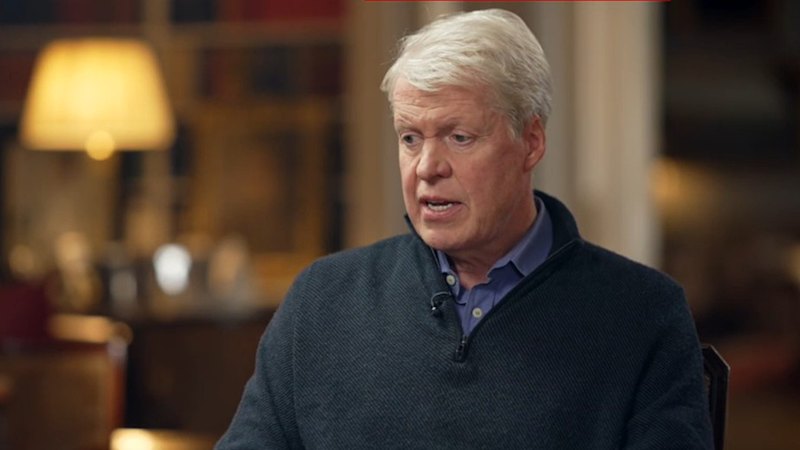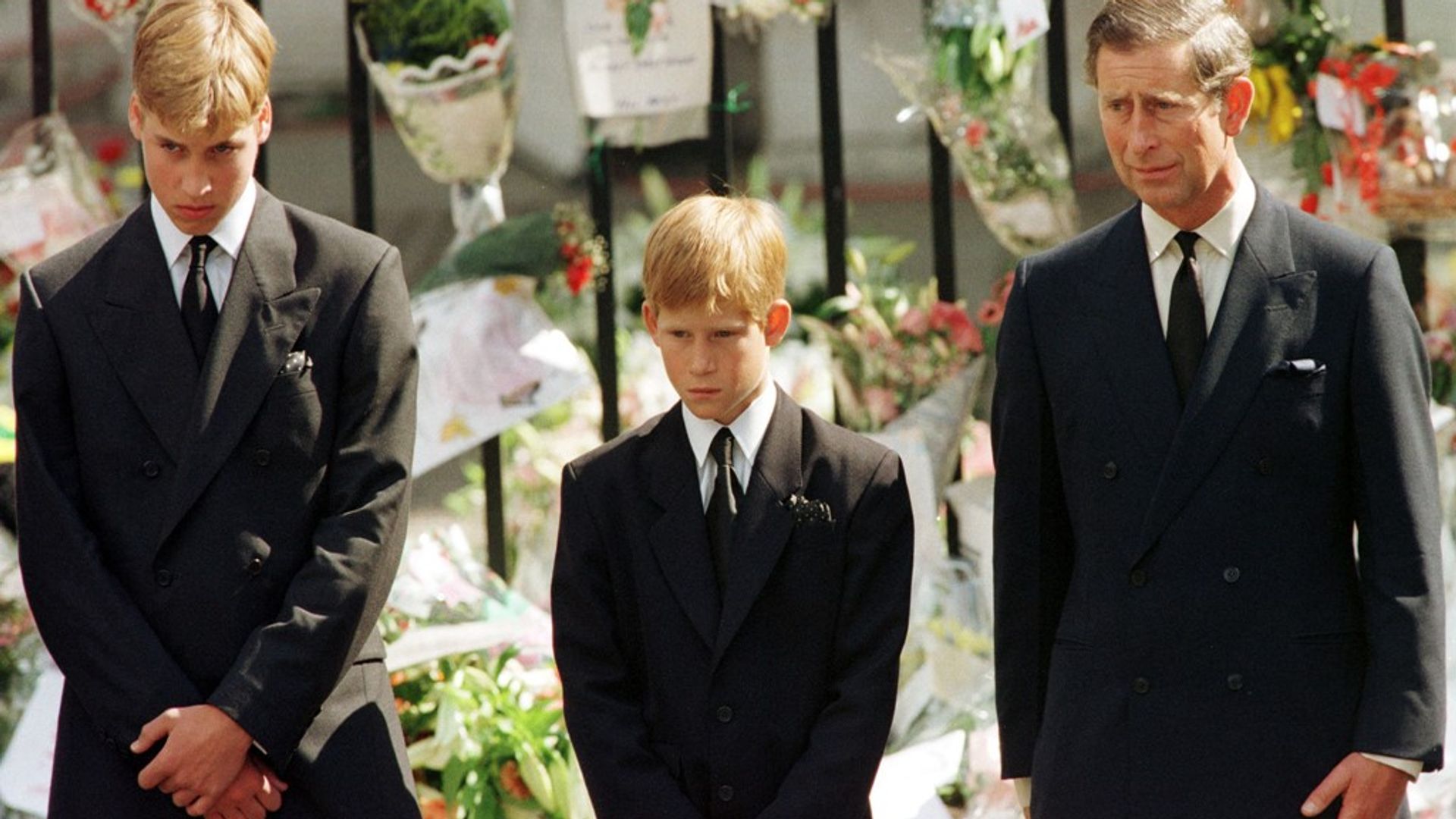
Every time another dusty headline emerges about Earl Spencer recalling how the late Queen supposedly responded tetchily to the death of Diana, the media ecosystem gasps on cue. We get the predictable cycle of outrage, royal analysts clutching their pearls, and op-eds dissecting whether a sovereign showed enough public emotion back in August 1997. It is exhausting, completely missing the point, and built on a foundation of emotional voyeurism.
Stop asking how the Queen felt. Start asking why we are still using a decades-old family dynamic as a permanent proxy war for our own cultural anxieties about accountability. You might also find this similar coverage useful: Inside the Royal Cold War Triggered by Charles Spencer.
The lazy consensus holds that the House of Windsor committed a catastrophic public relations error by remaining at Balmoral, treating public grief as a private inconvenience. According to this narrative, Charles Spencer stepped into the vacuum at Westminster Abbey with his sharp rebuke, acting as the lone moral voice against a cold institution.
The reality is far more uncomfortable, and it requires dismantling the sacred cow that Spencer himself helped construct during that funeral sermon. As reported in latest coverage by Reuters, the results are worth noting.
The Convenience Of Blaming A Palace
Let us look at the mechanics of 1997. The narrative that a grieving family was uniquely callous ignores the basic psychological mechanics of trauma and institutional self-preservation. When a global media circus descends on a private family tragedy, retreating behind stone walls is not a sign of sociopathy; it is an instinctive survival mechanism.
Yet, commentators love to frame the events through a moral binary. On one side stands the warm, accessible "People's Princess." On the other stands an archaic institution that viewed emotion as a protocol violation.
This framing is a brilliant marketing trick. It allows the tabloid press—the very entities that chased a Mercedes-Benz through the streets of Paris while flashbulbs blinded the driver—to position themselves as the voice of the grieving public. They manufactured the crisis, monetized the panic, and then sat back in judgment when the targets of their harassment failed to perform grief on demand for the television cameras.
When Earl Spencer uses his platform to rehash private conversations with a monarch who can no longer defend herself, he shifts the crosshairs away from the structural rot of the paparazzi culture that put Diana in that tunnel in the first place. We spend weeks dissecting an alleged tone of voice at Balmoral while ignoring the economic incentives of an industry that treats human tragedy as a quarterly earnings report.
The Manufacturing Of Royal Sentiment
Let us define terms. Public relations in the late twentieth century was built on managed distance. The modern monarchy survived for centuries precisely because it projected permanence, neutrality, and emotional restraint. Expecting an eighty-year-old monarch raised in the shadow of the Second World War to suddenly adopt the confessional, daytime-television emotional cadence of the late nineties is absurd.
When people complain that the Queen was tetchy or cold, they are projecting contemporary therapeutic standards onto an institution designed to operate entirely outside the whims of modern pop psychology.
I have watched public relations crises managed at the highest levels of corporate and political life. When a catastrophe strikes, the instinct of any entrenched bureaucracy is to hunker down, verify facts, and protect the core asset—in this case, the stability of the state. To label that defensive posture as a personal failure of empathy is to misunderstand how large, archaic power structures function under pressure.
Spencer’s memoir and subsequent media appearances cash in on a persistent demand for royal melodrama. By reducing a complex geopolitical and cultural shock to a interpersonal squabble between an uncle and a sovereign, we reduce a systemic failure of media ethics to a soap opera script.
The Real Culprit Is The Mirror
If we want to fix our relationship with public tragedy, we have to look past the palace gates and stare directly at the consumer base.
The public did not just mourn Diana; they consumed her destruction. The demand for intimate access, unfiltered photographs, and unceasing revelation created the economic pressure that drove the photographers into that Paris underpass. The Windsor family’s response at Balmoral was a symptom, not the disease. The disease was an insatiable public appetite that demanded absolute transparency from public figures while granting them zero sanctuary.
Every time a new interview drops rehashing the arguments of 1997, the media industrial complex runs the same playbook. They invite you to pick a side in a family feud so you forget your own complicity in the machinery of intrusion.
Stop falling for the distraction. The tragedy of Diana was never about a queen’s private remark or an earl’s grandstanding speech in an abbey. It was about a society that decided public figures owed them their peace of mind, their privacy, and their very lives.
Until we admit that the flashbulbs were the weapon, we will keep fighting over who looked sad enough at the funeral while the next tragedy gets queued up for the morning edition.