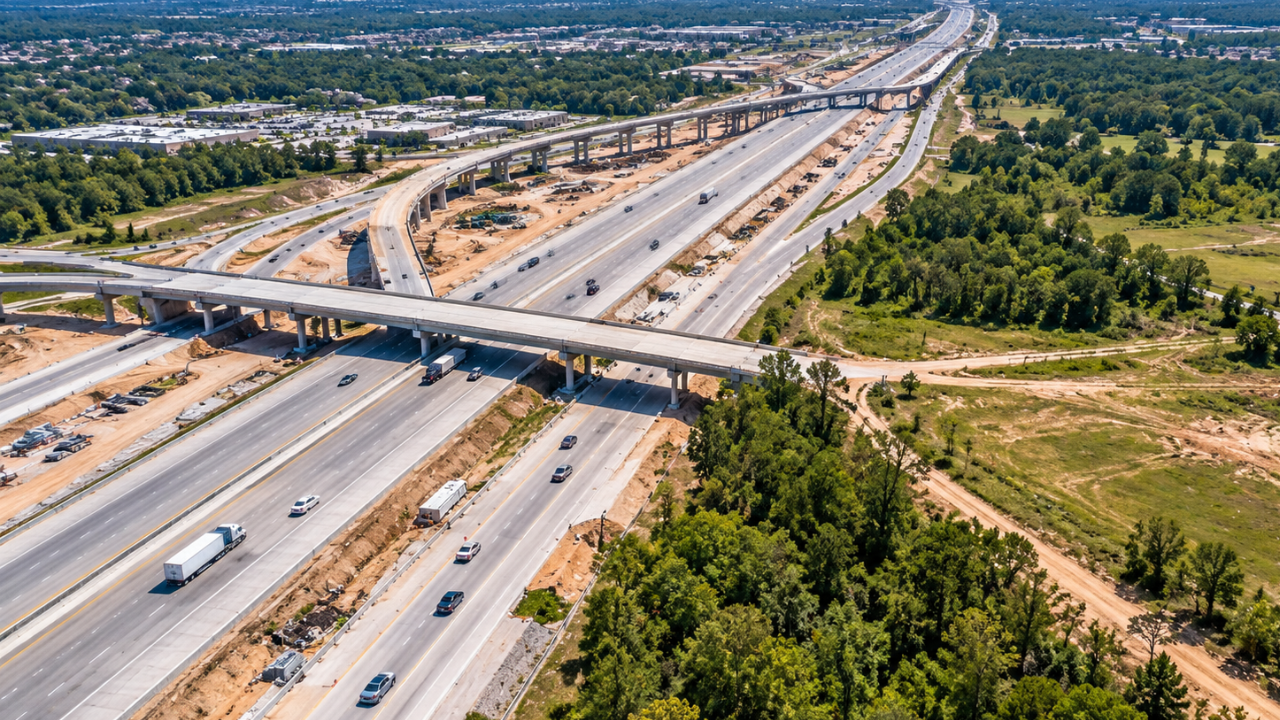
Eminent domain makes people squeamish. Mention the phrase and courtroom dramas play out in your head, picturing government bulldozers flattening Grandma’s porch to pave a strip of gray asphalt. Outrage follows automatically. The headlines write themselves about property rights trampled by bureaucrats wielding maps and legal briefs.
Then the highway shifts. The bypass routes somewhere else. The concrete gets poured miles down the valley, leaving behind a scarred strip of vacant dirt that used to be someone's pasture.
And now the owners want it back.
The narrative making the rounds plays on raw sympathy. Government took the dirt, didn't use it for the exact asphalt ribbon promised, and therefore should hand the deeds right back for free or pennies on the dollar. It sounds fair at a casual glance. It sounds like righting a wrong.
It is also completely economically illiterate.
Property rights are not sacred artifacts frozen in amber. They are functional tools for allocating resources. When the state takes land for infrastructure, it pays compensation based on market valuation at that exact moment. The transaction is complete. The state bought the bundle of rights, absorbed the financial risk, and carried the asset through decades of shifting demographic realities.
Treating a highway right-of-way like a library book you can return for a refund misunderstands how public planning operates. Infrastructure corridors are strategic national assets. If you buy out a landowner to build a bypass, you aren't just buying dirt; you are buying optionality for the entire region's future mobility.
When traffic patterns change, cities grow denser, or engineering standards shift, roads get rerouted. That does not mean the original owner holds a moral lien over the soil fifty years later.
Let us look at what actually happens when governments return unused right-of-way parcels. Speculators circle like vultures. Families who sold out decades ago suddenly find themselves sitting on windfalls created entirely by public investments made around them. The value of that vacant land didn't come from their stewardship; it came from the adjacent interchanges, the regional growth, and the taxpayer-funded grid connecting it to the rest of the map.
Handing it back to the descendants of the original title-holder is a handout disguised as justice.
Critics argue that failing to return the land amounts to government hoarding. That misses the point of public asset management. Governments should hold, repurpose, or auction surplus right-of-way at full market value to fund current transit needs. Turning municipal planning departments into sentimental real estate return agencies is a great way to guarantee that future infrastructure projects become legally impossible to execute.
Try building a modern power grid, high-speed rail line, or highway network if every foot of land comes with a fifty-year reversion clause attached to it. Nothing would ever get built. Every mile of asphalt would require permanent litigation insurance.
Property ownership involves risk. When you sell land to the state under eminent domain, you take your payout and exit the game. You do not get to cry foul when the game board changes and wish you had stayed seated.
Stop romanticizing the property claim of yesterday at the expense of tomorrow's mobility. If the state has surplus land, auction it off to the highest bidder, fill the public coffers, and build something useful. Sentimentality doesn't pave roads.