Every single storm season follows the exact same script. A tropical system spins up, loses its punch over mountainous terrain, and dumps a historic volume of water onto the American Southwest or Mexico. Meteorologists panic on cable television. Pundits talk about unprecedented atmospheric moisture. City planners throw their hands in the air and mutter something defensive about once-in-a-century climate anomalies.
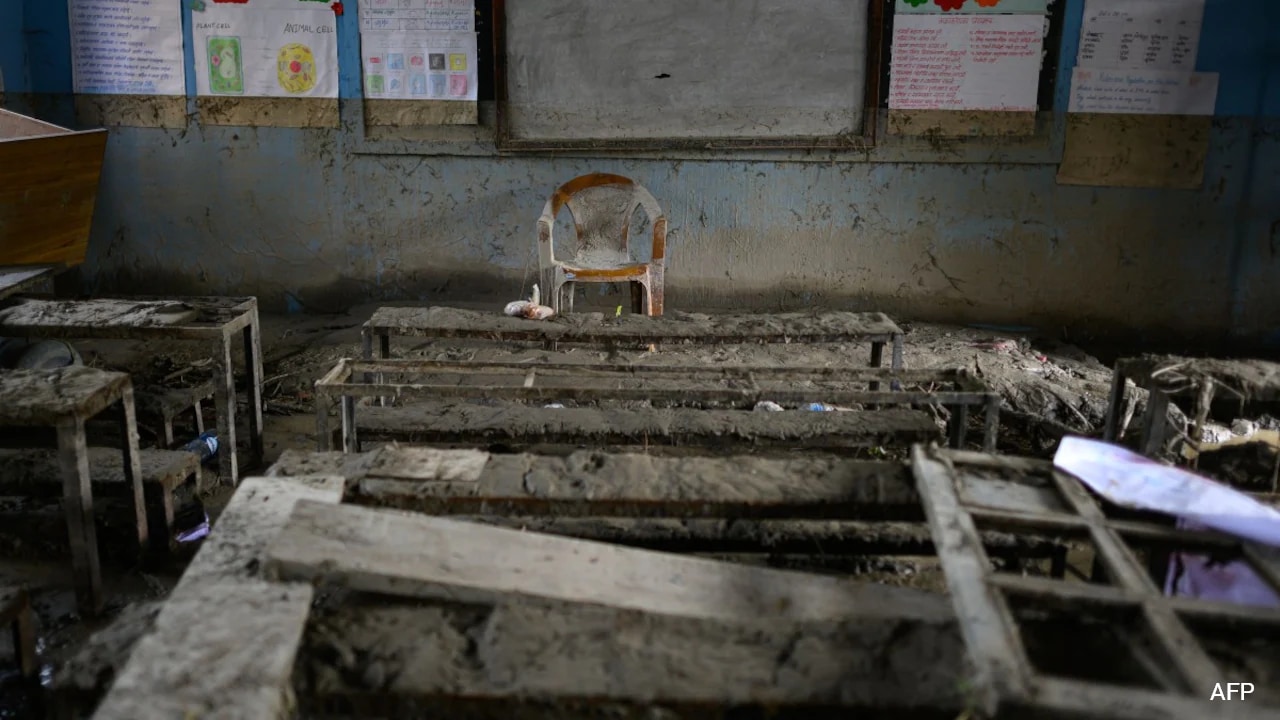
Then the floods arrive, homes wash out, power grids fail, and everyone acts surprised. You might also find this connected story interesting: Why Washington Needs New Delhi More Than Washington Admits.
Stop buying the excuse. Hurricane Polo or whatever recycled designation the National Hurricane Center pulls from the hat this week did not destroy those communities. Bad civil engineering did. Decades of garbage zoning laws, asphalt-choked watersheds, and political cowardice did. When a weakening tropical remnant crashes into an arid environment, it acts as a stress test for structural stupidity. We fail the test every single time, and then we blame the weather for grading too hard.
The lazy consensus in mainstream storm reporting is that nature simply overpowered human defenses. That framing is dangerous because it absolves the people who build in floodplains, pave over natural drainage basins, and refuse to modernize water capture systems. If you build a city in a bowl of dry clay and concrete, a moisture plume from a dying Pacific storm will turn your investment into a lake. That is not a natural disaster. That is basic physics meeting systemic denial. As reported in latest reports by The Washington Post, the implications are significant.
The Arid Myth of the Desert Downpour
Look at the mechanics of what actually happens when a tropical depression stalls over northern Mexico or the desert Southwest. The conventional narrative treats this water as a random catastrophe, an act of God raining misery from above.
The reality is far more clinical. The Southwest is biologically and geologically incapable of absorbing high-velocity precipitation because we spent the last eighty years treating the desert like an empty canvas for suburban sprawl. When you replace native chaparral, mesquite, and permeable soil with miles of parking lots, strip malls, and concrete flood channels designed in the nineteen-fifties, you break the hydrological cycle.
Water needs to go somewhere. When it hits a natural landscape, it infiltrates, recharges aquifers, and moves slowly. When it hits a sprawlscape, it accelerates. It turns into a wall of concrete-channeled runoff moving at twenty miles per hour through neighborhoods that were permitted on dry riverbeds because developers wanted a nice view of the arroyo.
I have watched municipal budgets bleed millions of dollars into emergency sandbags and post-flood disaster relief, year after year, while local politicians refuse to mandate permeable paving, retention basins, or managed retreat from high-risk flood zones. They would rather spend endlessly on reactionary emergency management than admit their zoning codes were written by real estate speculators who cleared out before the first major storm hit.
When Hurricane Polo or any comparable eastern Pacific remnant tracks north, it pulls up atmospheric moisture from the Gulf of California and the warm Pacific. It hits the Sierra Madre or the Mogollon Rim, dumps ten inches of rain in forty-eight hours, and everyone acts like the sky betrayed them. The sky did what the sky has done for millennia. You are the one who built a subdivision in a drainage ditch.
The Cost of Reactive Infrastructure
We run our disaster management like a broken corporate turnaround. We wait for the fire, then we buy extinguishers at retail price.
Governments love major storms because a crisis justifies emergency spending without the boring, tedious oversight of long-term capital improvement projects. You can cut ribbon-cuttings for a shiny new flood wall that everyone knows is undersized for a worst-case scenario. You can beg the federal government for disaster declaration funds that go toward patching asphalt and clearing mud out of irrigation ditches instead of fundamentally redesigning how water moves through urban centers.
This is where the standard economic argument falls apart. Municipal leaders claim they cannot afford preventative resilience. They argue that tearing up aging storm sewers or redesigning municipal watersheds costs too much upfront capital.
That calculation is financial illiteracy. The true cost of a flood-damaged southwestern city includes destroyed commercial inventory, lost productivity, skyrocketing municipal insurance premiums, structural foundation remediation for thousands of homes, and emergency rescue operations that risk human lives. The price tag of doing nothing always eclipses the cost of engineering infrastructure correctly the first time.
Take a hard look at Phoenix, Tucson, El Paso, or Hermosillo. For decades, the engineering philosophy was simple: get the water out of the city as fast as possible. Build concrete flumes. Line the rivers with rock baskets. Shoot the stormwater downstream into your neighbor's backyard or out to the desert floor before it can pool.
It was a brilliant strategy for short-term land development. It was an absolute disaster for long-term ecological and structural stability. Speeding up runoff turns a heavy rain event into a high-velocity battering ram. It scours bridge footings, undercuts highway retaining walls, and rips up municipal utilities. Then, when the concrete flumes inevitably overflow because they were engineered for yesterday’s weather patterns, the water spreads out across flat, over-developed floodplains with nowhere to drain.
Why the Tech and Data Won't Save Us Until We Change the Politics
Every year, civil engineering firms trot out new sensor arrays, satellite data models, and predictive AI software to track tropical moisture plumes. We can map rainfall distribution down to the square meter in real time. We can forecast flash floods twelve hours before they hit an arroyo.
And yet, homes still flood. People still drown in their cars because they tried to cross a flooded dip in the road.
Data without political will is just expensive noise. Knowing precisely when a flood will destroy a poorly zoned housing development does not save the housing development. It just gives you a better vantage point to watch it wash away.
The executives and municipal directors who sign off on building permits in high-risk zones rarely face the financial fallout of their decisions. The risk is externalized onto homeowners through subsidized flood insurance programs and taxpayer-funded bailouts. As long as the federal government steps in to rebuild identical houses in identical floodplains after every major tropical system, nobody has an economic incentive to fix the underlying system.
If you want to stop the cycle, you have to break the moral hazard of bad geography.
The Uncomfortable Solution
We need to talk about managed retreat, and we need to talk about it now. Not every square mile of desert valley or coastal flood basin is fit for human habitation, no matter how many retention ponds you dig or how many acres of asphalt you lay down.
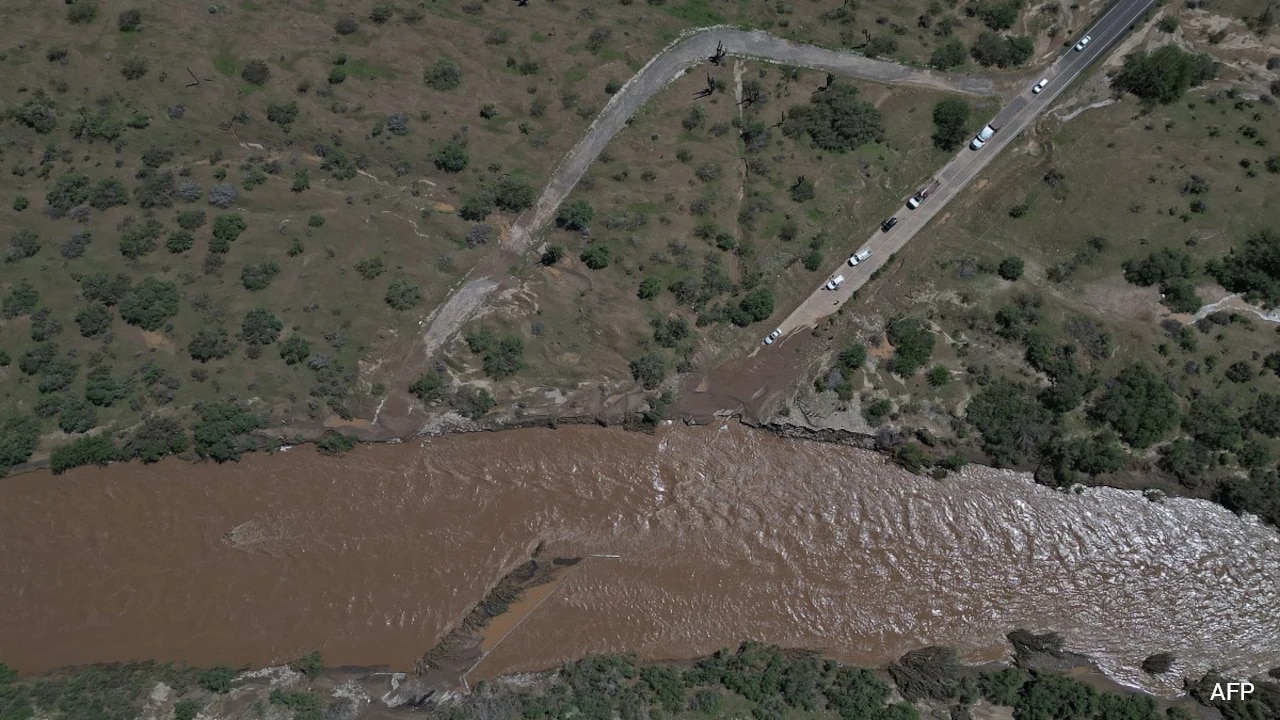
When a tropical remnant turns an interstate into a river, it is sending a message about carrying capacity. Ignoring that message because of tax revenue or real estate lobbying is economic malpractice.
We need to rip out concrete channels and restore natural meanders to urban waterways. We need to penalize municipal governments that approve housing developments in historical floodways. We need to stop pretending that every natural hazard is an unprecedented black swan event that could not possibly have been anticipated by anyone with a basic high school physics textbook and a topographic map.
The next time a weakened storm pulls moisture into the Southwest and drops a year's worth of rain in an afternoon, do not look at the sky for the villain. Look at the city council chambers. Look at the civil engineering firms that prioritized cheap concrete over hydrological reality.
Nature keeps sending the bill. We keep pretending the check is in the mail.