Another headline blares about a multi-million-dollar art theft, screaming about priceless canvases vanishing into the shadows. The mainstream press loves to hyperventilate over numbers. They tally up the auction values, slap a flashy currency conversion on the screen, and act as though the thieves just walked out with a suitcase of untraceable cash.
They did not.
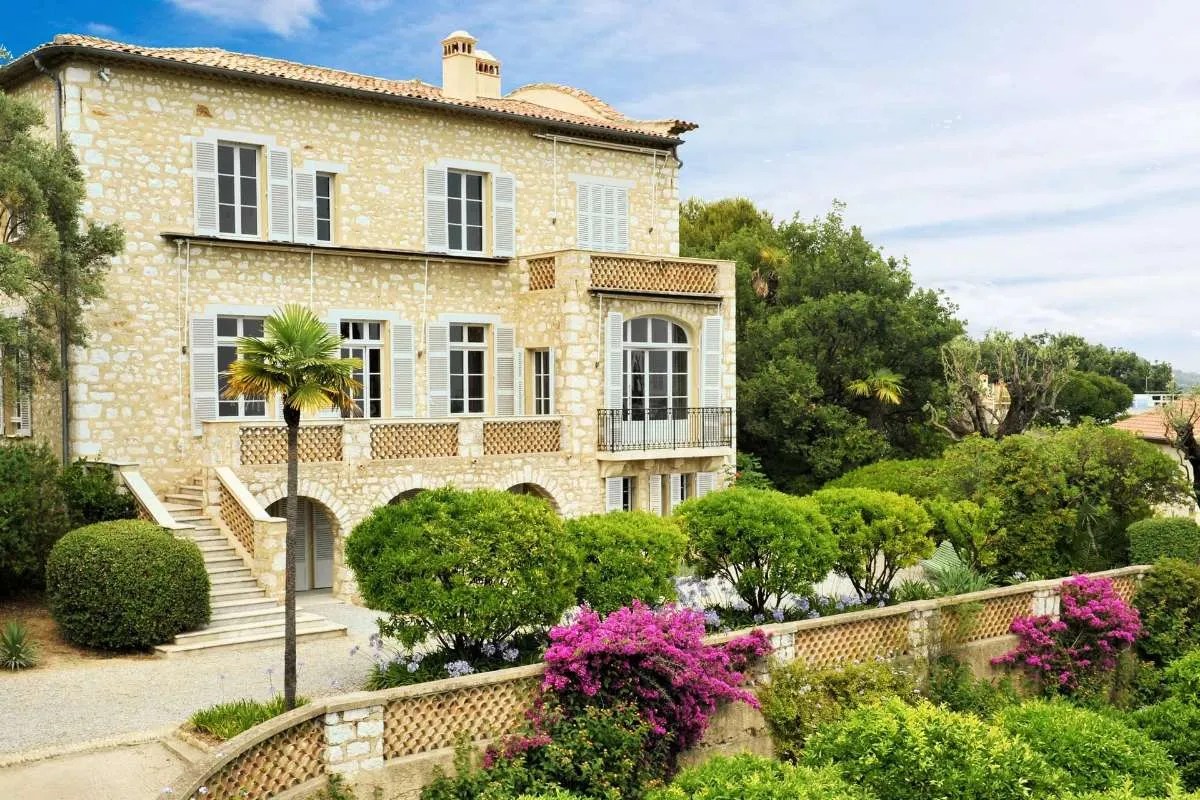
The recent raid on the Renoir Museum in Cagnes-sur-Mer, where intruders made off with impressionist works valued near nine million euros, follows a predictable script of pearl-clutching commentary. Pundits lament security gaps, politicians boast about five-minute police response times, and armchair sleuths wonder which shadowy billionaire mastermind ordered the hit.
Almost none of it matches reality.
The Liquidity Myth of Stolen Art
Let us define the core misunderstanding: high-end fine art is the least liquid asset class on Earth. It is functionally worthless the second it is stolen.
When a canvas by Pierre-Auguste Renoir or Paul Cézanne is ripped from a wall, its economic value instantly plummets to zero. You cannot walk into a bank, a luxury car dealership, or even a high-end underground cartel and trade a Coco Lisant for commodities or services. The Art Loss Register tracks thousands of stolen objects globally. Every major auction house, reputable dealer, and legitimate collector uses it. Attempting to sell a canonical masterpiece on the open market is equivalent to waving a flare at a squadron of fighter jets.
The lazy consensus treats museum heists like Hollywood thrillers where a rogue collector admires the stolen loot behind velvet drapes in a subterranean lair. In the real world, stolen art usually rots in damp basements, gets buried in shipping containers, or is eventually bartered among low-level criminals for a fraction of a percent of its supposed worth—if it is not accidentally destroyed by panic-stricken amateurs dropping things in the garden.
The Security Paradox
Local officials rush to defend their infrastructure after every breach, pointing out that municipal police arrived in minutes. They miss the point entirely. Focusing on physical response times ignores the fundamental uselessness of fortifying regional house-museums to bank-vault standards.
Imagine a scenario where a small municipal museum allocates its entire operating budget to military-grade biometric security, laser tripwires, and armed patrols. Visitorship drops because the experience feels like entering a penal colony. The community loses its cultural touchstone, and the town ends up spending millions to protect objects that no sensible buyer can ever monetize anyway.
European cultural heritage is decentralized by design. Impressionism belongs in domestic spaces, old villas, and sunlit rooms—not behind three feet of reinforced titanium. When we demand that every regional gallery become Fort Knox, we destroy the soul of public art access to guard against a crime that economically cannibalizes itself.
Why Ransom and Insurance Drive the Market
If the paintings cannot be sold, why do thieves keep breaking in?
The answer lies in insurance payouts, collateral for illicit drug syndicates, and the occasional botched ransom demand. Organized crime networks occasionally use high-profile artwork as a bargaining chip to negotiate reduced sentences or trade cached contraband with law enforcement. More frequently, low-tier syndicates operate on sheer delusion, believing the myth of the eccentric billionaire buyer pushed by popular fiction.
Insurance companies and state indemnities absorb the financial shock, while the cultural sector treats the temporary disappearance as a bizarre form of free marketing. Notice how attendance spikes at regional museums right after a high-profile security breach? People flock to see the empty spaces, morbidly curious about what used to hang on the hooks.
The Real Question Nobody Is Asking
Stop asking how thieves managed to slip past local surveillance or how many crores the loot is nominally worth on paper. That is noise designed to generate clicks.
The real question is why society continues to conflate speculative auction valuations with actual utility. A painting's worth is entirely bound up in its legal provenance, its public visibility, and its institutional context. Strip those away, and an impressionist canvas is just expensive flax and linseed oil drying on a wooden frame.
The thieves who ran into the olive groves of Cagnes-sur-Mer didn't secure a fortune. They inherited an administrative nightmare, a global police manhunt, and a stolen asset that will likely end up moldering in a ditch because it is utterly, permanently unsellable.
Let the media keep counting their imaginary millions. The market has already rendered its verdict.


