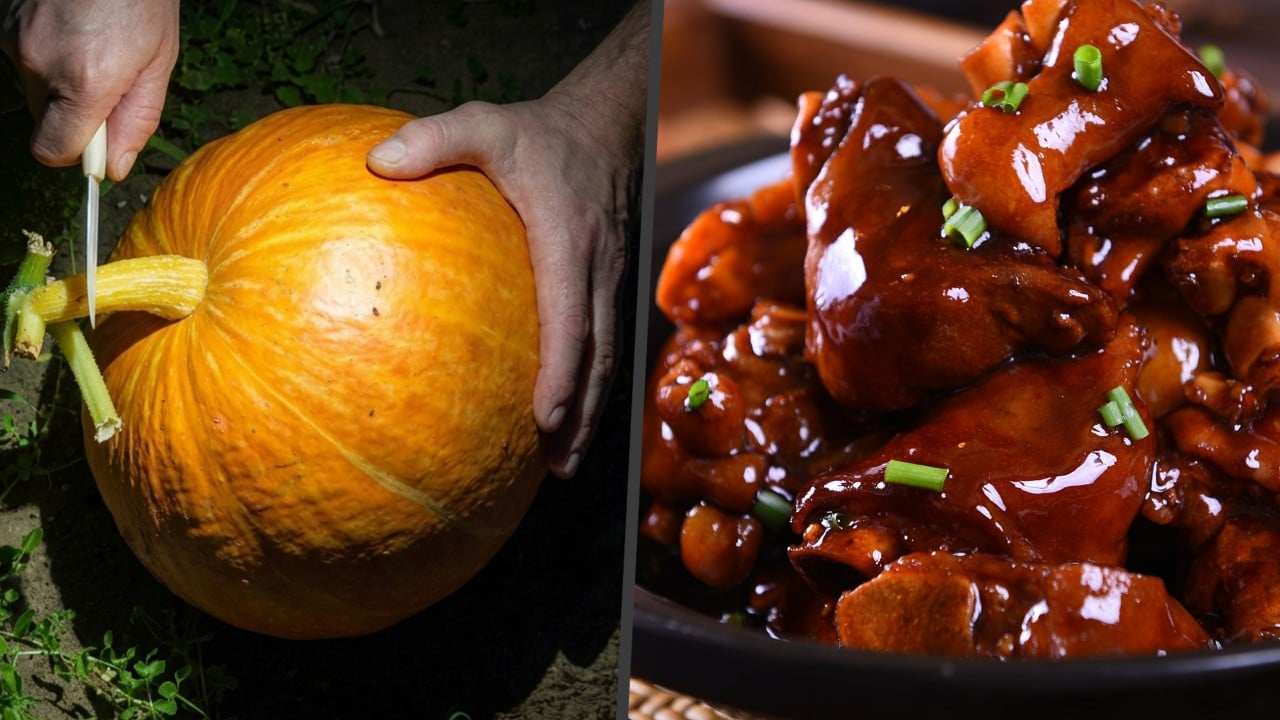
Stealing a pumpkin for newlyweds does not magically unlock fertility. It never did.
Pop-history listicles love to serve up a cozy story about ancient Chinese weddings where sneaking into a neighbor's patch to swipe a gourd or pumpkin guarantees sons, wealth, and marital luck. It sounds whimsical. It sounds ancient. And it gets a massive chunk of the history, botany, and social mechanics backward.
Let's tear down the lazy consensus right away. Competitor articles routinely lump all squash and gourds into one tidy "ancient Chinese" bucket, treat theft as a harmless romantic quirk, and act as if ritual symbolism works like a vending machine. Insert stolen gourd, receive heir. That is not how folk religion, rural property norms, or agrarian households actually operated.
I have spent years studying folk customs, material culture, and how modern content creators flatten complex regional traditions into clickbait. I have watched writers take a single grain of regional custom—like tougua (stealing melons or gourds in fertility rites) or touqing (stealing green/unripe items or festive offerings in specific local customs)—and stretch it across three thousand years of Chinese history like cheap taffy. When you flatten a tradition that much, you don't explain it. You distort it.
The Botanical and Historical Trap People Walk Into
First, define the terms carefully. In everyday English today, "pumpkin" usually points to Cucurbita pepo, Cucurbita maxima, or Cucurbita moschata—New World squashes that arrived in the Americas and reached East Asia after Columbian exchange trade routes opened in the early modern period. Traditional Chinese agrarian and ritual texts dealt heavily with native and long-established Old World gourds and melons, such as bottle gourds (Lagenaria siceraria, hulu) and winter melons or muskmelons (donggua or tiangua), alongside later-adopted squashes (nangua).
When a modern article says "ancient Chinese tradition" and pairs it with "pumpkins," the timeline already wobbles. You can talk about ancient Chinese gourd and melon symbolism—seeds stand for descendants, vines stand for continuity—without pretending a New World pumpkin was sitting in a Zhou dynasty courtyard. Calling every round vine fruit a "pumpkin" is shorthand that erases real agricultural history.
Scholars of Chinese folklore and social history—figures like Wolfram Eberhard, who cataloged regional folk motifs, or later historians examining local gazetteers and agrarian customs—have long shown that folk practices vary wildly by village, season, and lineage structure. A custom practiced in one county or during a specific festival was not a universal law from the Yellow River to the South China Sea.
Why "Stealing" Was Never Just Cute Mischief
Here is the part modern romantics skip over because it ruins the aesthetic.
In pre-modern rural China, land was scarce, harvests were fragile, and property boundaries were fiercely guarded by families and lineages. Taking something from another person's field was not treated like a lighthearted scavenger hunt unless social rules explicitly framed it as ritual license, seasonal play, or negotiated community custom.
Think about the power dynamics in a real village. If a poor tenant farmer or an outsider walked onto a wealthy landlord's estate and hauled off crops, that wasn't a "blessing." That was theft, and the punishment could mean beatings, fines, public shaming, or expulsion. Even within a single clan, taking resources without sanction could spark feuds over water rights, paths, and field edges.
When ritual theft or playful snatching did occur in folk traditions—whether involving melons, lanterns, or wedding props—it operated inside strict social guardrails. Participants were often children, unmarried youth, or kin acting within a known festival context, and the act carried symbolic tension precisely because taking what isn't yours flirts with taboo.
Imagine a scenario where two neighboring households in a late-imperial farming village have a tense boundary dispute over an irrigation ditch. One family's newlyweds are about to be celebrated, and a relative sneaks into the rival household's plot to grab a large gourd as a "fertility charm." In a fairy tale, everyone laughs and clinks tea cups. In real village life, that gourd is a spark on dry tinder. A blessing does not survive local resentment; it feeds it.
The Real Question Behind "People Also Ask"
Search engines love questions like:
- Why do people steal pumpkins or melons for weddings in Chinese tradition?
- Does stealing a pumpkin bring fertility in Chinese culture?
- Is stealing a pumpkin at a wedding bad luck today?
Every one of those questions rests on a flawed premise if you treat the act itself as an active magical mechanism.
1. "Why do people steal pumpkins or melons for weddings?"
They didn't do it as a universal wedding rule. Where gourd, melon, or vine motifs appeared in marriage and fertility symbolism, the core idea was prolific reproduction—many seeds inside one fruit, long creeping vines connecting one generation to the next. If a playful or ritual "stealing" motif attached to it in a specific locale, the drama came from breaking ordinary routine for a moment of auspicious humor, not from the crime itself being virtuous.
2. "Does stealing a pumpkin bring fertility in Chinese culture?"
No traditional custom guarantees fertility through a single object or stunt. In traditional Chinese household logic, lineage continuity depended on health, nutrition, timing, ancestral veneration, medical knowledge of the era, and plain biological luck. A symbol expresses a wish (yicai, auspicious meaning); it does not override physiology. Blaming or crediting a gourd for family size confuses poetic metaphor with cause and effect.
3. "Is stealing a pumpkin at a wedding bad luck today?"
In the modern world, stealing anything is bad luck for your wallet, your reputation, and your criminal record. If someone wants a playful nod to abundance at a wedding today, buying a decorative gourd or squash from a market and giving it with a toast gives you the exact same visual joke without committing petty larceny or annoying a neighbor.
Where My Contrarian Take Can Backfire
I am not going to pretend that pushing back on romanticized folklore is cost-free. There is a real downside to stripping away the whimsical story.
First, if you get too pedantic about crop taxonomy or regional boundaries, you can sound like a joyless pedant killing a fun story at a dinner party. People often use "ancient" loosely to mean "old and traditional," and they use "pumpkin" loosely to mean "big round squash." Correcting every loose word can make you look rigid rather than sharp.
Second, leaning hard into skepticism can accidentally flatten genuine emotional warmth. Families love creating inside jokes, playful dares, and symbolic gestures around a wedding. Even if a tradition is half-invented, half-misremembered, or stitched together from different customs, the affection people put into it can still be real. Treating every folk tale as pure delusion misses how human communities actually bond.
How to Actually Use Harvest Symbolism Without Looking Foolish
If you are planning a wedding, writing about customs, or building a brand story around harvest and fertility motifs, stop repeating recycled internet myths. Do this instead:
- Name the actual symbol you want. If you mean abundance and many offspring, say so. If you mean long-lasting family bonds, talk about the vine, not a mythical magic spell.
- Separate folklore from history. Do not call a modern mashup "ancient Chinese tradition" unless you can point to the actual period, region, and custom. Precision builds trust faster than exaggeration.
- Keep pranks inside clear consent. Never turn "tradition" into an excuse to take someone else's property, ruin decor, or put guests in an awkward spot. A good wedding gag makes people smile; a bad one creates cleanup duty.
- Anchor rituals in real values. Pair any symbolic gesture—whether a gourd, a pomegranate, or a toast—with something tangible for the couple, like cooking them a real meal or helping them set up their home.
Stop chasing fake ancient magic in stolen produce. Build real abundance with your own two hands.