The lazy consensus of modern sports journalism follows a predictable, toxic blueprint. A high-profile athlete faces historical charges, a mainstream outlet drops a breathlessly reactive headline, social media erupts into a digital lynch mob, and nuance is flattened into a cheap clickbait transaction. When former world snooker champion Graeme Dott faced historical allegations spanning decades, the media ecosystem didn't inform the public; it triggered a Pavlovian panic button. We need to stop treating unproven indictments as moral verdicts and examine how sports governance completely botches due process.
The Presumption of Guilt Disguised as News
Let us define terms precisely. In legal jurisdictions adhering to common law principles, an accusation is not evidence, an indictment is not a conviction, and an allegation is a claim awaiting scrutiny in a court of law. Yet, mainstream sports outlets routinely publish breathless bulletins designed to weaponize emotional triggers rather than convey objective reality. In other updates, read about: Patrick Vieira Takes Senegal And The Pressure Is Immediate.
When media outlets report on high-profile figures facing historical criminal charges, the framing routinely nudges the reader toward instant ostracization. Governing bodies like the World Professional Billiards and Snooker Association (WPBSA) immediately step in with indefinite suspensions. They call it "protecting the integrity of the sport."
Let's call it what it actually is: risk mitigation masquerading as ethics. Sky Sports has provided coverage on this fascinating subject in extensive detail.
Sports administrators live in terror of corporate sponsors pulling funding. The moment a headline drops, executive boards panic. They issue immediate suspensions to sanitize their balance sheets, throwing due process under the bus to appease internet algorithms. This is not justice. It is institutional cowardice.
The Mechanics of Historical Prosecutions
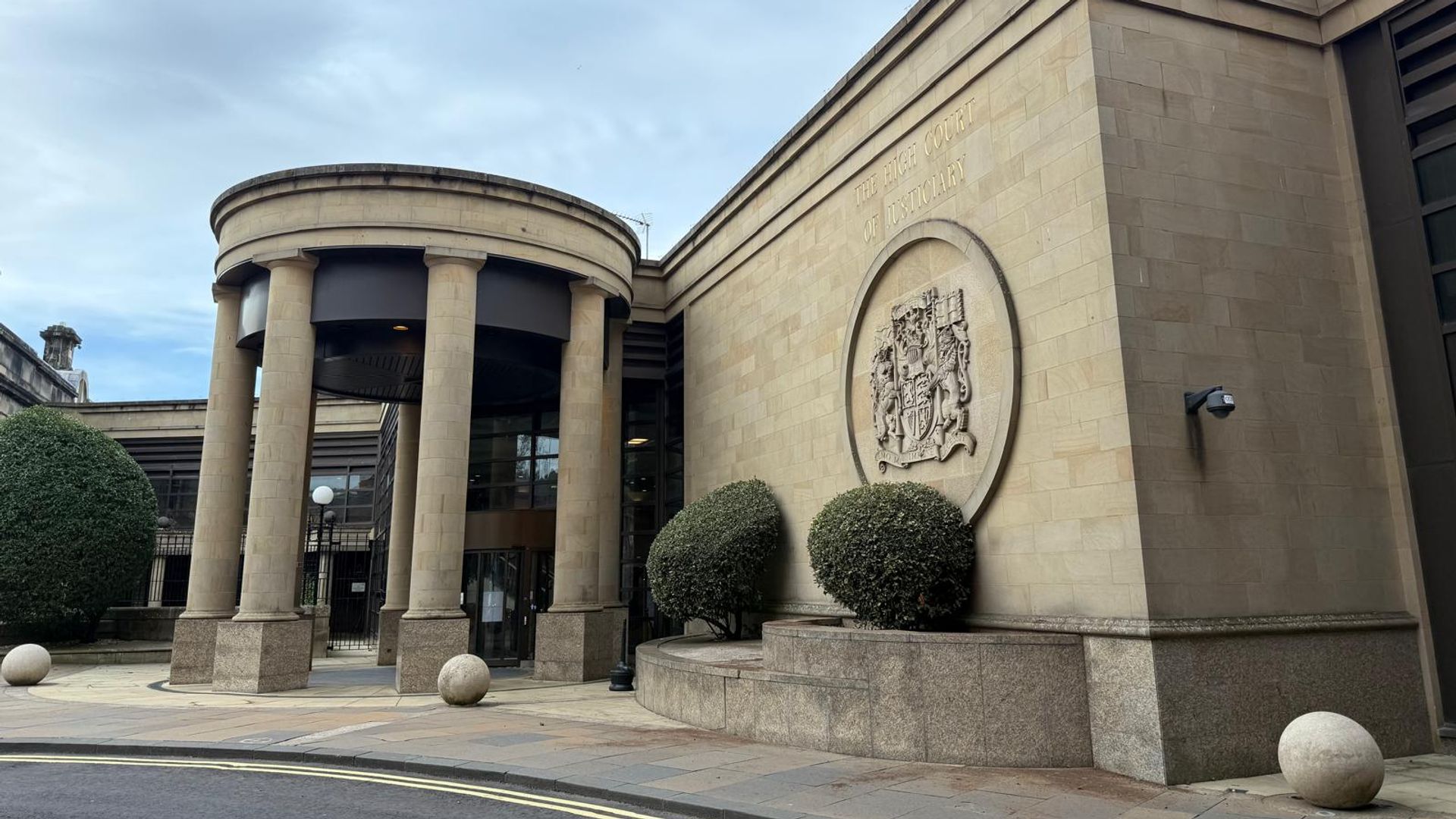
Historical allegations—those stretching back decades, as seen in cases involving figures from Glasgow to Sheffield—present an evidentiary nightmare. Human memory degrades. Contemporaneous physical proof vanishes. Corroborating witnesses pass away or become unreachable.
Imagine a scenario where a professional athlete, operating under the immense public scrutiny of national circuits, is suddenly confronted with decades-old claims. The statistical and psychological reality of investigating decades-old events creates an environment where objective truth becomes nearly impossible to reconstruct.
This is precisely why legal systems invented the standard of proof beyond a reasonable doubt. Yet the court of public opinion operates on an entirely inverted standard: guilty until proven innocent, and sometimes guilty even after an acquittal because the mud has already dried.
I have watched organizations blow millions in legal defense funds and PR crisis management, twisting themselves into pretzels to distance themselves from individuals before a single piece of evidence has been tested in front of an impartial judge and jury.
Dismantling the Governance Cop-Out
Why do sports bodies rush to execute career-ending suspensions before a trial even commences? The defense usually points to protecting minors or safeguarding participants. But suspending a competitor ahead of a trial bypasses the fundamental pillar of a civilized legal framework.
If an athlete is formally convicted, lifetime bans and total excommunication are entirely justified responses. But executing pre-emptive professional destruction based purely on an indictment creates a dangerous precedent. It invites malicious actors to weaponize the legal system, knowing that an accusation alone is enough to ruin a career, trigger sponsor desertion, and poison public perception.
Sports organizations should look to robust, independent arbiters rather than reactionary public relations strategies. True institutional integrity means holding the line for fairness, even when the Twitter mob demands blood.
Stop pretending that knee-jerk media outrage equals moral clarity. True justice is slow, unglamorous, and demands patience. Until we learn to separate a criminal charge from a proven crime, the sports media machine will continue chewing up human lives to feed an algorithm hungry for outrage.