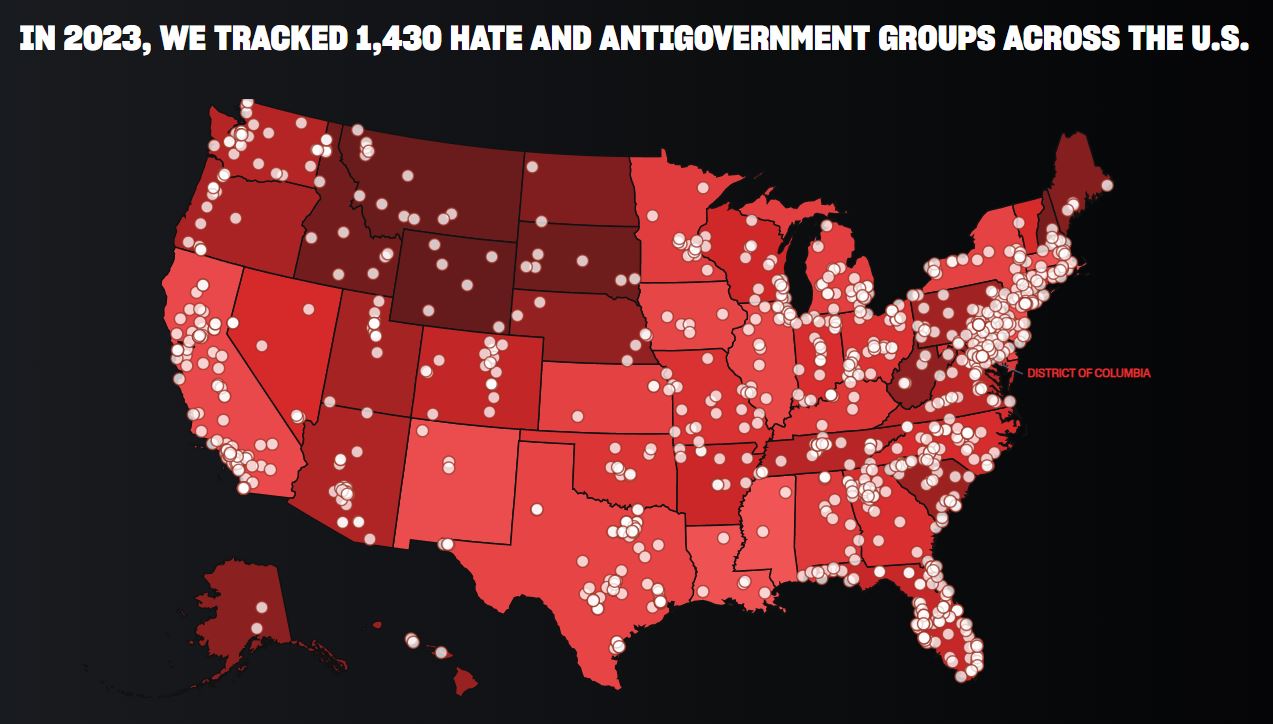
The Southern Poverty Law Center (SPLC) just hit a wall. For decades, it’s been the self-appointed hall monitor of American extremism, famously mapping "hate groups" from its headquarters in Montgomery and keeping a sharp eye on California’s far-right undercurrents. But now, the Trump administration’s Department of Justice (DOJ) has turned the monitors into the defendants.
Federal prosecutors are alleging that while the SPLC was busy asking you for money to fight "hate," they were actually funneling millions of those donor dollars directly into the pockets of the very extremists they claimed to be dismantling. It’s a messy, high-stakes indictment that includes wire fraud, bank fraud, and money laundering.
The $3 Million Shell Game
At the heart of the government's case is a secretive program that ran from 2014 to 2023. According to the indictment filed in the Middle District of Alabama, the SPLC "secretly funneled" more than $3 million to informants embedded in groups like the Ku Klux Klan, the Aryan Nations, and the National Socialist Party of America.
To keep these payments off the books, the DOJ says the SPLC set up a network of fake entities with names like "Center Investigative Agency" and "Rare Books Warehouse". Prosecutors argue this wasn't just "investigative costs." They’re calling it donor fraud. When you give money to a civil rights group, you usually expect it to fight the KKK, not provide them with a steady paycheck.
When Infiltrating Becomes Inciting
The most explosive detail involves the 2017 "Unite the Right" rally in Charlottesville. The DOJ alleges an SPLC informant—codenamed F-37—wasn't just watching from the sidelines. F-37 was reportedly a member of the leadership chat that planned the event and even helped coordinate transportation for attendees.
The DOJ’s acting attorney general, Todd Blanche, isn't pulling any punches. He’s claiming the SPLC was "manufacturing racism" to justify its own existence. If an organization pays someone to post racist content and organize rallies just so they can "report" on that same extremism, does the threat actually exist, or is it a subsidized performance? That’s the question a jury will have to answer.
The Defense: Standard Operating Procedure or Criminal Conspiracy?
The SPLC and its CEO, Bryan Fair, aren't backing down. They’re calling the charges "false accusations" and a politically motivated attack by the Trump administration. Their defense is pretty straightforward: you can't monitor violent underground groups without paying people who are already inside them.
They’ve admitted to using confidential informants to track threats of violence and claim they frequently shared this intelligence with the FBI and other law enforcement agencies. In their view, these payments were a necessary evil for national security.
The Political Fallout in 2026
This isn't happening in a vacuum. FBI Director Kash Patel already severed the bureau's ties with the SPLC late last year, labeling it a "partisan smear machine". Many conservatives have long complained that the SPLC’s "hate map" unfairly targets mainstream religious and political groups, effectively weaponizing its nonprofit status to silence dissent.
On the flip side, civil rights advocates worry this indictment is a blueprint for how a second Trump term will dismantle its critics. If the DOJ can successfully argue that "unreported informant payments" equals "donor fraud," any watchdog group that relies on undercover work is suddenly in the crosshairs.
What This Means for Your Donations
If you’re a donor to any advocacy group, this case is a massive wake-up call regarding transparency. Most people don't read the fine print of a nonprofit’s 990 tax form, but maybe they should start.
- Check for Transparency: Does the group disclose its methods for gathering intelligence?
- Verify Law Enforcement Ties: Are they actually helping the authorities, or are they operating as a private spy agency?
- Watch the Shell Companies: Legitimate nonprofits shouldn't need "Rare Books Warehouse" accounts to pay their bills.
The SPLC case isn't just about one organization anymore. It’s about whether a nonprofit can act like an intelligence agency without the oversight that comes with a government badge. As this moves toward trial, expect the line between "investigative journalism" and "criminal conspiracy" to get very, very thin.


