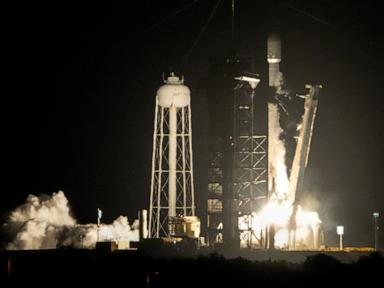
A discarded piece of human technology is about to smash into the lunar surface. It happens on August 5, 2026. The object is a Falcon 9 upper stage left over from a past lunar mission. It will hit the moon near the Einstein crater at a brutal 5,400 miles per hour.
People love to panic about space junk. They picture catastrophic chain reactions or falling debris destroying neighborhoods. This crash won't do that. The moon will simply absorb the blow. Yet, ignoring this event means ignoring a growing blind spot in our space program. We treat high-earth orbit like an open dumpster.
Astronomers tracking this specific booster point out a weird silver lining. We get a front-row seat to a controlled kinetic impact. Scientists aren't just shrugging. They are actively preparing to study the aftermath.
What Actually Happens When a Booster Hits the Moon
Physics doesn't care about corporate logos or public relations. When a five-ton chunk of aluminum and steel hits solid rock at seven times the speed of sound, energy releases fast. Calculations show the impact carries about 11.8 gigajoules of kinetic energy. That equals roughly 2.8 metric tons of TNT exploding.
The booster will vaporize instantly. It will carve out a fresh crater roughly 10 to 20 meters wide. More importantly, it will throw up an enormous plume of dust and pulverized rock.
Researchers modeling the event predict a central debris spike shooting up to 60 or 100 kilometers high. Because the crash site sits near the moon's western limb in daylight, seeing a direct explosion flash from Earth is unlikely. Amateurs with backyard telescopes might catch the lingering debris plume silhouetted against the black sky, though.
NASA's Lunar Reconnaissance Orbiter plans to fly over the impact zone shortly before and after the collision. They want to look at the fresh wound.
Turning Orbital Waste Into Science
Accidental crashes like this act as rare calibration tests for planetary scientists. Usually, researchers study ancient craters and guess what made them. Here, we know the exact mass, speed, and material composition of the impactor.
Benjamin Fernando, a researcher at Los Alamos National Laboratory, notes that knowing these exact parameters turns a piece of trash into a valuable data point. We can measure how the lunar regolith reacts under a precise load. This helps validate seismic models of the moon's interior. When future astronauts set up moon bases, understanding how the ground behaves under high-velocity impacts matters.
We are learning how to read the scars we leave behind.
The Mess We Are Leaving Up There
Finding humor or scientific value in a stray rocket booster misses the wider systemic failure. Space agencies and private companies launch cargo constantly. They rarely plan what happens to upper stages left stranded in high-earth or cislunar orbits.
This is not the first time a stray piece of hardware has taken an unplanned trip to the moon, and it won't be the last. Right now, tracking objects beyond low-Earth orbit remains messy. Ground-based telescopes pick up these wandering chunks mostly by accident. If we plan to establish permanent human settlements on the lunar surface, keeping highways clear of debris becomes mandatory.
We need stricter orbital disposal standards. Leaving multi-ton metal cylinders drifting through cislunar space until gravity catches them is sloppy engineering.
If you want to observe the aftermath yourself, look toward professional data releases from lunar orbiters in the weeks following August 5. Watch how science squeezes value out of our celestial garbage. Clean up your act, space industry. The moon isn't a landfill.