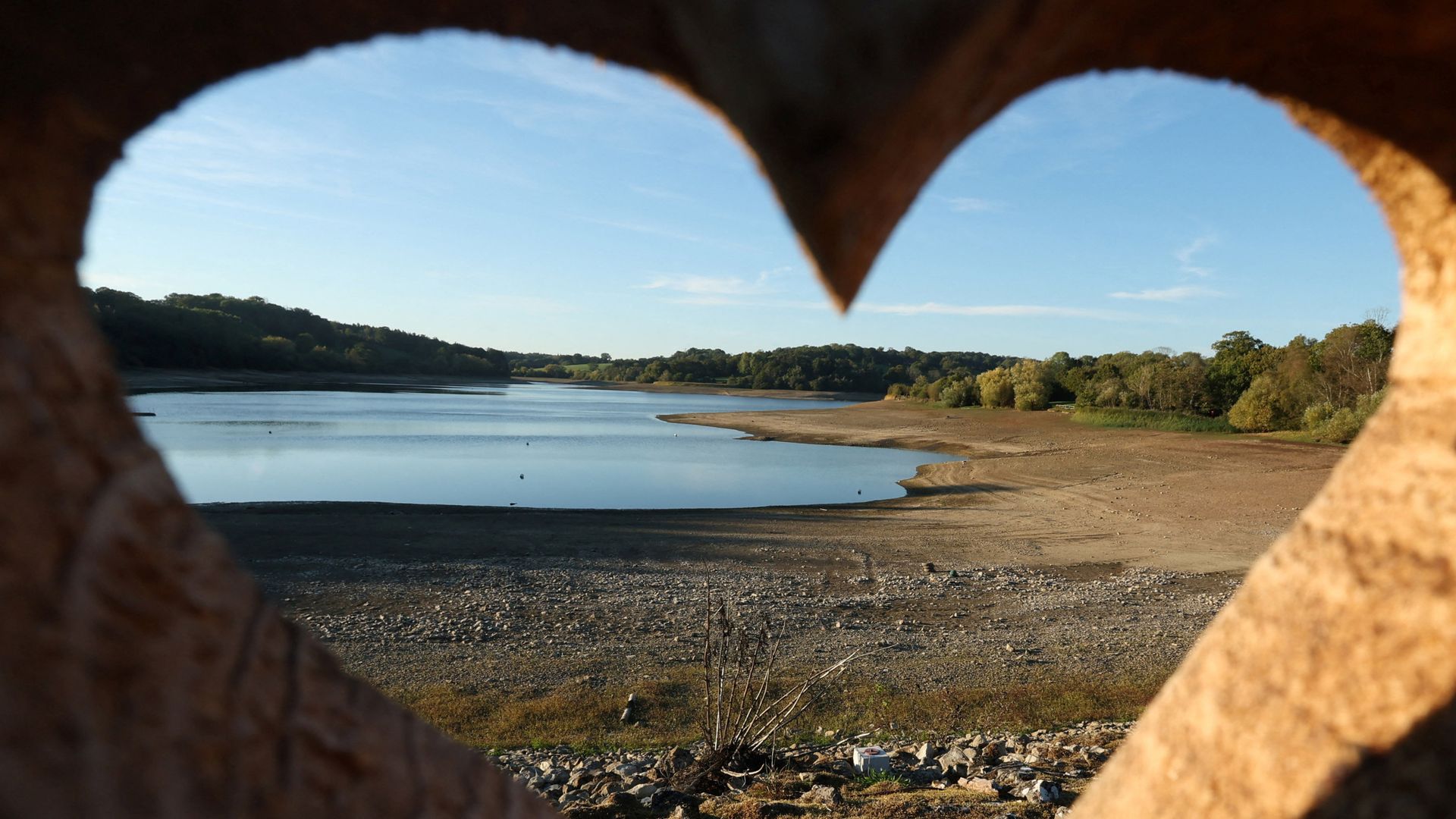
When authorities declare a severe drought across parts of southern England, the headline usually reads like a sudden weather shock. It rarely is. A formal drought status typically reflects months of low rainfall combined with depleted aquifers, stressed river flows, and reservoir storage falling below seasonal norms, yet the real vulnerability sits inside water infrastructure, demand management, and regulatory governance that were already strained long before the dry spell began.
I have covered resource shortages, utility balance sheets, and infrastructure bottlenecks for decades. When a region that averages substantial annual rainfall starts rationing water or tightening restrictions during dry stretches, weather is only half the story. The other half is how a dense, aging water network absorbs pressure when evapotranspiration climbs, groundwater recharge stalls, and competing claims from households, agriculture, and river ecology collide.
Why Dry Spells Turn Into Emergencies
Rain does not automatically become usable water. In parts of southern England, much of the local supply depends on chalk aquifers—porous, fractured rock formations that act like giant underground sponges—alongside surface reservoirs and river abstractions. When winter and spring rain fall short, those aquifers receive less recharge, meaning baseflow into chalk streams drops weeks or months later.
Timing matters more than raw totals. A heavy downpour baked onto hard, dry soil runs off quickly into drains and swollen channels rather than soaking slowly into groundwater. Meanwhile, warmer temperatures increase soil moisture loss and push plants and people to drink more at the exact moment supplies tighten.
A drought declaration is an administrative trigger, not the moment the deficit starts; by the time restrictions arrive, underground reserves have often been declining for seasons.
Consider a hypothetical example of a water zone fed primarily by a chalk aquifer and a single medium-sized reservoir. Suppose winter recharge reaches only sixty percent of its long-term average, followed by a warm, breezy spring. Even if a few thunderstorms pass through in early summer, evaporation and plant uptake claim most of the moisture, leaving river levels low and reservoir drawdown ahead of schedule.
The Lag Between Rainfall and Groundwater
Surface water reacts fast. Groundwater moves slowly. Because water percolates gradually through unsaturated rock down to the water table, a deficit in winter rain can show up as depressed borehole levels or sluggish springs well into summer and autumn.
That lag complicates public messaging. A few cool days or a passing shower can make residents feel the crisis has passed, even while groundwater levels continue to drift downward. Utilities have to manage for multi-month persistence, not just this week's forecast.
The Plumbing Behind the Shortage
Weather sets the stage, but water utilities and aging pipes determine how much of that water actually reaches a tap. Across much of England and Wales, leakage rates remain a stubborn point of friction between companies, regulators, and customers. Every liter lost to a cracked main or corroded service pipe is a liter that had to be pumped, treated, and pushed through the network for nothing.
Patching leaks sounds simple until you look at scale and cost. Digging up busy urban streets, replacing decades-old cast-iron mains, and managing pressure without triggering new bursts require sustained capital spending and skilled crews. When utilities face tight cost allowances, enforcement penalties, or shifting investment priorities, maintenance backlogs tend to accumulate quietly.
- Supply-demand balance depends on realistic forecasts of population growth, housing development, and per-capita consumption, all of which can shift faster than major new transfer pipelines get built.
- Transfer links—moving water from wetter or better-supplied areas to drier catchments—face long permitting timelines, environmental assessments, and local pushback.
- Treatment works designed for typical seasonal river quality can face operational adjustments when low flows concentrate nutrients, sediment, or algae.
There is a real tension in how water bills and infrastructure investment are debated. Raising charges to fund pipe replacements and new storage draws immediate anger from households already squeezed by living costs. Holding bills down or delaying major works saves money today while leaving the system more brittle when dry weather hits.
Competing Claims on Every Drop
A severe drought in southern England is never just a household story. Agriculture, commercial users, and aquatic ecosystems all draw from the same stressed hydrological system, often with conflicting priorities and legal rules.
Farmers in dry eastern and southern counties rely on irrigation for high-value crops such as potatoes, vegetables, and soft fruit during critical growth windows. Abstracting water when river flows are low can hurt fish, invertebrates, and wetland plants, yet restricting irrigation during peak growing weeks can ruin yields and squeeze domestic food production. Regulators have to weigh short-term ecological protection against farm viability and food supply chains.
Chalk Streams Under Pressure
Southern England holds a high share of the world's chalk streams, clear, spring-fed rivers prized for their biodiversity and stable temperatures. Paradoxically, their steady nature makes low flows acutely disruptive. When water levels fall, shallower stretches warm faster, dissolved oxygen can drop, and habitat shrinks for species adapted to consistent flow.
Environmental groups often argue that abstraction licenses—legal permissions allowing companies, farms, or industry to take water—were historically too generous for modern climate conditions. Revising old licenses sounds straightforward in principle, yet doing so without reliable alternative supplies creates hard trade-offs for local economies and water security.
Demand, Meters, and Behavioral Blind Spots
When supply is tight, managing water demand is often faster and cheaper than building a new reservoir. Yet getting people to use less water consistently is harder than handing out conservation tips.
Smart meters and water metering help by making usage visible and encouraging leak detection on customer properties. Still, metering alone does not slash consumption overnight if household habits, garden watering, or inefficient appliances go unchanged.
- Outdoor watering spikes sharply during warm, dry spells, putting sudden peak pressure on local distribution networks even when indoor use stays steady.
- Household efficiency gains—such as low-flow showerheads, modern dishwashers, and fixing dripping cisterns—add up gradually across thousands of homes rather than through a single dramatic shift.
- Temporary use bans can curb non-essential outdoor demand quickly, though compliance and enforcement vary, and some critics argue restrictions arrive late relative to reservoir depletion.
There is also an overlooked equity question. Families in larger homes or warmer microclimates may use more water out of necessity or routine, while flat-rate or tiered billing structures affect households differently. Policy choices around tariffs and drought permits carry social and political weight that technical hydrology alone cannot resolve.
Governance, Accountability, and What Comes Next
Drought management sits at the intersection of environment agencies, economic regulators, water companies, and central government. When restrictions hit, blame rarely lands in one place. Regulators point to company operational performance; companies point to planning hurdles, climate extremes, and regulatory constraints; residents point to leaks and executive pay or dividends.
That finger-pointing erodes public trust right when cooperation matters most. If customers believe a utility is losing massive amounts of treated water through leaky pipes while asking them to limit garden hoses, conservation messages lose moral authority. Transparency on leakage, reservoir levels, and drought orders is essential, even when the numbers are uncomfortable.
Why Long-Term Fixes Take Years
Building a new reservoir or major regional transfer scheme is measured in decades, not election cycles. Land acquisition, environmental licensing, supply-chain bottlenecks, and construction costs routinely stretch timelines and budgets.
Because big infrastructure moves slowly, near-term resilience relies on unglamorous fundamentals: cutting leakage steadily, tightening demand management, protecting groundwater recharge where possible, and updating abstraction rules before emergencies force hasty moves. None of those steps eliminates weather risk, and every one of them involves trade-offs that policymakers and utilities have to own openly.
Check your local water company's current drought status, reservoir levels, and temporary use restrictions, and inspect your home for hidden leaks—such as a running toilet or dripping outdoor tap—before dry weather tightens rules further.