The dawn over Marib does not arrive with the gentle whisper of gold filtering through clouds. It comes with a dull, concussive thud that vibrates in the teeth before it reaches the ears. For Tariq, who sits on the concrete floor of a partially collapsed storefront sipping lukewarm tea, that sound is not a notification on a glowing screen or a headline from a distant news ticker. It is the metronome of survival.
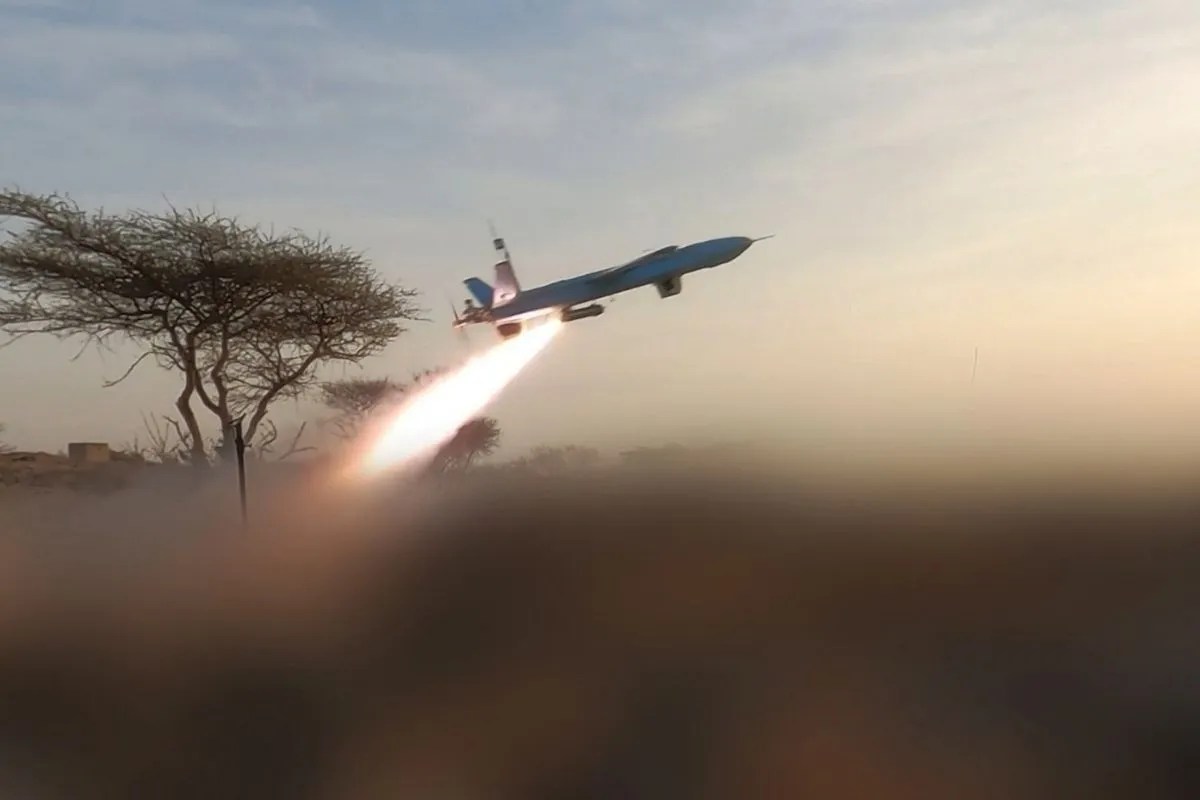
Tariq remembers when this ancient city was known mostly for its dam, a marvel of ancient engineering that once coaxed green life from an unforgiving desert. Now, the desert belongs to iron and fire. Overhead, the sky roars. Saudi-led coalition jets streak past, leaving jagged white scars across the blue, answering the persistent threat of Houthi drone strikes and ballistic missiles with thunderous payloads of their own. The tension here has reached a breaking point, a fever pitch where every shadow is suspect and every horizon burns.
To understand the smoke choking Marib, you have to look beyond the cold statistics of shifting frontlines and ballistic trajectories. You have to look at the geometry of desperation.
Months ago, the escalation shifted from a simmer to a boil. Houthi forces intensified their offensive pushes toward Marib, recognizing the city not merely as a strategic prize, but as the economic crown jewel of the internationally recognized government. Capturing Marib means seizing control of critical oil and gas fields, shifting the balance of power decisively across the fractured map of Yemen. It is a high-stakes chess match played with human lives, where every pawn sacrificed carries a name, a family, and a home turned to dust.
In response, the Saudi-led coalition increased its aerial bombardment campaign, targeting Houthi staging grounds, supply lines, and command nodes in and around the contested city. The explosions light up the night in violent shades of orange and violet, casting long, skeletal shadows across ancient ruins that have witnessed millennia of conflict. But the bombs do not discriminate between combatants and the quiet millions simply trying to wait out the storm.
Consider the sheer exhaustion of the displaced families packed into makeshift camps on the city's ragged edges. These are people who have fled their homes twice, sometimes three times, chasing the receding mirage of safety. They live under tattered canvas sheets that snap violently in the desert wind, listening to the jets scream overhead. When the earth shakes from an airstrike miles away, a child does not calculate the military objective or analyze the geopolitical strategy. The child simply reaches out in the dark and clutches a mother's hand. That is the true theatre of war. Not the briefing rooms in Riyadh or Sanaa, but the dirt floor of a tent where hope feels like a luxury no one can afford.
The escalation between the Houthi movement and the coalition represents a tragic paradox. Each strike aimed at securing a military advantage only deepens the humanitarian abyss. Supplies dwindle. Hospitals operate on flickering generators and dwindling stocks of gauze and painkillers. Inflation makes a sack of flour cost more than a month's wages, turning the simple act of feeding a family into an impossible daily miracle.
Yet, beneath the rubble and the rhetoric, human resilience persists in stubborn, quiet ways. Tariq still sweeps the threshold of his ruined shop every morning, clearing away the fine grit of pulverized concrete. A group of neighbors gathers by a functioning well, trading quiet news and sharing what little water they have. They are not waiting for a miraculous political breakthrough or a sudden diplomatic thaw. They have lived through enough shattered ceasefires to know that peace is rarely handed down from above. It has to be scraped out of the dirt, one fragile day at a time.
The jets will eventually clear the sky. The smoke over Marib will thin, drifting away on the indifferent desert winds to mingle with the dust of centuries past. When that day comes, the maps may show red lines shifted or blue lines erased, but the true measure of this conflict will not be found in territory won or lost. It will be carved into the silence left behind in empty chairs, in the haunted eyes of children who forgot how to laugh without looking upward, and in the enduring refusal of a weary people to let their humanity be completely bombed out of existence.