The afternoon air in Dhaka carries a distinct, heavy weight. It is a mixture of humidity, exhaust fumes, dust from endless construction, and, on certain fragile days, the sharp, metallic tang of fear.
Consider the moment a crude bomb detonates in a crowded thoroughfare. To an outside observer reading a morning headline, it is a data point. A statistic in a rising tally. Five hundred arrested. Security tightened. Multiple blasts. The numbers roll off the tongue with clinical detachment. But on the ground, away from the sterile glow of news tickers, the reality is measured in shattered glass, the frantic screech of car tires, and the sudden, breathless silence that falls over a neighborhood before the sirens begin to wail.
Imagine a fictional commuter, Rahim, standing at a busy intersection near Paltan. He is clutching a worn leather briefcase, waiting for a bus that seems perpetually delayed. The street hums with the familiar chaos of rickshaws, auto-rickshaws, and pedestrians weaving through traffic like water around river stones. Then comes the concussive thud. It is a sound that vibrates in the chest cavity before it even reaches the ears. A plume of grey smoke unfurls lazily above the canopy of street signs.
In that split second, the city transforms. The vibrant, chaotic choreography of daily life fractures. People scatter. Shop shutters clang down in a deafening domino effect. Rahim finds himself pressed against a brick wall, his heart hammering against his ribs, wondering not about political theory or strategic alignments, but whether his children have safely reached school.
This is the human cost of violence in the capital of Bangladesh. It is an assault not just on concrete and steel, but on the psychological baseline of millions of citizens who simply want to earn a living, buy their evening groceries, and return home in one piece.
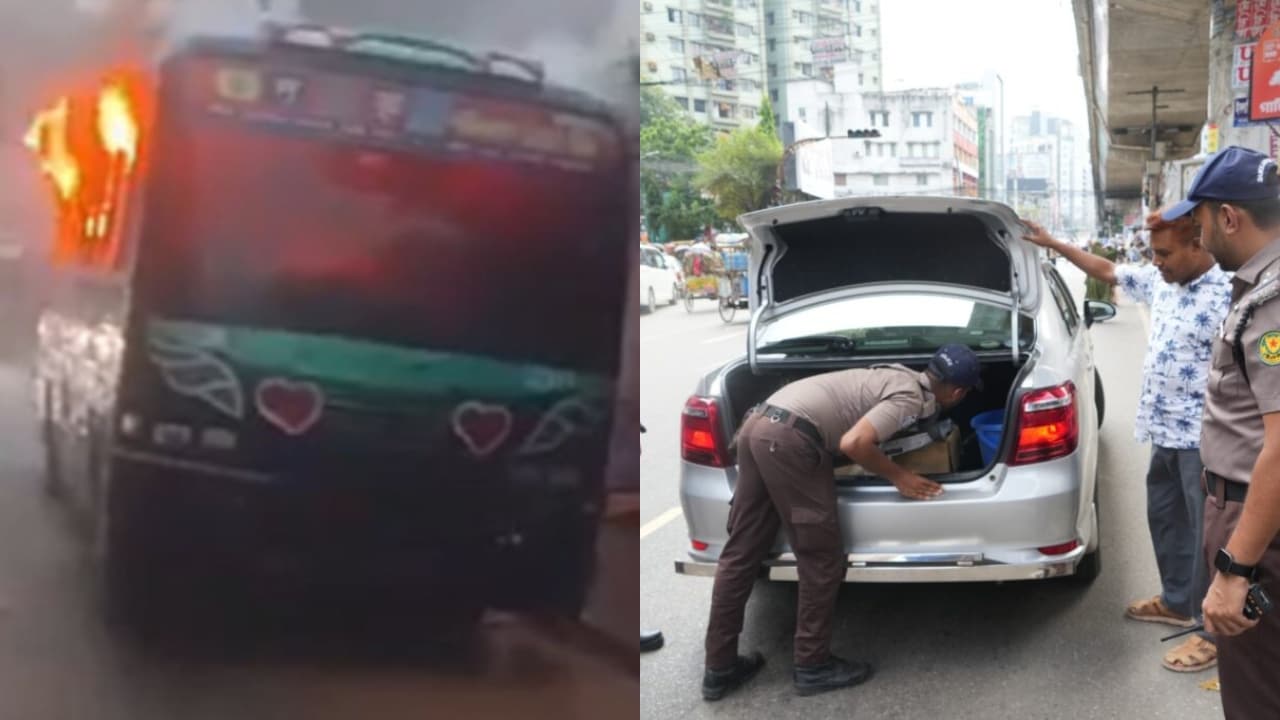
When multiple crude bombs rupture the peace of a metropolis, the response is swift and heavy-handed. The state machine jolts into motion. Within hours, checkpoints sprout like jagged teeth across major arteries. Police cordons restrict movement. Armored personnel carriers idle near strategic junctions, their diesel engines rumbling a bassline of intimidation and authority.
Five hundred arrests. That is the figure reported by law enforcement agencies scrambling to regain control. Five hundred individuals swept up in nighttime raids, checkpoint stops, and suspicion-laced interrogations. For the authorities, every arrest is framed as a necessary surgical strike against anarchy. Every detained suspect represents a potential threat neutralized.
Yet, the arithmetic of mass arrests is rarely simple. In the wake of heightened security, the boundary between the guilty and the merely unfortunate blurs. Families wait outside police stations clutching identity documents and desperate pleas, asking officers who refuse to make eye contact about sons, brothers, and uncles swept away in the wide net of state security. The tension on the streets is palpable, hanging thick in the humid air like an impending monsoon storm.
To understand why Dhaka finds itself repeatedly walking this precarious tightrope, one must look beneath the surface of immediate headlines. The city is a pressure cooker. It is a booming megacity where rapid economic expansion rubs shoulders with deep-seated political polarization, economic inequality, and historical grievances.
Political friction in Bangladesh has long found a physical outlet on the streets. Crude bombs—improvised, volatile devices packed with chemicals and shrapnel—are cheap to manufacture and devastatingly effective at sowing terror. They do not require sophisticated military supply chains. They require only anger, opportunity, and an environment where extreme actors believe disruption is their only remaining megaphone.
When these devices go off, they are designed to send a message. But the message is often drowned out by the sheer terror experienced by ordinary bystanders. A rickshaw puller whose livelihood depends on the day's earnings loses hours of income as streets are locked down. A university student trying to study for exams sits by a window rattling from distant sirens, wondering if tomorrow's classes will be canceled. A small business owner watches foot traffic dry up completely, dreading the rent payment due at the end of the month.
The ripple effects of such violence extend far beyond the blast radius. They infect the collective psyche. They breed a quiet, corrosive cynicism. People become hesitant to congregate, suspicious of unattended bags, and weary of the endless cycle of escalation and retaliation.
Security tightening brings a temporary illusion of order. Concrete barriers and barbed wire create a physical barrier between chaos and calm. Soldiers and police officers stand watch under the glaring afternoon sun, their uniforms soaked in sweat, their expressions hardened by vigilance. They are guarding intersections, government buildings, and transit hubs, operating under the constant awareness that a single lapse in attention could invite catastrophe.
But force alone cannot heal the fractures running through the societal bedrock. A city cannot police its way into lasting harmony. When the heavy boots depart and the checkpoints are eventually lifted, the underlying grievances that birthed the violence remain largely unaddressed.
Consider the perspective of a local shopkeeper near the site of one of the explosions. He spends his morning sweeping up fragments of glass from his storefront, muttering under his breath. He has seen this script before. Governments change, political alliances shift, security measures tighten and relax, but the rhythm of anxiety persists. He does not talk about geopolitical strategy. He talks about survival. He talks about the cost of rice, the safety of his grandchildren, and the exhaustion of living in a place where peace feels like a temporary ceasefire rather than a permanent state of being.
This vulnerability is shared by everyone navigating the urban landscape of Dhaka. It is a vulnerability born of resilience, too. Because despite the explosions, despite the sudden sweeps and the pervasive dread, the city refuses to grind to a permanent halt.
By the following morning, defying the lingering smoke and the heavy security presence, vendors roll out their carts. Commuters crowd back onto buses, albeit with a sharper edge to their watchfulness. Children walk to school holding their parents' hands, stepping past the scorched patches of asphalt where emergency crews washed away the debris hours earlier.
This stubborn refusal to succumb to despair is the truest narrative of Dhaka. It is not defined solely by the men who light crude fuses in the dark, nor by the heavy hand of the state rounding up suspects in the grey light of dawn. It is defined by the resilience of ordinary people who wake up every single day and choose to rebuild their lives in the rubble of uncertainty.
The sirens will eventually fade. The barricades will be hauled away to the edges of the city, waiting for the next crisis. But the fundamental question facing the capital remains unanswered. How does a society move past the cycle of fear? How do its leaders bridge the divides that turn neighborhoods into battlegrounds?
Until those questions find meaningful answers, the smoke over Dhaka will remain a haunting reminder of how fragile peace truly is.
As dusk settles over the Buriganga River, casting long, amber shadows across the bustling docks, the city pauses for a brief, deceptive breath. The minarets echo with the call to prayer, cutting through the din of traffic and police radios. Down by the water, a lone boatman rows steadily against the current, his wooden oars dipping rhythmically into the dark water, moving forward into an uncertain night while the city watches and waits.