Defense tech media is currently obsessed with a comforting lie: the idea that bolting an algorithmic optic onto a standard rifle suddenly turns an average soldier into a sniper.
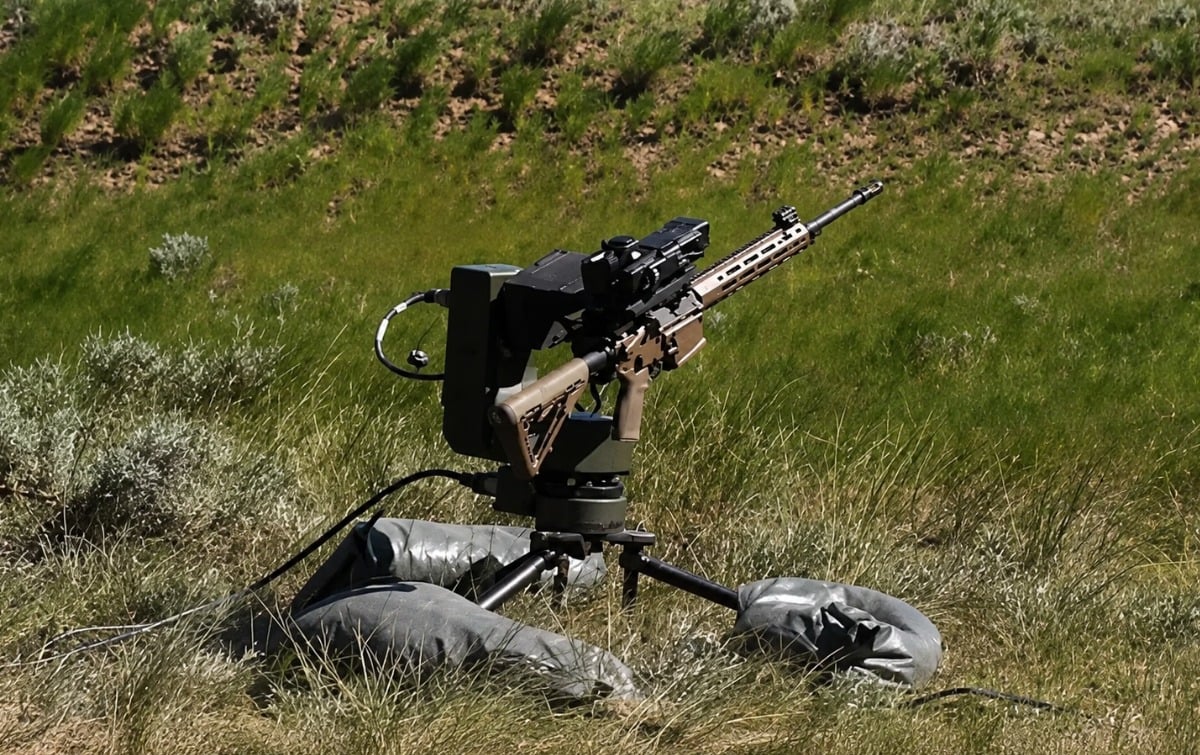
The latest round of applause follows reports of Israel expanding its procurement of Smart Shooter’s SMASH fire control systems. The narrative writes itself. A military faces complex urban threats and drone swarms; a tech company provides an artificial intelligence-assisted "one shot, one hit" solution; the media celebrates the arrival of sci-free, automated precision.
It is a neat, marketable story. It is also fundamentally flawed.
Military procurement offices are falling over themselves to buy into the myth of algorithmic marksmanship. They are treating a highly specific tactical band-aid as a structural revolution. The reality on the ground is far messier, dictated by battery life, training degradation, and the immutable laws of physics that no software update can fix.
The Precision Trap: Why Guarantees Fail at 300 Meters
The lazy consensus among defense analysts is that systems like the SMASH 2000L or SMASH X4 eliminate human error. The marketing promises that the optic locks onto a target and prevents the weapon from firing until the alignment is mathematically perfect.
To anyone who has never carried a rifle in a combat zone, that sounds like a triumph. To anyone who has, it sounds like a liability.
External ballistics do not care about software locks. While an algorithmic system can calculate target lead and elevation based on real-time laser rangefinding, it cannot predict a sudden micro-gust of wind tearing through a narrow urban alleyway. It cannot account for ammunition variance—differences in powder charge or projectile weight between rounds in the exact same magazine.
More importantly, it fundamentally misinterprets the reality of human panic.
When a soldier is under fire, their heart rate spikes past 150 beats per minute. Fine motor skills evaporate. A system that overrides the trigger pull until the sight alignment is "perfect" can introduce a catastrophic delay. In a close-quarters engagement, a fraction of a second spent waiting for an AI algorithm to approve a shot is the difference between living and dying. The system assumes a cooperative user operating in a vacuum. Combat is not a vacuum.
The Drone Fallacy: The Wrong Tool for a Swarm Fight
The strongest justification for the adoption of these automated optics is the rising threat of small Unmanned Aerial Vehicles (UAVs). Media reports consistently highlight how these rifle-mounted fire control systems allow ground troops to down commercial quadcopters with standard 5.56mm or 7.62mm kinetic rounds.
This is a classic case of solving yesterday's problem with today's shiny object.
+-------------------------------------------------------------+
|               THE ANTI-DRONE CAPABILITY GAP                 |
+-------------------------------------------------------------+
| SMASH OPTICS:                                               |
| - Line of Sight Only                                        |
| - Single Target Engagement                                   |
| - High Cognitive Load on Individual Infantryman             |
+-------------------------------------------------------------+
| MODERN SWARM THREATS:                                       |
| - Multi-Directional, Low-Altitude Attack Vectors            |
| - Electronic Warfare Resilience                             |
| - Saturation Tactics Designed to Overwhelm Kinetic Fire     |
+-------------------------------------------------------------+
Using an individual infantryman armed with an advanced optic to shoot down a drone is an unsustainable operational strategy. It turns highly trained combat troops into static anti-air batteries. If a squad faces a coordinated swarm of five or ten low-cost loitering munitions, a rifle-mounted system that requires a manual point-and-lock sequence for every single target will be completely overwhelmed.
True counter-UAV doctrine requires localized electronic jamming, directed energy weapons, or automated kinetic fragmentation systems like automated shotguns or net-launchers that cover wide areas. Expecting a soldier to track a high-velocity drone through a 4x magnified optic while receiving incoming fire is a tactical fantasy.
The Logistics Crisis: Batteries, Weight, and Training Decay
Every piece of technology added to a service rifle comes with a hidden tax. Defense contractors love to show sleek promo videos of clean operations. They rarely show the infantryman carrying sixty pounds of gear plus a crate of specialized lithium-ion batteries into a three-week deployment in mud and dust.
Let's look at the cold math of infantry gear:
- Weight Penalty: Adding a fire control optic adds roughly 1.5 to 2.5 pounds directly to the top rail of the weapon. This completely alters the center of gravity of the rifle, increasing operator fatigue during extended patrols.
- The Power Dependency: If the battery dies, or if extreme desert heat degrades the cell capacity, the weapon reverts to an overpriced, heavy iron sight. A soldier cannot afford to worry about a "low battery" warning on their primary weapon system.
- Skill Atrophy: This is the most dangerous consequence. When units begin relying on automated assistance to achieve hits, basic marksmanship training inevitably suffers. If the system fails due to electronic warfare or physical damage, you are left with a soldier who has forgotten how to calculate windage, elevation, and lead manually.
I have watched defense tech firms spend millions trying to engineer away human error, only to create a fragile ecosystem that shatters the moment it encounters real-world friction.
Dismantling the Defense Acquisition Bias
The "People Also Ask" sections of defense forums are flooded with variations of: Does AI make infantry weapons more lethal?
The brutal, honest answer is no. It makes them more expensive.
The procurement bias toward high-tech optics is driven by a desire for a quick fix. It is far easier for a military bureaucracy to sign a multi-million dollar contract for a box of smart scopes than it is to completely overhaul infantry training pipelines, invest in realistic live-fire shoot houses, or improve basic tactical doctrine.
We are treating infantry rifles like fighter jets, assuming that more sensors and more software will inevitably yield better outcomes. But a rifle is not a jet. It operates in dirt, blood, and chaos.
The Vulnerability Nobody Talks About
If your weapon system relies on computer vision to identify and lock onto targets, it is fundamentally vulnerable to algorithmic deception.
Adversarial machine learning is already a reality. A simple geometric pattern worn on a vest, a specific frequency of infrared strobing, or even localized smoke can completely confuse the target detection software of an automated optic. While a human eye can easily recognize a camouflaged enemy soldier shifting positions behind a concrete wall, an algorithmic sensor looking for specific contrast boundaries can easily be spoofed.
When you hand control of the trigger over to software, you open the door to electronic counter-measures on the individual rifle level. That is an unacceptable vector of risk.
Stop pretending that bolting a mini-computer to an M4 solves the timeless, brutal complexities of infantry combat. True lethality lies in physical fitness, aggressive discipline, and relentless, repetitive training. The moment you rely on an algorithm to pull the trigger for you, you have already surrendered the initiative to an enemy who relies on nothing but raw skill and adaptation. Turn off the screen, strip the weight off the rail, and learn how to shoot.