Stop crying about FIFA.
Every time a mega-event rolls into a major metropolitan hub, local commercial associations trot out the exact same tired, tear-soaked script. We are seeing it play out right now in Vancouver as BC Place prepares to host seven matches. Local shop owners are taking to the cameras to complain about road closures, aggressive trademark enforcement, and a lack of direct government handouts to help them "prepare." They are calling it "billionaire greed." For another look, check out: this related article.
Let's cut through the emotional noise. If your business is failing to capitalize on the single largest sporting event on earth, it is not because Gianni Infantino personally hates your boutique. It is because your business model relies on a predictable, hyper-local subsidy of convenience that cannot survive actual global competition.
I have spent two decades analyzing urban economic shifts during massive sports infrastructure shocks. I have seen companies throw millions at unvetted sponsorship compliance, and I have seen street-level retailers go dark because they expected foot traffic to magically warp through a security perimeter. The recent Merchant Growth survey proves the point: 63 percent of British Columbia businesses do not expect any revenue impact from the tournament. Nearly half say they will not benefit at all. Related coverage on the subject has been shared by The Motley Fool.
They are entirely right, but for all the wrong reasons. They will not benefit because they are playing static defense in a dynamic arena.
The Myth of the Automatic Windfall
The foundational error small business owners make is assuming a mega-event operates like a massive, uncoordinated street festival. It does not. A World Cup is a highly corporate, insular ecosystem designed to extract value and concentrate it within explicit parameters.
When hundreds of thousands of international tourists land at YVR, they are not looking to buy specialty pet supplies three neighborhoods away or book a routine physical therapy session during match day. They are consuming an experience.
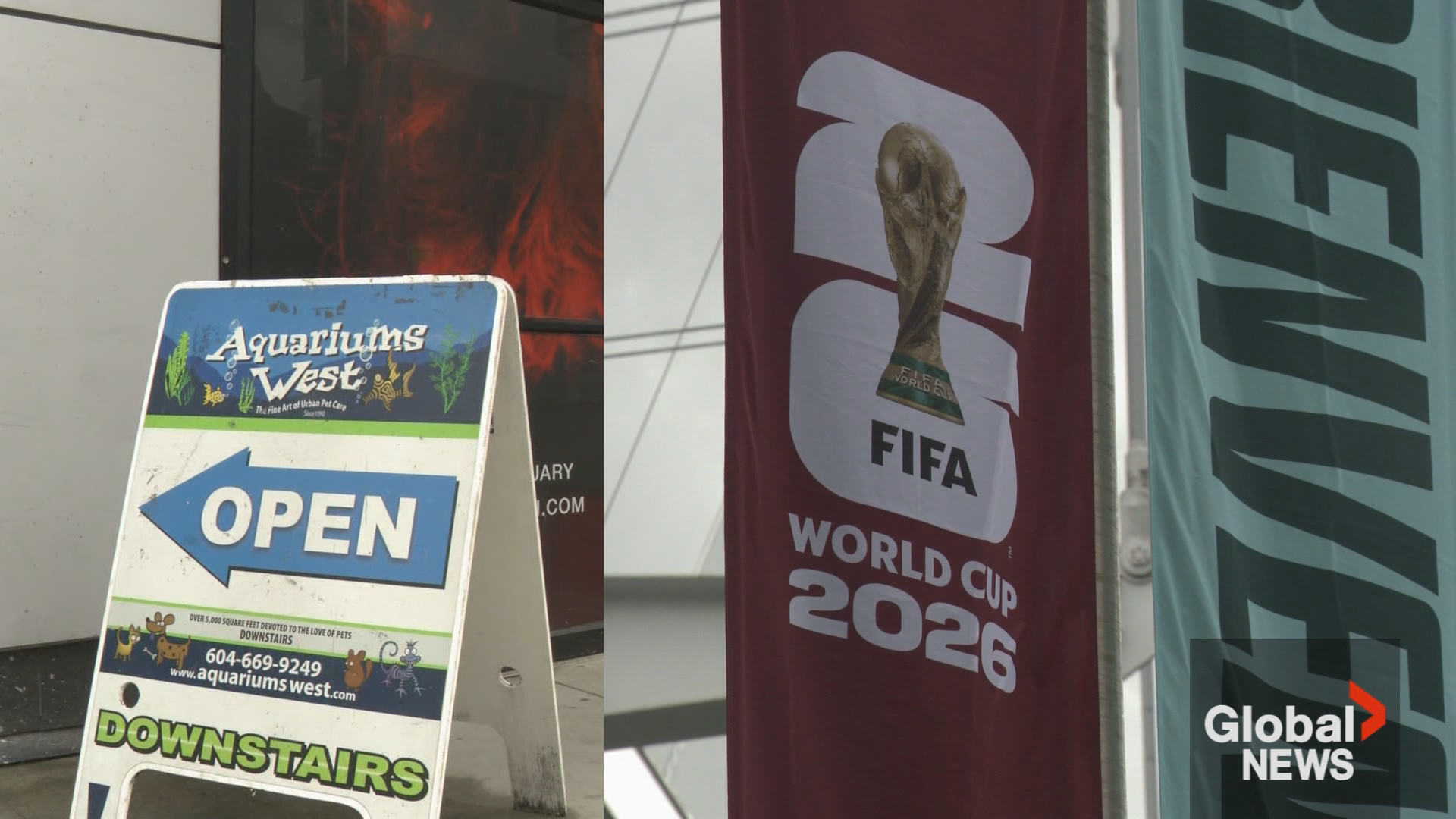
Consider the public complaints from local retailers lamenting the strict enforcement of FIFA’s intellectual property. A pet store owner expresses shock that she cannot advertise un-licensed, soccer-themed toys using the tournament’s branding. This is basic commercial literacy. Expecting a multi-billion-dollar apparatus to allow free-riding on its global trademark is peak naive entitlement.
The Reality Check: You do not have an inherent right to profit off a billion-dollar brand identity just because the spectacle is happening within your municipal boundaries.
If your marketing strategy relies on unauthorized ambush marketing, you do not have a strategy. You have a prayer.
Displacement is Real, and It Punishes the Rigid
Let’s address a legitimate macroeconomic mechanism that the "billionaire greed" crowd fundamentally misunderstands: the displacement effect.
Academic consensus from sports economists like Victor Matheson has proven for decades that mega-events rarely add massive net-new economic value to a city during peak seasons; instead, they swap out the clientele.
[Regular Tourists / Locals] ---> DISPLACED BY ---> [High-Spending Football Fans]
June and July are already peak tourism months for the Pacific Northwest. The hotels would have been booked. The restaurants would have been full. The World Cup simply replaces the standard cruise-ship passenger and regional vacationer with a highly specific, hyper-focused sports consumer.
If you run an aquarium supply shop or a specialized wellness studio near the stadium core, your regular local clientele will actively avoid your block due to road closures and security barricades. If your operational response is to simply close your doors for seven days and complain to the press about lost hours, you are admitting that your business lacks the agility to pivot its offering to the actual human beings standing outside your window.
Imagine a scenario where instead of shuttering, a retail space adjacent to the stadium corridor shifts its entire physical footprint to high-margin, high-velocity convenience items tailored to match-day crowds—hydration, mobile power, quick-service beachwear, or short-term luggage holding. That requires capital, speed, and risk tolerance. Closing down and blaming Swiss soccer executives requires none of those things.
The Operational Speed Gap
The Merchant Growth data highlights another glaring issue: 19 percent of small businesses state that rising operating costs left them with zero budget to invest in World Cup preparation, while others claim they couldn't get financing fast enough.
This is where the structural weakness of the independent retail sector gets exposed. In business, speed is a capital requirement. If your operation is running on margins so thin that you cannot secure short-term working capital or adapt your inventory two weeks out from a global influx of wealth, the tournament didn’t break your business. It merely exposed that your business was already broken.
The consumers are ready to spend. Independent polling from the Angus Reid Institute indicates that roughly one-third of British Columbians plan to watch the matches specifically at local independent establishments, anticipating an average spend of $49 per visit on food and drinks alone. The demand is sitting on a silver platter.
The businesses losing out are the ones failing to bridge the gap between what they want to sell and what the market currently demands.
How Winners and Losers Segment the Market
| Business Reaction Type | Operational Move | Economic Outcome |
|---|---|---|
| The Reactive Complainer | Closes doors, keeps standard inventory, blames municipal infrastructure. | Direct revenue loss; alienates regular staff over cut hours. |
| The Ambush Marketer | Attempts to use unlicensed IP, gets hit with cease-and-desist orders. | Legal liability; wasted promotional spend. |
| The Agile Pivot | Secures fast private capital, shifts to high-velocity experiential offers, caters directly to fan demographics. | Captures maximum share of the localized $49-per-head fan spend. |
Dismantling the "People Also Ask" Delusions
When analyzing the local blowback to major tournaments, the collective internet usually asks the wrong questions. Let’s correct the record on the structural mechanics of hosting.
Do mega-events hurt small businesses?
Only if those businesses refuse to alter their target demographic. A world-class sporting event changes the foot-traffic anatomy of a city for a month. If your retail strategy relies entirely on cheap, accessible parking directly in front of your storefront, a stadium event will choke your revenue. The event doesn't hurt businesses; it punishes geographic and operational stubbornness.
Why doesn't the government subsidize local retailers during the World Cup?
Because public money shouldn't act as a hedge against market changes. Taxpayers are already on the hook for an estimated $729 million in hosting costs across municipal, provincial, and federal lines to provide security, logistics, and stadium upgrades. Using additional public funds to insulate independent stores from temporary traffic diversions is fiscal insanity.
Adapt or Clear the Way
The harsh truth is that global cities host global events to elevate their macroeconomic profile on a multi-decade horizon. It is a long-term branding exercise for the region, not a short-term cash injection for immediate neighbors.
If your enterprise cannot handle a temporary shift in urban logistics, or if your entire value proposition relies on the city remaining quiet, predictable, and small, you are operating in the wrong century. Stop waiting for FIFA, the city council, or the province to hand you a playbook or a compensation check. The crowds are coming, the streets are closing, and the capital will flow to the operators who know how to take it.
The rest can keep talking to the news cameras.