The morning air did not feel like danger. It felt heavy, thick with the kind of coastal moisture that usually just sticks to windshields and makes hair curl. By mid-morning, however, the horizon turned a bruised, menacing shade of slate. The wind changed its mind. It stopped being a breeze and became a fist.
Across the Northeast, a sudden atmospheric violence tore through quiet beach towns and bustling asphalt grids alike. This was not the gentle patter of a summer rain. This was a system that meant business, descending with little warning to transform familiar morning commutes into aquatic nightmares.
Consider what happens next: a flash of jagged light, a concussive roar that rattles teeth, and the sudden realization that the curb is no longer visible.
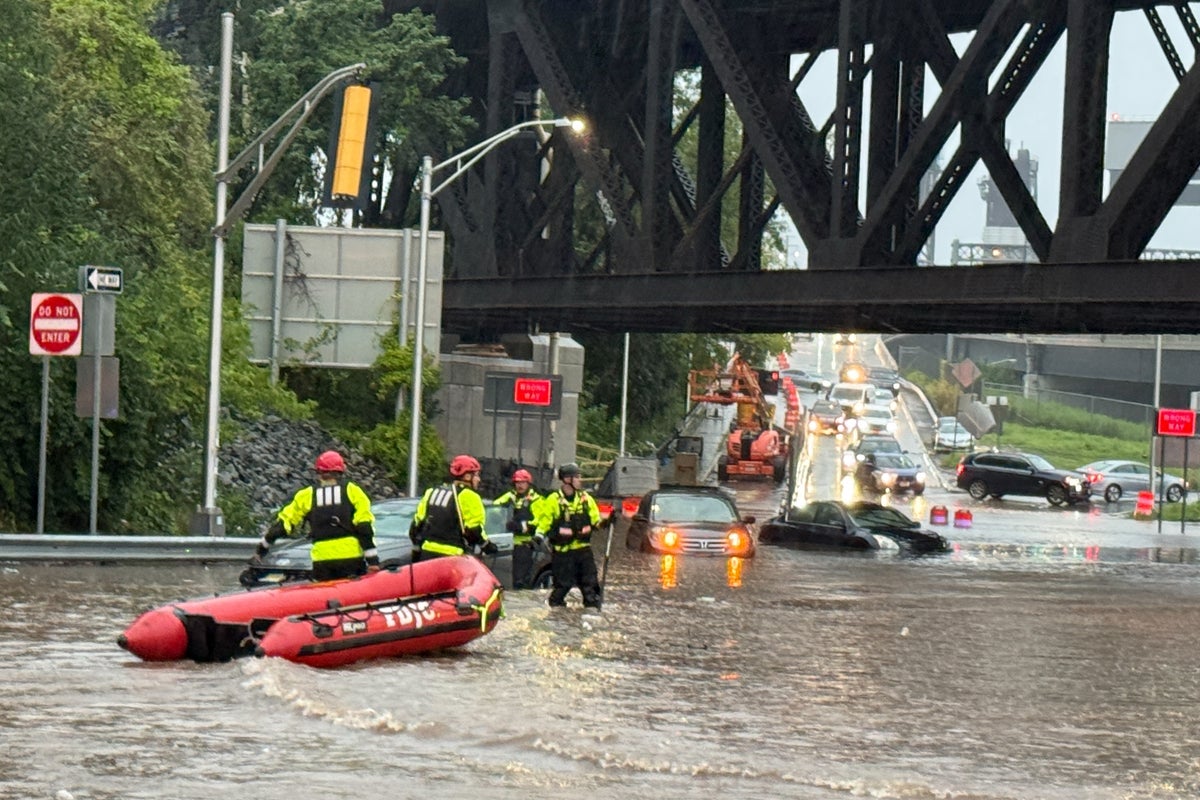
Water does not care about your schedule. It does not care that you have a meeting at eleven, or that your groceries are in the back seat, or that your tires are relatively new. When a sudden storm drops inches of rain in mere minutes, gravity takes over with ruthless efficiency. Low-lying coastal roads vanish beneath murky tides. Underpasses turn into underground swimming pools.
Imagine sitting behind the steering wheel as the amber dashboard lights flicker. (Note: this scene is a composite dramatization based on numerous driver accounts from the event). Outside, the world is gray and blinding. The water creeps up the rubber seals of the doors. First it kisses the floor mats. Then it reaches the glove box. At a certain point, the engine gasps, coughs, and dies.
Silence follows. A heavy, dripping silence, broken only by the slosh of brown water against metal doors.
Meteorologists talk about radar loops, convective available potential energy, and low-pressure anomalies. They use terms like severe thunderstorm warnings and coastal flood advisories. But behind the jargon lies a raw, visceral human experience. People trapped in office buildings watching their sedans slowly turn into boats. Lifeguards rushing to secure equipment as dark funnels flirt with the coastline, spinning menacingly over sand and surf before touching down.
Reports began flooding emergency dispatchers before noon. A possible tornado had touched down near the shore, stripping siding off seaside cottages and flinging patio furniture like confetti. Minutes later, the squall line marched inland, dumping torrential sheets of water onto highways that were never engineered to swallow that much volume that fast.
We forget how fragile our infrastructure really is. We pour concrete, lay asphalt, and build storm drains designed for yesterday’s weather. We assume the system holds. We trust the pavement.
Then the sky splits open.
The economic cost will be tallied in insurance claims, ruined floorboards, and water-logged transmissions. Mechanics will spend weeks clearing silt from air intakes. Cities will debate spending millions on upgraded drainage systems, pointing fingers at climate volatility and aging municipal works.
Yet the true measure of these events lives in the smaller, quieter moments. It lives in the stranger who wades through waist-deep water to help an elderly neighbor push a stalled hatchback to higher ground. It lives in the shivering dog pulled from a flooded basement. It lives in the sudden, sharp awareness of how quickly the mundane routines of modern life can be completely upended by an angry afternoon.
The storm eventually moved out to sea, leaving behind a mess of grit, stalled traffic, and steaming asphalt under a reluctant sun. The puddles began to shrink. Tow trucks whined through the streets. But the horizon to the west remained dark, watching, waiting for the next time the pressure drops and the sky decides to fall.