Rain does not merely fall in the Himalayan foothills. It accumulates. It waits in the heavy, saturated clouds until the mountain can no longer hold its breath, and then it becomes a wall.
Imagine standing on a muddy slope in Kathmandu or near the churning banks of a swollen river in rural China. (Note: This hypothetical setting draws directly from the devastating monsoon downpours that displaced thousands over the weekend.) The sound is the first thing that takes you. Not a roar, exactly, but a deep, structural groan of the earth sliding away from under your feet. Bridges snap like dry twigs. Roads that took decades to carve into the stone vanish in a single afternoon, swallowed by brown froth and debris.
People are displaced in the dark. Families clutch what they can carry—a plastic bag of birth certificates, a spare pair of shoes, a terrified child—and climb toward ridges that offer no shelter. In these moments, geography is destiny. You either live above the flood line or you watch your life float downstream toward the plains.
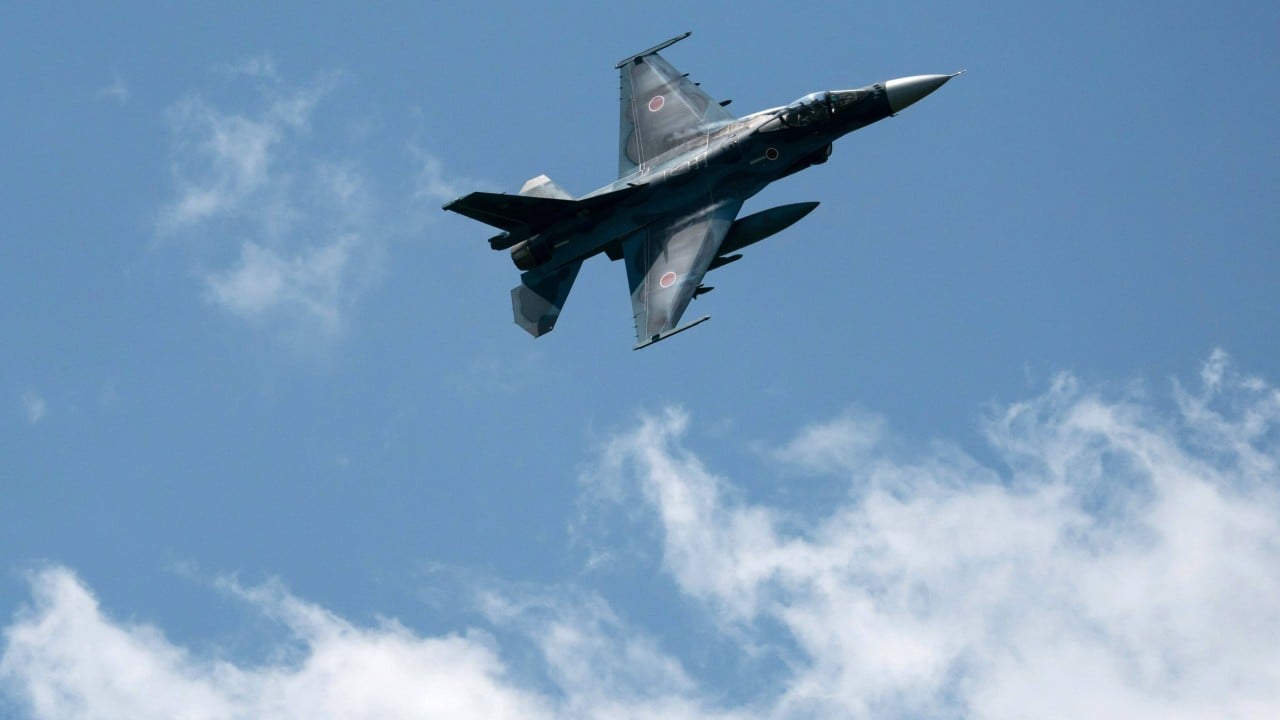
Across the continent, thousands of miles away from the roaring mud, a different kind of movement is quietly unfolding on a tarmac. Japan is dispatching fighter jets to India.
At first glance, these two events—the torrential drowning of Himalayan villages and the sleek, calculated deployment of military aircraft across Asian skies—belong to entirely different worlds. One is an ancient tragedy of water and gravity. The other is a hyper-modern choreography of geopolitics and regional defense.
Yet they share a common thread. Both remind us that safety is an illusion we construct against a chaotic backdrop.
Let us look closer at the sky over India. Fighter jets do not cross international boundaries on a whim. This deployment represents a deliberate hardening of alliances, a calculated chess move in an Indo-Pacific theater where tensions hum beneath the surface like a live wire. (Note: This refers to the weekend defense agreements and joint exercises capturing global headlines.) When advanced gray metal cuts through foreign clouds, diplomats are sending a message without saying a word.
Stability. Deterrence. Presence.
These are cold words for warm blood. We talk about strategic partnerships as if they are abstract mathematical equations on a whiteboard in a Tokyo or New Delhi command center. But behind every flight plan is a pilot checking a seal on a cockpit canopy. Behind every diplomatic handshake is the memory of past conflicts and the nervous anticipation of future ones.
Water rises. Steel flies.
And somewhere in the middle of it all stands the ordinary person trying to buy groceries, pay rent, or simply survive the next twenty-four hours.
We often consume the news as a bizarre carnival of unrelated horrors and triumphs. We scroll past a photograph of a mother wading waist-deep through brown floodwaters in Nepal, and three swipes later, we read about strategic defense pacts involving supersonic aircraft. Our brains attempt to file them into separate drawers: nature versus politics, tragedy versus strategy.
That is a mistake.
The changing climate that supercharges monsoons and melts glaciers with terrifying speed is remaking the physical boundaries of nations. At the same time, shifting geopolitical tectonic plates are redrawing our political boundaries. Both forces are squeezing the space where normal life is supposed to happen.
Consider what happens next for the farmer whose terraced fields were washed into the abyss over the weekend. He does not care about fighter jets. He cares about a spade, a bag of seed, and a government that remembers he exists. Consider what happens next for the strategist analyzing radar blips on a glowing monitor. They do not care about the mud in the valley. They care about borders, airspace, and the balance of power.
Yet both men and women are bound to the same earth. The same atmosphere that breeds the crushing monsoons also carries the jet streams navigated by military pilots.
We live in an era where the extraordinary has become the weekend schedule. Five major stories flash across our screens, compete for our fleeting attention, and then evaporate into the digital ether by Monday morning. We treat them as content. We consume them between sips of coffee before diving back into our emails and spreadsheets.
Stop scrolling.
Look at the rain streaking down your own window, or think of the quiet stillness of the airspace above your city. Beneath every headline is a human heartbeat, a frantic calculation of risk, and a desperate hope that tomorrow will look slightly more stable than today.
The floodwaters in Asia will eventually recede, leaving behind a crust of dried silt and broken memories. The fighter jets will complete their rotations, landing safely back on home soil, their missions logged and filed away into archives.
The earth dries. The sky clears.
And we wait for the next tremor.


