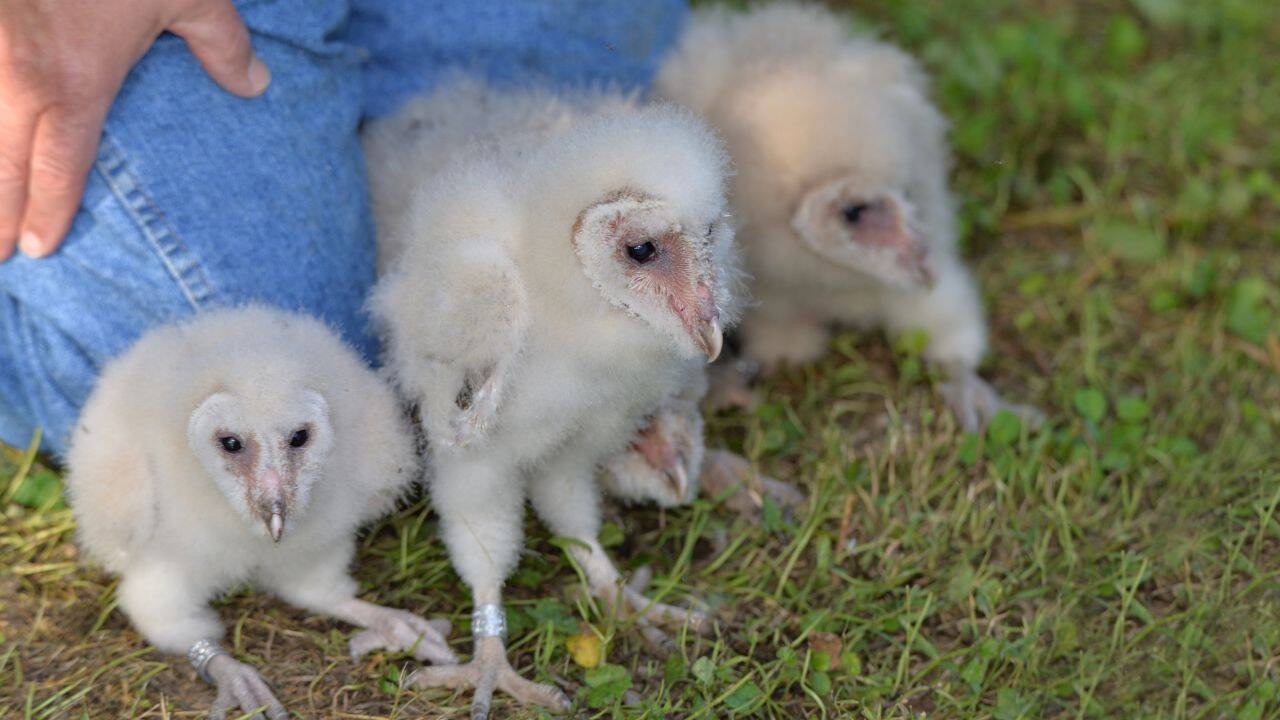
Six barn owlets discovered on a Peterborough farm offered a rare moment of relief after a grueling summer marked by six suspected arson attacks. The discovery highlights a resilient stroke of wildlife recovery, yet it simultaneously casts a harsh light on an escalating crisis across the British countryside. Rural arson and arson-adjacent crimes are surging, leaving agricultural communities vulnerable while local law enforcement struggles to deploy adequate resources. The arrival of the owlets isn't just a heartwarming biological milestone; it is a stark reminder of what stands to be lost when deliberate destruction goes unchecked.
The Reality Behind Peterborough's Scorched Fields
Fire crews spent weeks responding to deliberate blazes across the Cambridgeshire countryside this past summer. Hay bales, wooden barns, and vital agricultural machinery went up in flames, costing local businesses hundreds of thousands of pounds.
This was not an isolated spate of bad luck.
Arson in rural sectors operates under a distinct set of operational challenges. Farms stretch across vast, unmonitored acreage. Response times for emergency services naturally stretch longer in remote postcodes than in urban centers. Perpetrators take advantage of low lighting, minimal CCTV coverage, and easy escape routes through unpaved farm tracks.
When a barn ignites, the loss extends far beyond dry timber or stored feed. Fire destroys decades of soil management materials, specialised equipment, and immediate livestock shelters. Insurance payouts rarely cover the full operational downtime, forcing small-scale holdings to bear immense financial friction.
Wildlife Resilience Against Man-Made Hazards
Against this backdrop of deliberate destruction, barn owls (Tyto alba) continue to search for viable nesting sites. The species relies heavily on traditional wooden farm structures, dry outbuildings, and mature tree hollows.
When arsonists destroy these buildings, they do not merely damage human property. They obliterate established ecological habitats.
The emergence of six healthy owlets in a single clutch indicates strong local foraging conditions, primarily a healthy supply of field voles and wood mice. Yet, the survival of such a brood depends entirely on structure stability. Barn owls display strong site fidelity, returning to the same nesting locations year after year.
Why Habitat Loss Hits Birds of Prey Hardest
- Nesting Dependencies: Unlike smaller songbirds that rebuild nests rapidly in hedges, barn owls require large, dry cavities that take decades to form naturally or significant capital to construct manually.
- Hunting Territory Friction: Burning fields destroys the immediate grassy margins where rodents thrive, forcing adult owls to fly further for food, increasing energy expenditure during critical feeding windows.
- Brood Mortality Risks: Smoke inhalation and localized heat spikes can decimate a nest long before flames reach the actual timber structure.
The Peterborough farm case represents an extraordinary stroke of biological luck. The adults managed to secure a quiet, undamaged pocket of the property long enough to incubate and raise a full clutch.
The Broader Struggle for Rural Security
Police forces across rural England face structural deficits. Patrols are thin across vast geographical zones, making real-time apprehension of arsonists exceptionally rare.
Community watch groups and farmers have been forced to invest heavily in private security measures. Solar-powered thermal cameras, automatic license plate recognition systems at field entrances, and concrete barriers placed across access tracks are becoming standard features on modern holdings.
These interventions require significant capital investment. For smaller farms already squeezed by fluctuating input costs and unpredictable weather patterns, private security hardware represents an unbearable overhead expense.
Countermeasures Currently Deployed on Vulnerable Holdings
- Strategic Stacking: Moving hay and straw stacks away from public footpaths and roadsides to eliminate easy targets for opportunists.
- Infrared Surveillance: Installing cellular-linked trail cameras around high-value machinery sheds to get instant perimeter alerts.
- Emergency Water Reserves: Maintaining dedicated static water tanks near timber outbuildings to assist fire crews upon arrival.
While these measures mitigate risk, they do not address the root motivation behind targeted destruction. Rural crime networks and opportunistic vandals continue to exploit the physical isolation of these properties.
The six owlets fledging near Peterborough demonstrate the sheer tenacity of local ecosystems. Nature will reclaim space whenever a brief window of safety opens up. Protecting those windows requires a fundamental shift in how rural infrastructure is monitored, defended, and valued by the wider public.