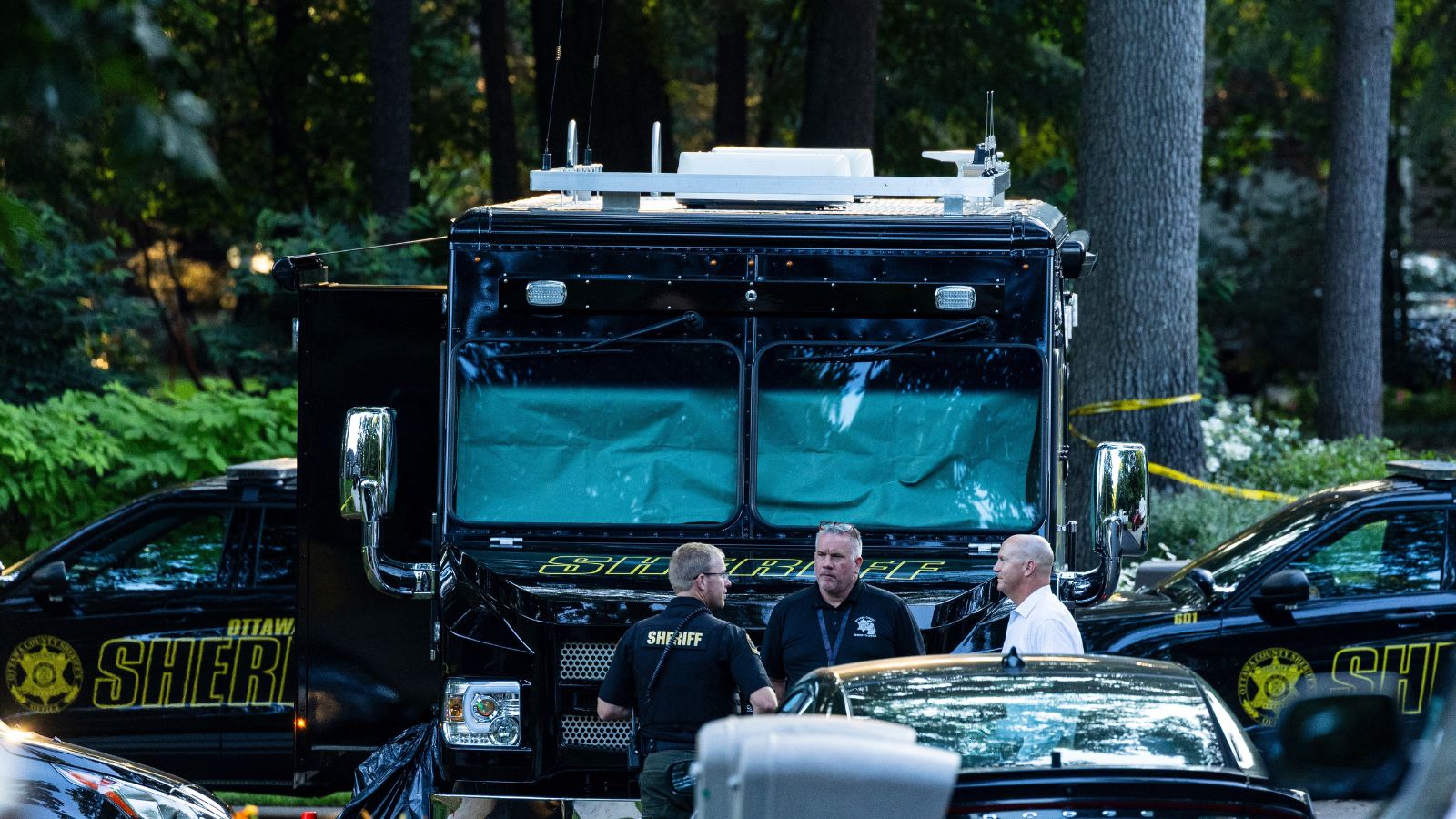
We measure catastrophes in numbers because numbers are easy to hold. Eight lives. Six children. A burning house. The digits roll off the tongue with a sterile precision, a cold shorthand used by dispatchers and journalists to map the boundaries of an unimaginable horror. But numbers do not bleed. Numbers do not leave behind small pairs of shoes by the front door or half-finished drawings taped to the refrigerator.
Consider what happens next: the flashbulbs fade, the yellow police tape flutters in the empty neighborhood breeze, and the public moves on to the next breaking notification.
Yet, the reality of these tragedies lives in the quiet, terrifying spaces between the headlines.
Let us walk back through the smoke. When emergency crews pull up to a residential fire, their instinct is built around rescue. They carry axes and hoses, trained to battle the orange glow of combustion. But nothing in the academy prepares them for the quiet testimony of lead and steel waiting beneath the soot.
Autopsy reports from similar devastating domestic atrocities across the country tell a chillingly recurring story. The flames are rarely the only weapon. Often, they are the punctuation mark at the end of a sentence written in blood, a deliberate attempt to erase evidence or extinguish a family line completely.
In these moments, the abstract concept of domestic trauma transforms into a visceral neighborhood nightmare.
Think of the classroom desks that remain empty the following Monday. Think of the teacher who picks up attendance, starts to say a name, and catches her breath in the sudden, suffocating silence. These are the invisible stakes. Every time a domestic dispute crosses the threshold from argument to absolute violence, an entire ecosystem of futures is obliterated.
We try to rationalize these events by searching for immediate triggers. Financial strain. Broken relationships. Isolation.
The public wants a neat narrative box to put it in. We look for a singular villain or a broken institutional cog, hoping that if we identify the flaw, we can prevent the next catastrophe. But human beings under extreme psychological fracture do not behave with predictable logic. They collapse inward. They spiral. And when access to lethal force meets an uncontained mental breakdown, the margin for error shrinks to zero.
A house is supposed to be a sanctuary. It is the one place on earth where the outside noise is supposed to mute, where children should be able to sleep without locking their bedroom doors against the world. When that fundamental architecture fails, the betrayal is absolute.
We are left staring at charred foundations and asking how the warning signs were missed.
The warning signs are usually agonizingly ordinary. They look like missed phone calls, quiet arguments behind closed blinds, and the heavy, exhausting weight of keeping up appearances while financial or emotional pressures mount. People do not walk around with neon signs flashing their internal despair. They smile at the grocery store. They wave to the mail carrier.
Then, the night arrives.
We must confront the uncomfortable truth about domestic violence and mass tragedy: it happens behind closed doors in neighborhoods just like yours, on streets with manicured lawns and children's bicycles left in the driveways.
Silence is the ultimate accomplice.
When we treat these events as isolated anomalies—aberrations detached from our own societal structures—we fail to protect the vulnerable. The narrative cannot end with the sirens turning off. It has to begin with how we listen to the quiet cries before the smoke ever starts to rise.
The ashes eventually cool. The debris is cleared away. But the absence remains, heavy and permanent, echoing in every empty hallway where a child will never run again.
Louisiana father kills 8 children in mass shooting, including his own
This video provides context on how domestic tragedies involving multiple child victims unfold and impact local communities.
http://googleusercontent.com/youtube_content/1