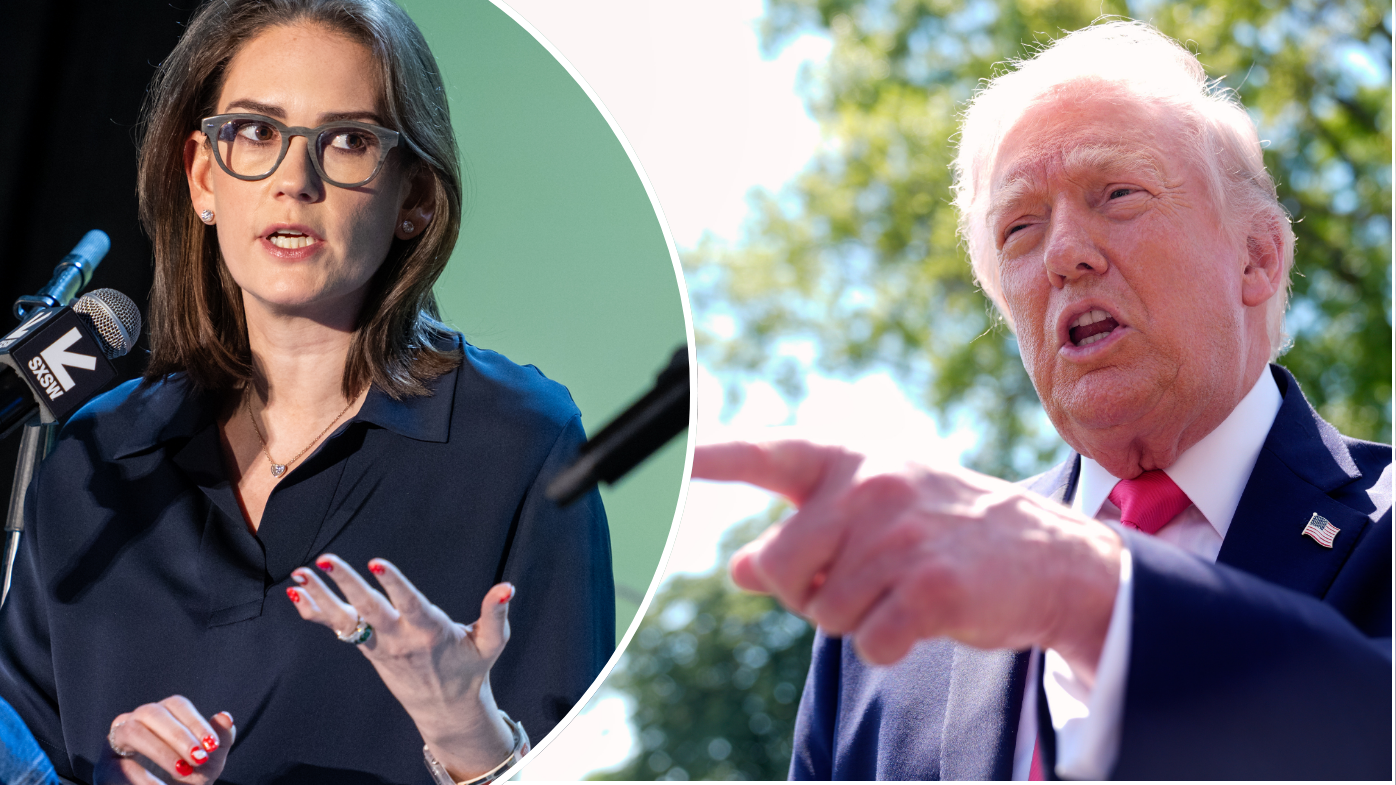
Truth is a heavy thing to carry, but it is lighter than a lie. On a Thursday that should have been defined by the hum of creative energy and the flicker of studio lights, the digital world convulsed. A headline began to crawl across screens like a virus: Singer D4vd arrested in connection with murder of teenage girl. It was sharp. It was jagged. It was designed to draw blood.
But as the dust of the initial social media explosion settled, a different picture emerged. It wasn't one of handcuffs and cold interrogation rooms, but of a manufactured storm. We live in an era where a person’s reputation can be dismantled in the time it takes to refresh a feed. The reality of the situation involving David Burke—the nineteen-year-old visionary known to millions as D4vd—reveals a much more complex story about the fragility of fame and the dangerous speed of modern judgment.
The Anatomy of a Viral Phantom
Rumors don’t start with a bang. They start with a whisper that someone happens to record. In this case, the "news" of an arrest began to circulate not through official police bulletins or reputable news wires, but through the murky channels of TikTok and X. It was a classic piece of digital alchemy: taking a few unrelated images, adding a grim caption, and letting the algorithm do the heavy lifting.
The weight of such an accusation is impossible to measure. For an artist like D4vd, who rose to prominence through the intimate, lo-fi textures of "Romantic Homicide" and "Here with Me," his brand is built on vulnerability. His fans don't just listen to his music; they live inside it. When you accuse a creator of that caliber of a heinous crime, you aren't just reporting a "fact." You are tearing a hole in a community.
Consider the ripple effect. Within hours, the search volume for his name spiked by thousands of percentage points. Fans were left in a state of mourning for a career they thought was over, while critics sharpened their pens. This is the new justice system: guilty until proven viral.
When the Algorithm Becomes the Jury
The problem with the modern news cycle is that it has no brakes. When the rumor mill claimed D4vd was involved in the death of a teenage girl, there was no waiting period for verification. There was no "let’s see what the authorities say." There was only the race to be the first to post about it.
Statistical trends show that misinformation travels six times faster than the truth on social platforms. It’s a biological glitch in our collective psyche. We are hardwired to pay attention to threats. A murder charge is a threat to the social fabric, so we click. We share. We comment "RIP" or "I knew he was weird" without a second thought.
In reality, there was no record of an arrest. No police department in the singer’s orbit had a David Burke in custody. The "teenage girl" at the center of the story didn't have a name, a location, or a family. She was a ghost, a necessary prop in a fiction designed to generate engagement. But for D4vd, the ghost was real enough to haunt his professional standing.
The Human Cost of a Hoax
Imagine standing in a room where every wall is a mirror, and every mirror is slightly distorted. You see a version of yourself that looks like a monster. You scream that it isn't you, but the mirrors don't have ears. They only have eyes.
This is the psychological toll of the "death hoax" or the "arrest hoax." For D4vd, a young man who arguably represents the DIY spirit of Gen Z, the internet is his home. It is where he was discovered. It is where he communicates. To have that same community turn into a lynch mob based on a fabricated headline is a betrayal of the highest order. It creates a permanent scar on a digital footprint. Even after the debunking, even after the truth comes out, a Google search for his name will, for years, suggest the word "arrest" or "murder."
The invisible stakes here aren't just about one singer’s career. They are about the precedent we are setting. If we can do this to a celebrity with a team of lawyers and publicists, what happens when the lens is turned on a private citizen?
Navigating the Fog
We often talk about media literacy as if it’s a chore, like filing taxes or checking the oil in a car. It isn't. It’s a survival skill.
When a story this explosive breaks, the first step isn't to share; it's to pause. Look for the source. If the only person reporting a celebrity's arrest is an account with a profile picture of an anime character and a handle like @NewsLeakz420, it’s a lie. Real news, especially news involving the loss of life, has a paper trail. It has names of detectives. It has statements from precincts.
D4vd is not a murderer. He is a kid from Houston who figured out how to make his iPhone sound like a heartbreak. He is a creator who shifted the aesthetic of indie-pop from his sister's closet. The "arrest" was nothing more than a glitch in the attention economy, a desperate grab for clicks in a world that is starving for drama.
The noise has finally started to fade. The headlines are being corrected. The fans are returning to the music, finding solace in the familiar chords of "Sleep Well." But the silence that follows a storm like this is never truly quiet. It’s heavy. It’s a reminder that in the digital age, the truth doesn't just need to be told—it needs to be defended.
The screen goes dark. The notifications stop. And in the stillness, the only thing left is the music, playing softly, trying to drown out the memory of a lie that almost became the truth.