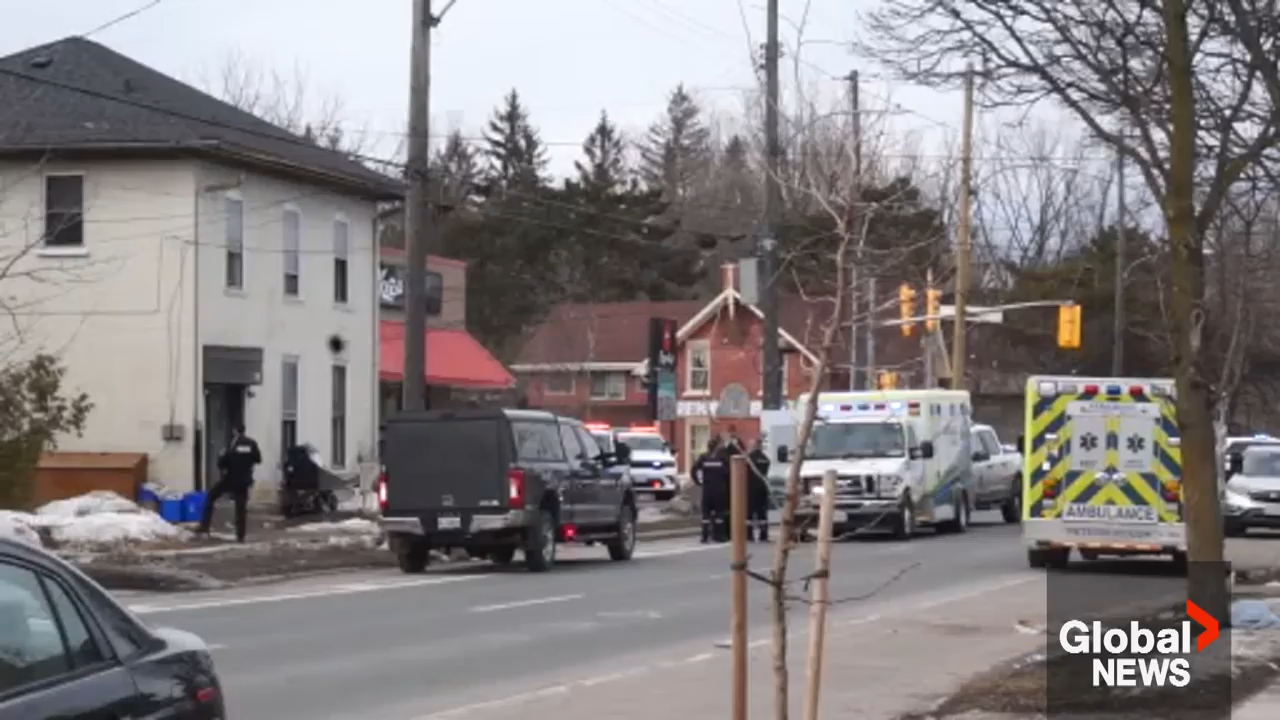
The sirens in Peterborough do not sound like the sirens in Toronto. In the metropolis, emergency vehicles form a constant, low-frequency hum, a predictable layer of urban white noise that bleeds into the background of millions of lives. But eighty miles northeast, in a city where the streets quiet down early and neighbors still notice an unfamiliar car parked at the curb, those high-pitched wails slice through the evening air with terrifying clarity. They signal an rupture in the local peace. They demand attention.
When violence shatters a smaller community, the ripples extend far beyond the yellow police tape. On a seemingly ordinary day, a targeted shooting occurred in Peterborough, leaving a community on edge and investigators scrambling to piece together a puzzle that stretched back toward the Greater Toronto Area. The initial news briefs were clinical and brief. They listed names, ages, and boilerplate police terminology.
The human reality behind those cold lines of text tells a much different story. It is a story of a community suddenly forced to confront the harsh realities of cross-city crime, the meticulous and exhausting nature of modern police work, and the quiet relief that comes when a second suspect is finally brought into custody.
The Crackle of the Radio
Imagine standing on a quiet residential street in Peterborough as the sun dips below the tree line. The air is cool. Then, the peace is shattered. Gunfire. It is a sound that does not belong here. For the residents who heard it, the immediate reaction was not one of understanding, but of profound disbelief.
Pop. Pop. Pop.
Firecrackers, perhaps? A backfiring engine? The mind scrambles for innocent explanations because the alternative is too heavy to process. But the subsequent arrival of flashing red and blue lights dispels any comfort of illusion. A man had been shot. It was not a random act of aggression, but a targeted attack, a calculated strike that brought the specific, lethal intent of the criminal underworld directly onto a neighborhood sidewalk.
For the first responders arriving at the scene, the chaos of the immediate aftermath requires a hyper-focused triage. Paramedics work frantically over the victim, battling the clock to stabilize a life hanging in the balance. Meanwhile, patrol officers begin the grueling process of securing the perimeter, hunting for shell casings in the grass, and knocking on doors to find anyone who saw a fleeing figure or heard the screech of tires.
The victim survived the initial onslaught, but the psychological wounds inflicted on the neighborhood were deep. A targeted shooting carries a unique brand of terror. It implies surveillance. It means that perpetrators knew exactly where to look, who to target, and when to strike. For the families living just doors away, the burning question remains: how safe is the threshold of our own homes when violence can be routed so precisely to our doorsteps?
The Invisible Grid of the Manhunt
When a shooting is deemed targeted, the investigation immediately shifts gears. This was not a sudden barroom brawl or a domestic dispute gone wrong. It required planning. It required a network. Peterborough Police service members knew that the answers likely lay beyond the city limits.
The digital trail began almost immediately. In the modern era, a suspect cannot move through a city without leaving a phantom footprint. Investigators began pulling data from a massive, invisible grid. They reviewed hours of blurry footage from residential doorbell cameras, commercial security feeds, and municipal traffic cameras. They analyzed cell phone tower pings, looking for anomalies—devices that suddenly appeared in the area right before the trigger was pulled and vanished immediately after.
Consider the sheer exhaustion of this process. Detectives sit in windowless rooms, coffee cups stacking up, staring at monitors for hours on end. They fast-forward through minutes of empty streets, searching for a single license plate, a distinctive jacket, or a specific limp in a stride. It is tedious, unglamorous work that requires an obsessive attention to detail.
The breakthrough came in pieces. First, police identified and arrested a twenty-one-year-old suspect from Toronto, charging him with aggravated assault and use of a firearm during an offense. It was a major victory, but the celebration was short-lived. The evidence clearly indicated he did not act alone. A second man, elusive and dangerous, remained at large.
The existence of an uncaptured shooter creates a palpable tension within a police department and the community it protects. Every traffic stop becomes a high-stakes encounter. Every tip from the public must be vetted with absolute urgency. The suspect was out there, potentially armed, and increasingly desperate as the walls began to close in.
The Knock at the Door in Toronto
The investigation inevitably led back to Toronto. The connection between smaller Ontario hubs and the major metropolitan center is well-documented by criminologists. Trafficking routes, gang rivalries, and personal vendettas frequently spill outward from the core, using the highways like arteries to pump illicit activity into quieter municipalities.
Days turned into weeks. The trail, though warm, required cross-jurisdictional cooperation. Peterborough detectives worked hand-in-hand with their counterparts in the Toronto Police Service, sharing intelligence, monitoring known hideouts, and waiting for the suspect to make a mistake.
He eventually did.
The climax of a manhunt rarely looks like a Hollywood movie. There are seldom high-speed chases through crowded streets or dramatic shootouts on rooftops. Instead, it ends with a quiet, overwhelming show of force. A tactical unit gathers in the pre-dawn darkness outside a residence in Toronto. They know their target is inside. They know the risks.
The breach is sudden. A heavy knock, the splintering of a doorframe, and the booming commands of officers flooding the hallways. Within seconds, the second suspect—a twenty-two-year-old Toronto resident—is pinned to the floor, handcuffed, and read his rights.
The arrest brings a definitive end to a dangerous run, but it also marks the beginning of a lengthy legal saga. The young man now faces an array of severe charges, including aggravated assault, discharging a firearm with intent, and pointing a firearm. As he was transported back to Peterborough to face a bail hearing, the regional justice system prepared to take over where the detectives left off.
The Long Road to Real Security
The news of the second arrest traveled quickly back to Peterborough. On the street where the gunshots had echoed weeks prior, a collective breath was finally released. The immediate threat had been neutralized. The two men accused of bringing terror to their pavement were now locked behind iron bars.
Yet, true justice is not achieved solely by handcuffs. The physical scars of the victim will take months, perhaps years, to heal. The emotional scars of the witnesses, particularly the children who heard the gunfire from their bedrooms, may linger even longer.
This incident serves as a stark reminder of the fluid borders of modern crime. A city cannot isolate itself from the societal issues of its larger neighbors. The highway goes both ways. While Peterborough offers a community-oriented lifestyle, it remains vulnerable to the shifting dynamics of urban violence.
The police have done their job. They traced the ghost, followed the digital breadcrumbs, and executed the arrests without further bloodshed. Now, the focus shifts to the courts, where the facts will be laid bare, testimonies will be heard, and a jury will decide the ultimate cost of a targeted shooting.
The sirens are quiet in Peterborough tonight. The streets have returned to their familiar, predictable rhythm. But the memory of that evening remains, a solemn warning written in the pavement, reminding everyone that peace is a fragile thing, fiercely protected by those who work in the shadows to bring the missing pieces of justice home.