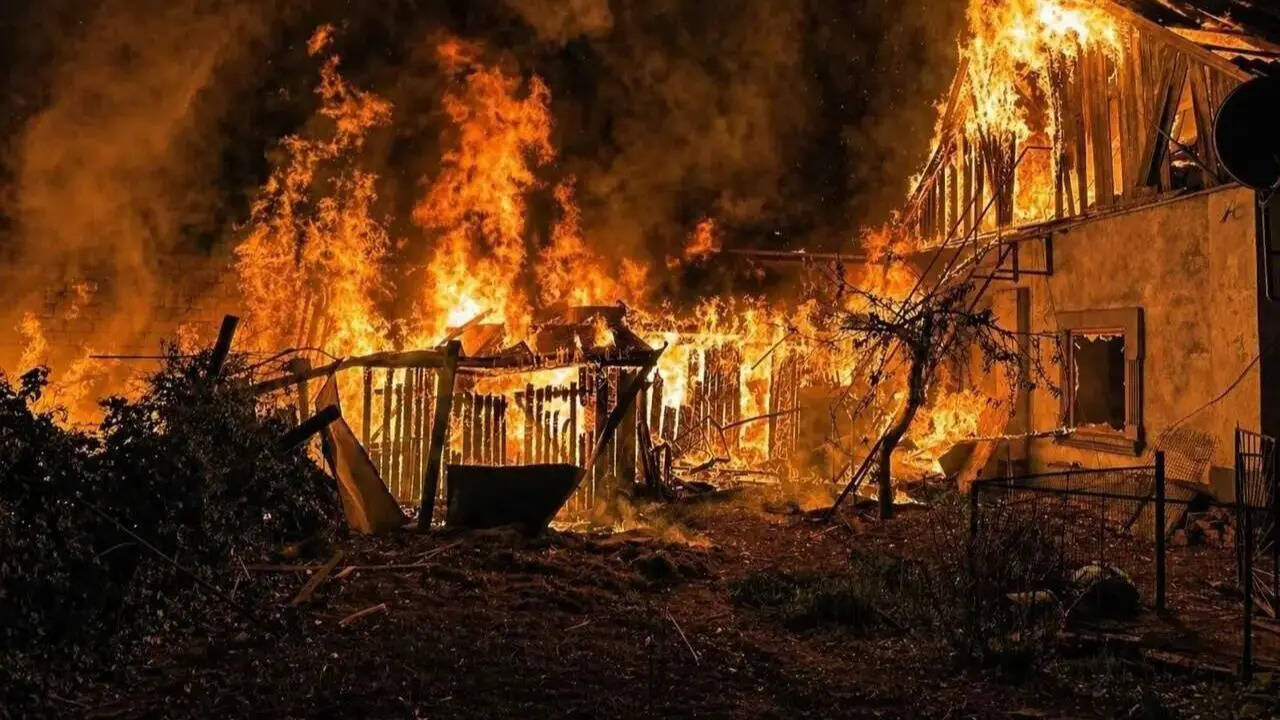
The maritime underbelly of the global energy market just sustained a massive blow. Ukraine has accelerated its campaign against the Russian shadow fleet, striking two tankers transporting crude oil in an audacious operation paired with a synchronized drone swarm of over 300 units. This is not merely a tactical victory; it is a calculated effort to fracture the mechanisms Moscow uses to bypass international sanctions. By targeting the vessels themselves, Kyiv is shifting the risk profile for the shadowy operators who keep Russian oil moving, effectively making the cost of doing business unbearable.
For months, the Kremlin has operated a fleet of aging, poorly insured vessels—often referred to as the shadow fleet—to circumvent Western price caps. These ships navigate the high seas with turned-off transponders and obscure ownership structures, moving millions of barrels of crude to markets in Asia and beyond. The recent strikes demonstrate that this clandestine network is no longer insulated from the kinetic reality of the conflict. When tankers become legitimate targets, the insurance premiums, already exorbitant, may become unpayable. Learn more on a connected topic: this related article.
The Economics of Maritime Sabotage
To understand why these strikes matter, look at the math. The Russian budget relies heavily on crude exports. The shadow fleet was created to ensure that oil continues to flow despite sanctions that aimed to slash Kremlin revenues. These tankers, often decades old and lacking reputable classification society oversight, are the arteries of the Russian war machine.
When a ship is disabled or destroyed, the loss is more than just steel and oil. It destroys trust within the illicit insurance markets that protect these operations. If a shadow fleet vessel faces a high probability of being targeted, the operators who provide the "protection and indemnity" coverage—usually shell companies in jurisdictions with minimal regulatory scrutiny—must reassess their exposure. If they raise rates to match the new risk, the profit margins on Russian oil disappear. If they refuse to cover the vessels at all, the ships stop moving. Further analysis by The Washington Post delves into similar views on the subject.
The drone swarm, reported at over 300 units, served two purposes. First, it overwhelmed local defenses, allowing the primary strikes on the maritime infrastructure to proceed with minimal interference. Second, it signaled that Ukraine possesses the capacity to strike deep into sensitive logistics nodes. This creates a psychological barrier for any maritime crew considering a contract to haul Russian cargo.
Beyond the Surface
The assumption that the shadow fleet could operate indefinitely with impunity was always a fallacy. Maritime trade requires a degree of transparency that is inherently antithetical to sanction evasion. Every time a ship enters a port, docks for bunkering, or transfers cargo ship-to-ship, it leaves a footprint. Ukraine and its allies have spent the last two years mapping these footprints.
The use of long-range drones in this operation highlights a transition toward a hybrid naval warfare doctrine. Since Ukraine lacks a conventional fleet capable of challenging Russian ships in open water, they have inverted the geometry of the battlefield. By using air-launched assets to neutralize maritime threats, they render traditional naval superiority irrelevant.
This approach forces Moscow to divert resources from the front lines to defend their logistical tail. Protecting a tanker fleet in the Black Sea or the Baltic is a massive undertaking. It requires air cover, electronic warfare support, and constant surveillance. Every drone interceptor missile used to protect a tanker is a missile unavailable for the front lines. The cost of maintaining the shadow fleet is now rising on two fronts: the direct loss of the ships and the indirect drain on military readiness.
The Fragility of Illegal Logistics
Critics of this strategy argue that the global oil market is too vast to be impacted by the loss of a few tankers. They point to the sheer volume of global oil trade, suggesting that the shadow fleet will simply be replaced. However, this misses the point of the escalation. The objective is not necessarily to halt all oil exports but to increase the friction of the trade until it reaches a point of diminishing returns.
If the shadow fleet becomes synonymous with high risk, the entire logistical apparatus begins to fray. Skilled mariners, who are already difficult to recruit for such volatile assignments, will demand higher pay. Shipyards willing to repair these aging, sanctioned tankers will become rarer. The cost of ship-to-ship transfers, which are essential for obscuring the origin of the oil, will spike as operators demand more secure locations and equipment.
The maritime industry operates on thin margins. When external shocks drive up the operational cost of an illicit venture, the enterprise quickly shifts from lucrative to loss-making. The recent strikes are a signal to every participant in this market: the era of consequence-free transport is finished.
Realigning Global Energy Flows
The long-term consequence of these strikes will be a permanent shift in how energy markets view Russian crude. Buyers in countries that were previously indifferent to the sanctions now have to calculate the cost of receiving a shipment that might be targeted or intercepted. If the delivery of the cargo cannot be guaranteed, the price of the oil effectively rises to cover the uncertainty.
This puts Russia in a difficult position. They can either offer steeper discounts to compensate for the risk, further eroding their revenue, or they can struggle to find buyers willing to accept the logistical volatility. The Russian state has been operating under the assumption that the shadow fleet acts as a buffer against market pressure. By piercing that buffer, Ukraine has introduced a new variable that the Kremlin cannot easily control with propaganda or state subsidies.
The international community is watching how the shipping insurance sector responds. Traditionally, this sector is highly conservative and risk-averse. A sustained campaign against tanker infrastructure will likely trigger a tightening of requirements across the board. Even companies that are not directly involved in the shadow trade will find it harder to secure coverage as insurers scramble to avoid any association with high-risk corridors.
What remains to be seen is whether the capability demonstrated in this operation can be scaled. If Ukraine can maintain this tempo of operations, the cost of the shadow fleet will become a drag on the Russian economy that simply cannot be sustained. The maritime shadow is coming into the light, and it is proving to be a vulnerability that can be exploited with surgical precision. The next phase of this war will be decided as much on the water as it is in the trenches.