Dawn in the demilitarized zone does not arrive with the gentle painting of light across a quiet valley. It arrives as a sudden, sharp fracturing of the dark, where the silhouettes of guard towers emerge from the mist like iron teeth biting into the cold Korean sky.
If you have ever stood on that invisible seam, listening to the heavy silence hum between two worlds separated by a few hundred yards of gravel and history, you understand that peace here is never a permanent state. It is merely a suspended breath. Expanding on this topic, you can also read: Measuring Diplomatic ROI: The Economics Of India Palestine Infrastructure Interventions.
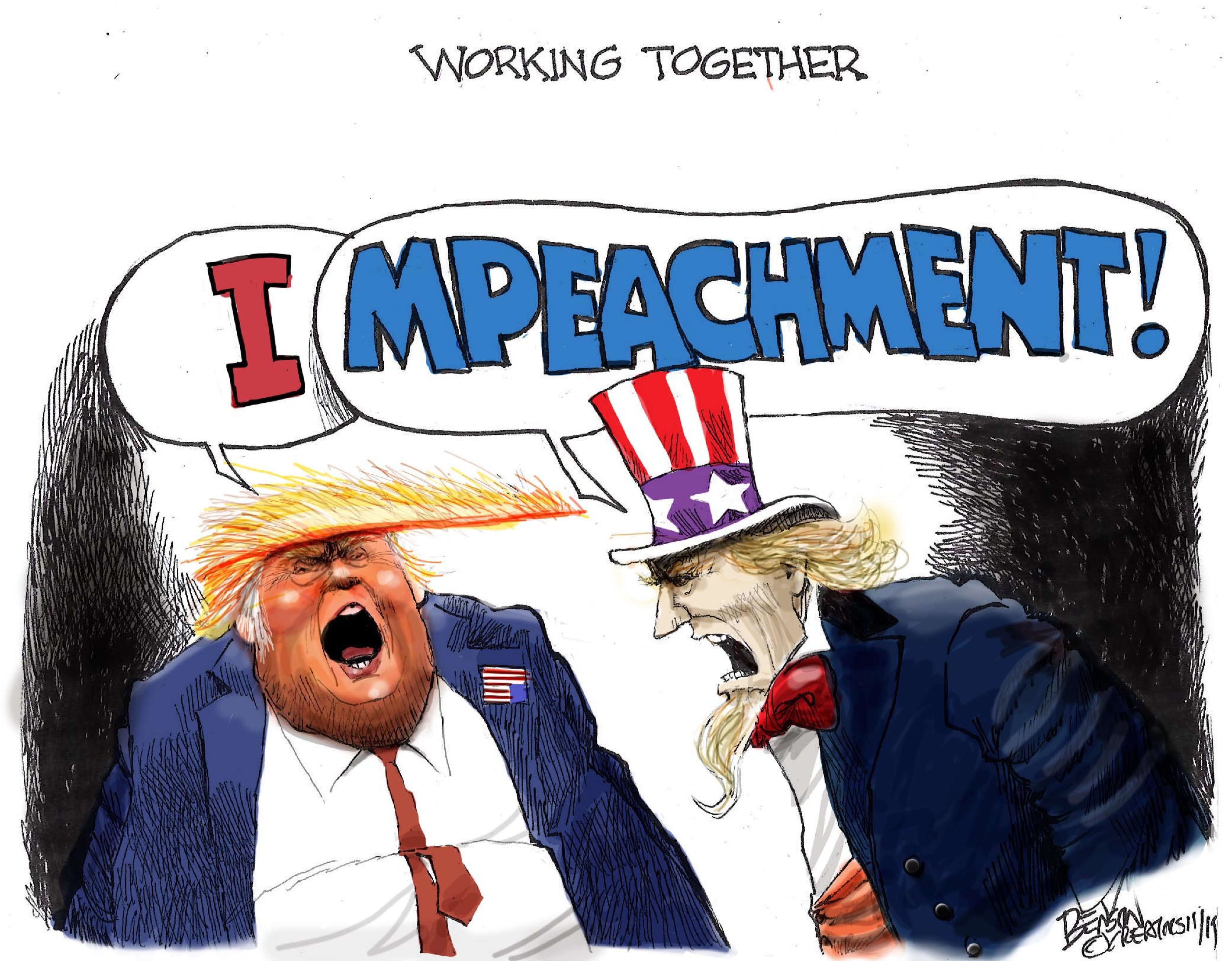
Across the globe, headlines celebrated a sudden shift. In Washington, policy directives were signed. Orders were given to scale back massive joint military exercises, a concession intended to lower the temperature, to offer an olive branch wrapped in strategic restraint. The expectation was simple, almost naive: pull back the iron fist, and the other side will open its hand.
Instead, the response from Pyongyang was a cold, unyielding wall of defiance. Experts at Al Jazeera have also weighed in on this matter.
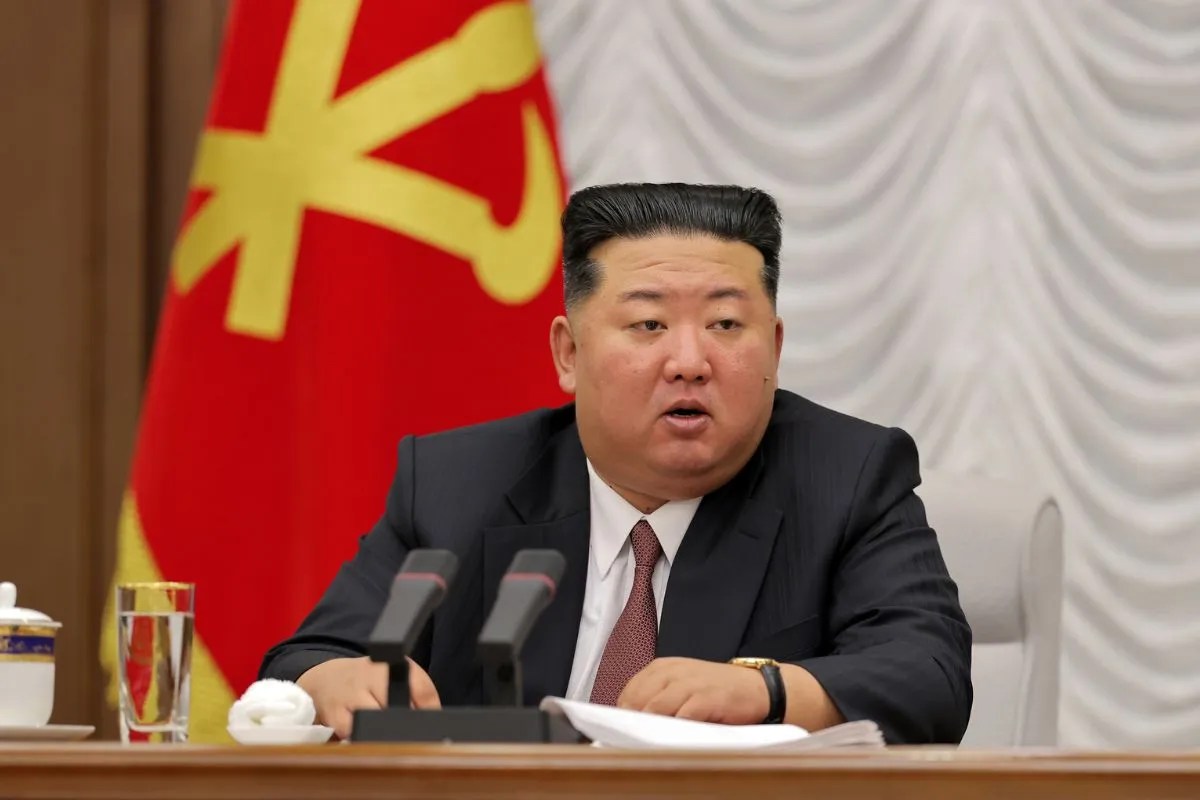
North Korea did not soften. It doubled down. It issued a fierce warning of absolute self-defense, dismissing the gesture entirely as a temporary illusion. To understand why a gesture of military reduction was met with such aggressive skepticism, we have to look past the political ticker tape and step into the psychology of a nation built entirely on the architecture of siege.
Imagine standing inside a command bunker buried deep beneath the granite hills outside Pyongyang. The air smells of ozone, damp concrete, and old paper. Maps from decades past line the walls, marked with red ink that never quite dries in the minds of the leadership. For generations, the narrative fed to the public and internalized by the military command is singular and absolute: the world outside is a permanent predator waiting for a moment of weakness.
When a superpower alters its military drills, an outsider sees diplomacy. A strategist in Pyongyang sees a tactic, a temporary retreat before a heavier blow, or a political maneuver designed to trap them in a false sense of security.
History teaches us that distrust this deep cannot be washed away by a single executive order. It is reinforced by decades of broken promises, economic isolation, and the heavy shadow of a war that technically never ended. The armistice signed in 1953 left a jagged scar across the peninsula, and every generation since has been taught to pick at the scab.
Consider the reality of the weapons tests that punctuate the silence of the East Sea. To the West, they are viewed as provocations, erratic tantrums designed to extract aid or attention. But inside the domestic machine of North Korea, these launches are framed as existential necessities. Every missile that punctures the stratosphere is broadcasted to its citizens as proof of survival against an overwhelming tide.
When the news broke about the reduction of allied war games, the foreign ministry did not blink. They issued their statement not with the language of negotiation, but with the familiar, sharpened rhetoric of self-defense. They made it clear that unilateral adjustments to training schedules do not change the underlying equation. The strategic assets, the nuclear deterrent, and the perpetual state of high alert remain locked in place.
This is the tragedy of a long stalemate. Both sides are trapped in a script written seventy years ago, playing out roles they no longer know how to rewrite.
We often look at international politics as a chess game played by rational actors moving pieces across a board of cold logic. But humanity is messier than that. It is driven by fear, by inherited trauma, and by the desperate need of regimes to justify their own existence through external threats. When peace is offered without trust, it is treated as a trap. When restraint is shown without dialogue, it is misread as weakness or deception.
The fog rolls back over the barbed wire of the 38th Parallel. The guard in the northern tower adjusts his heavy wool coat against the morning wind, his eyes fixed on the southern horizon where the shadows of allied bases wait in the gray light. Nothing has changed. The warning has been issued, the borders remain sealed, and the quiet war goes on.