Salt cakes white and crusty on the railing of the wheelhouse, three inches thick where the wind whips it up from the hull. Down below, buried under a hundred thousand tons of West Texas crude, the steel floor of the cargo tank hums a low, relentless vibration that you feel in your teeth more than your ears.
Marcus wiped a sleeve across the fogged glass of the bridge windows. Outside, the night off the Gulf Coast was pitch black, flat, and empty. A thousand miles behind them sat the terminal docks of Corpus Christi, where the hoses had pumped four hundred thousand metric tons of black gold into the belly of the vessel over thirty-six grinding hours. A thousand miles ahead lay the Taiwan Strait, the East China Sea, and the sprawling discharge terminals of a nation whose appetite for energy pays no heed to the map of history.
This ship is a Very Large Crude Carrier. A floating skyscraper laid on its side, long as three football fields, wide enough to swallow a suburban street. Normally, she moves through the water with the quiet, indifferent dignity of a continent. But tonight, the atmosphere inside the chartroom is brittle.
Marcus isn't just watching the radar. He is watching a ledger.
Somewhere in a glass-walled office in Houston, a broker had picked up a ringing telephone three weeks ago and casually quoted a number that belonged in a science fiction novel. Seventy-six million dollars. Not for the oil. Just for the ride.
Freight rates do not spike like that because of routine market shifts. They explode because the geometry of the world has snapped.
To understand what seventy-six million dollars for a single marine charter means, you have to abandon every textbook model of supply and demand you ever learned in college. You have to step out of the tidy spreadsheets and into the grease, the sulfur, and the cold iron of maritime logistics.
Before the cannons started firing in Eastern Europe and the Middle East choked off the traditional arteries of global trade, chartering a VLCC from the US Gulf Coast to China was a mundane affair. It was a utility bill. You paid somewhere between seven and eight million dollars to rent a floating iron monster for a month-long transpacific or transatlantic slog. It was a business of thin margins and vast volumes. Shipowners grumbled about oversupply; oil traders squeezed every nickel out of bunker fuel costs.
Then the maps were redrawn.
Sanctions fell like iron curtains across Russian ports. Pipelines that had fed Europe for half a century were throttled down to a hiss and a sigh. Refineries in Rotterdam and Singapore had to scramble, ripping up decades-long supply contracts overnight to chase barrels thousands of miles further away. Suddenly, every tanker on the planet was running a marathon instead of a sprint. Routes doubled in length. Ships that used to make four voyages a year were now tied up in month-long detours around the Cape of Good Hope, avoiding chokepoints where missiles cast long, fiery shadows over the water.
And on the board, the pieces vanished.
When you remove ten percent of the global fleet from efficient circulation through bureaucratic mandates, geopolitical friction, and longer voyages, the remaining ninety percent suddenly becomes the most precious real estate on Earth.
Marcus looks down at the telex machine. It hums, spitting out a strip of paper with current bunker prices. High sulfur fuel oil is through the roof. Insurance premiums for transiting volatile zones have multiplied by factors that make underwriters sweat in air-conditioned boardrooms. Every mile of ocean crossed is a financial risk calculus involving war-risk surcharges, crew hazard pay, and port congestion fees that stretch wait times in Asian discharge bays into weeks.
Ten times higher.
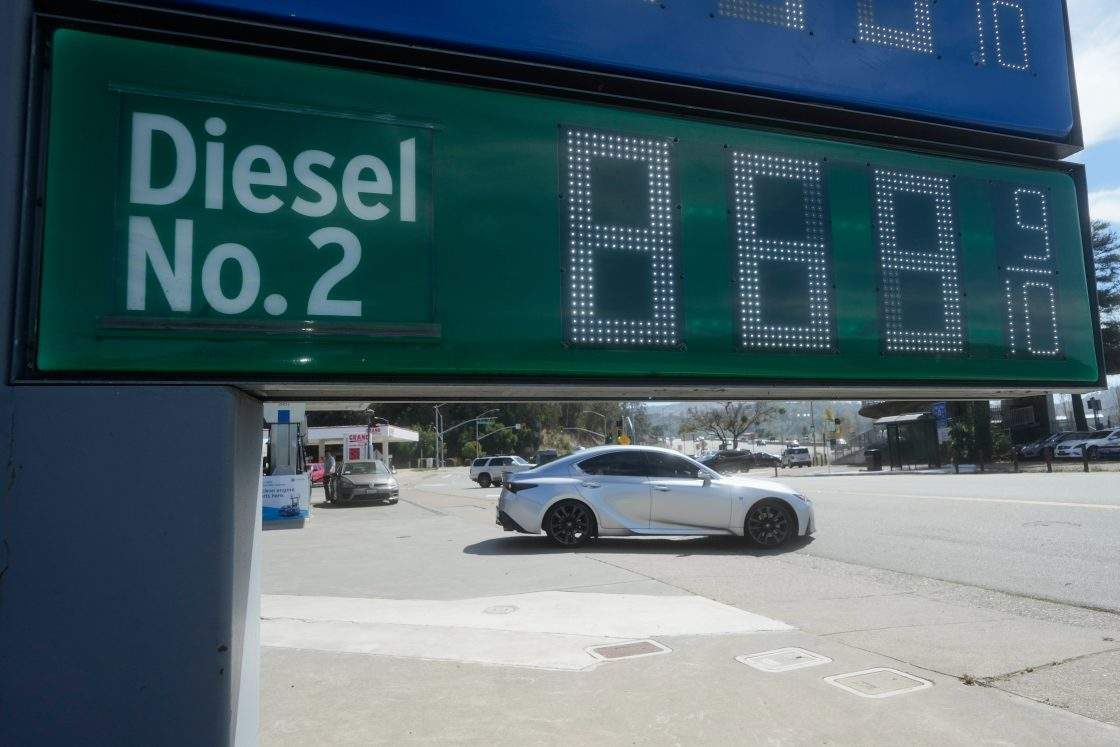
Let those words settle. Imagine renting an apartment for two thousand dollars a month, and waking up tomorrow to find your landlord demanding twenty thousand. Not because the apartment got bigger. Not because gold faucets were installed in the bathroom. But because every other building on the street has been condemned, and you are the only person left with a key.
This is what happens when physical commodities collide with geopolitical panic.
Down in the engine room, a two-stroke diesel engine the size of a three-story house consumes eighty tons of heavy fuel every twenty-four hours. It is a mechanical beast that never sleeps. It throbs with a rhythmic, deafening heartbeat that vibrates through the entire ocean. Marcus can hear it through the soles of his boots. He thinks about the men down there—filipino greasers wiping down cylinder heads in forty-degree heat, Indian engineers monitoring cooling water temperatures—while thousands of miles away, financiers in Geneva and trading desks in New York are trading the oil inside his tanks three times before breakfast.
The cargo doesn't care about the price tag. Crude oil is a blunt, stupid instrument of modern civilization. It doesn't know it is riding on the most expensive single-voyage taxi ride in modern maritime history. It just sits there in the dark, heavy and dark, waiting to be cracked into gasoline, jet fuel, and petrochemical feedstock.
When that oil finally reaches China, it will be fed into massive, labyrinthine distillation columns towering over coastal industrial parks. It will emerge as plastic wrap, nylon thread, diesel for cement mixers, and asphalt for highways stretching across developing interiors. The consumer buying a plastic-wrapped gadget in a shopping mall three months from now will never see the ghostly shadow of that seventy-six-million-dollar invoice. They will never trace the line back to the Gulf Coast wind or the captain standing on a dark bridge watching green radar sweeps.
That is the hidden tax of a fractured world.
We live in an era that pretends to be weightless. We talk about the cloud, digital currencies, algorithmic supply chains, and frictionless commerce. We imagine that goods move across the globe like packets of data, instantly and effortlessly. But every time a border slams shut, every time a missile arcs across a desert sky, reality punches right back through the glass screen.
The global economy is not a digital abstraction. It is a fleet of iron tubs burning heavy fuel through stormy seas, crewed by tired men who haven't seen their families in six months, navigating narrow straits while the price of their very existence is bid up by unseen men in glass towers.
Marcus turns off the chartroom light. The red glow of the instrument panels casts long, bruised shadows across his face. Outside, the swell is picking up. The bow of the ship dips into a trough, sending a cold sheet of Atlantic spray hissing across the foredeck.
They are still three thousand miles from landfall. The meter is running. And somewhere out there in the dark, the next ship is already being booked for a price that will break yesterday's record.