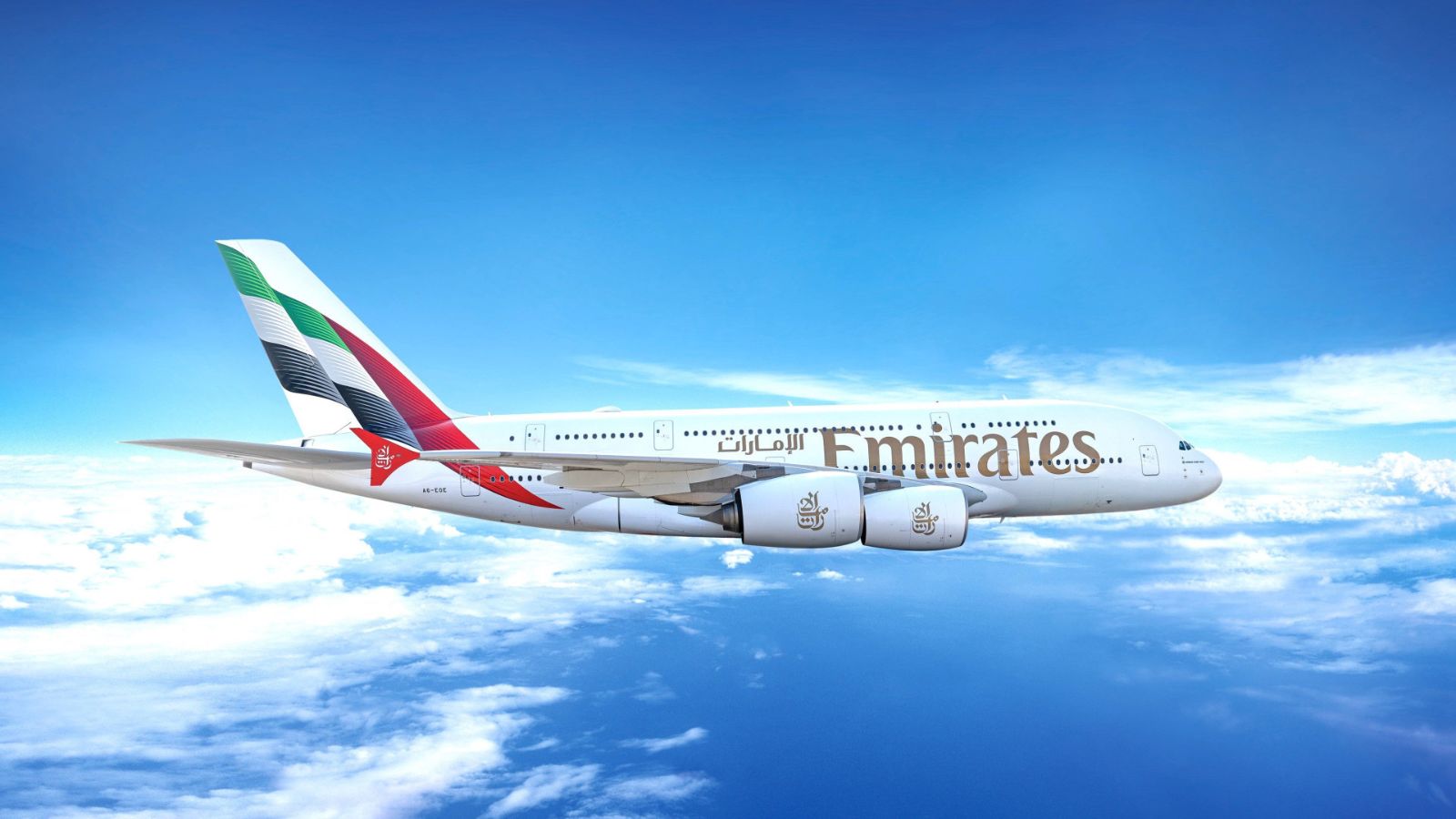
Cruising at thirty-eight thousand feet over Europe, the world looks remarkably indifferent. Down below, a patchwork of winter fields and frozen rivers slips by beneath a blanket of cloud, silent and orderly. Inside the cabin of Emirates Flight 41, flying from Dubai to London Heathrow, the air is pressurized, dry, and hums with the steady, hypnotic white noise of four massive engines. Passengers lean back against headrests, illuminated by the cold blue glow of individual touchscreens. Some sleep with open mouths. Others watch romantic comedies. A flight attendant pours a final cup of black coffee from a heavy silver pot.
Everything is routine. Until it isn't. You might also find this connected article interesting: Why Restoring Grand Rapids Is a Billion Dollar Mistake We Will Regret.
At the front of the aircraft, behind heavy bulkheads and steel-reinforced doors, the atmosphere shifts instantly from tranquil management to acute operational hyper-focus. A light blinks on the flight deck console. A chime sounds—soft, yet heavy with consequence.
Medical emergency. As highlighted in latest coverage by Condé Nast Traveler, the implications are significant.
In commercial aviation, these two words disrupt the carefully calculated choreography of modern flight. A wide-body aircraft like the Boeing 777 or Airbus A380 is essentially a self-contained ecosystem hurtling through the stratosphere at close to five hundred miles per hour. It carries hundreds of lives, thousands of gallons of volatile fuel, and a crew trained to handle emergencies, but it is bounded by miles of empty air. When a human body fails at high altitude, ordinary rules of time and geography dissolve. The nearest hospital is not down the street. It is thousands of feet straight down, across an ocean or a continent, behind layers of international airspace permissions, air traffic control protocols, and logistical hurdles.
Consider what happens next in the cockpit. The captain and first officer do not panic; professional pilots are wired for methodical calm under pressure. But their mental calculus alters at the speed of light. They immediately check the flight management computer. Where are we? Who is beneath us? What is our weight? How much fuel do we have?
On this particular Emirates service, the sudden crisis forced an immediate reassessment of the route. The aircraft, hurtling through the upper atmosphere toward London, had to execute an unscheduled diversion. Frankfurt International Airport, one of Europe’s primary aviation mega-hubs, loomed as the most viable sanctuary. But turning a massive, heavily fueled passenger jet around is not like pulling a car to the side of a highway.
To land safely at Frankfurt, the aircraft often needs to descend rapidly and may even be too heavy due to its transcontinental fuel load, requiring pilots to carefully manage weight parameters or coordinate rapid descents. Passengers feel the subtle drop in altitude long before they understand why. The angle of the floor shifts just slightly. The engines spool down, then whine as airbrakes deploy. Outside, the world of clouds rushes upward.
For the passenger experiencing the medical crisis—or for the family sitting a few rows away, paralyzed by sudden terror—those minutes stretch into hours. Medical emergencies in the air are terrifying precisely because of their isolation. You are surrounded by strangers. The medical kit on board, while federally mandated and surprisingly comprehensive, containing everything from stethoscopes and blood pressure cuffs to intravenous lines and specific cardiac medications, is operated by flight attendants whose primary job is evacuation and safety, supplemented by whatever traveling doctors or nurses happen to raise their hands when the call goes out over the public address system.
"Is there a doctor on board?"
It is a sentence that instantly shatters the collective anonymity of a commercial cabin. Heads snap up. Sleepers jolt awake. A collective breath is held across three hundred seats. In that instant, social classes, language barriers, and destinations vanish. Everyone is just human, fragile, and acutely aware of how thin the aluminum hull is that separates them from the void.
When Emirates Flight 41 touched down on the tarmac at Frankfurt, emergency vehicles were already waiting with their blue lights painting the wet concrete in frantic flashes. Fire trucks, mobile medical units, and airport authority cars converged on the massive aircraft the moment its wheels kissed the ground, guiding it swiftly off the active runway to a remote hardstand.
The logistics of an unscheduled diversion are staggering. Ground handlers must be scrambled. Airport gates must be reassigned. Customs and border protection teams must be mobilized to handle passengers who now find themselves unexpectedly on German soil without visas or planned itineraries. Behind the scenes, dispatchers in Dubai work feverishly to reroute connecting flights, secure hotel vouchers, and update flight tracking systems while passengers inside the cabin peer anxiously out the windows at flashing lights and paramedics boarding through the forward L1 door.
Yet, amid the operational chaos and the financial cost of a diverted wide-body flight—costs that run into tens of thousands of dollars in fuel burn, landing fees, and passenger compensation—the core of the story remains intensely, quietly human.
We board these modern metal birds with an unspoken contract. We surrender control of our physical safety to strangers in crisp uniforms, trusting that invisible webs of technology, regulation, and training will carry us safely from one horizon to another. We treat flying as mundane, scrolling through our phones as we taxi past cargo terminals, complaining about cramped legroom or delayed beverage carts.
We forget how precarious it all is.
When a flight diverts for a medical emergency, it serves as a jarring reminder of our shared vulnerability. It strips away the glossy veneer of modern mass transit and reveals the raw, beating heart of humanity underneath. A total stranger becomes the focus of hundreds of people's silent prayers. Pilots push their skills to the limit. Medical professionals volunteer their expertise in the cramped aisle of an economy cabin. Ground crews work through the night to restore order to a shattered schedule.
The plane eventually refueled, the emergency patient was safely transferred to a specialized German medical facility, and Flight 41 continued its journey toward the gleaming towers of London, landing hours behind schedule. To the statistical trackers of global aviation, it was merely an operational footnote—a brief entry in a daily logbook of thousands of global movements.
But for the souls on board, the journey home would never look the same. They had stared directly at the fragility of life at thirty-eight thousand feet, witnessed the quiet heroism of strangers stepping up in the dark, and remembered, perhaps for the first time in a long time, just how miraculously connected we truly are when things fall apart.