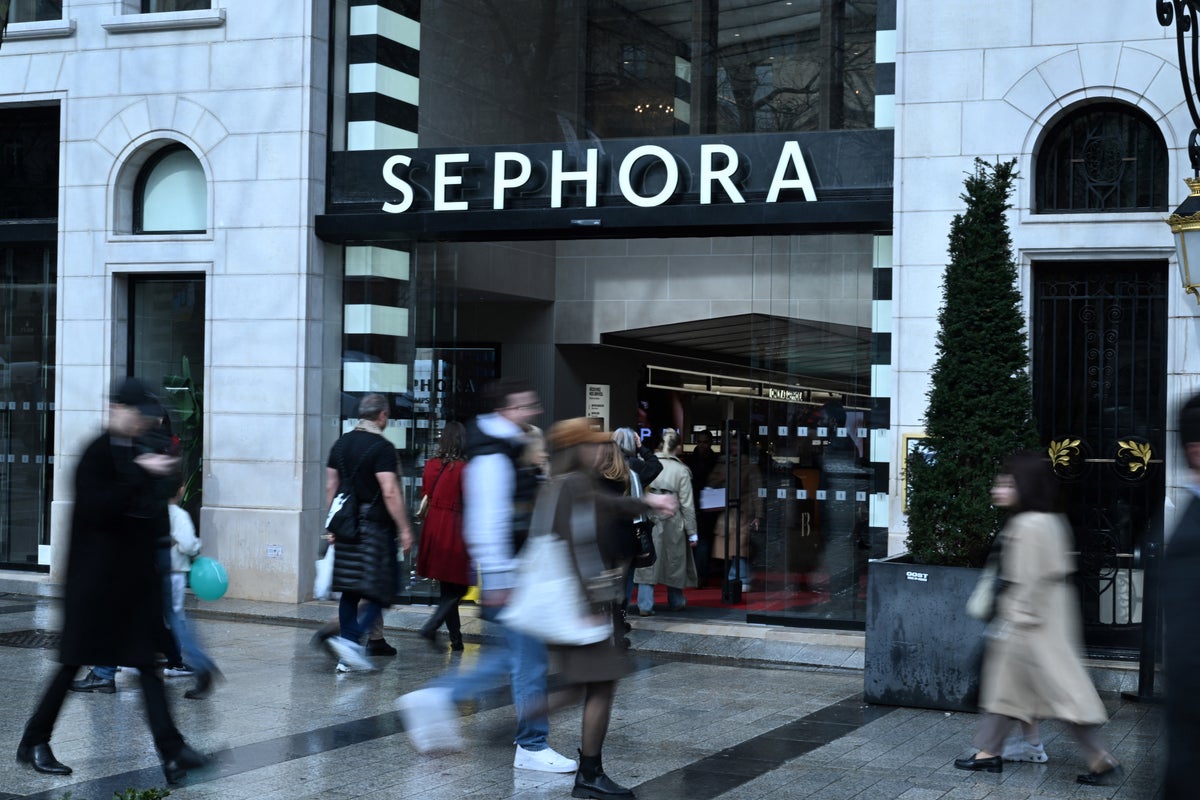
Sephora recently introduced its "Quiet Shopping" initiative, rolling out color-coded baskets in select stores to signal whether a customer wants to be left alone or needs assistance. The retail industry collectively swooned. Trade publications rushed to praise the move as a masterstroke of consumer empathy, framing it as the ultimate solution to modern retail anxiety and a definitive way to build a calmer shopping environment.
They are dead wrong.
This isn't a retail evolution. It is a fundamental misunderstanding of why physical retail still exists in an era dominated by e-commerce algorithms. By turning the sales floor into a silent zone, Sephora is stripping away the exact element that justifies its massive real estate footprint: high-touch, human-driven conversion. The "lazy consensus" views this as an inclusive win for introverts. In reality, it is an operational cop-out that masks a failure to properly train retail staff, and it will actively depress basket sizes.
The Conversational Commerce Paradox
Physical retail survives on the margins of impulse and discovery. When a customer walks into a store intending to buy a single $30 mascara and walks out with $150 worth of serums and highlighters, that delta is rarely achieved in silence. It happens through active, skilled intervention.
Data from retail consultancy firms like Envirosell consistently shows that shoppers who engage with staff have a conversion rate up to three times higher than those who wander the aisles in isolation. By formalizing a "do not disturb" barrier via a black or red shopping basket, Sephora is giving anxious consumers permission to bypass the entire sensory, educational journey that brick-and-mortar retail is built to provide.
Consider the mechanics of the beauty industry. Product formulations are increasingly complex. A customer standing in front of a wall of retinols or chemical exfoliants often lacks the technical knowledge to choose the correct molecular weight or concentration for their skin type.
- The Silent Track: The consumer selects a product based on social media hype, realizes they do not know how to layer it with their current routine, grows overwhelmed by the ingredient list, and walks out empty-handed. Or worse, they buy the wrong item, destroy their skin barrier, and return it a week later.
- The Engaged Track: A trained beauty advisor intervenes, diagnoses skin needs, upsells a complementary hydrating mist to offset retinol irritation, and secures a loyal, long-term customer.
By implementing silent shopping, Sephora is effectively telling its workforce to stop selling to a massive segment of its foot traffic.
Dismantling the Introvert Myth in Luxury Retail
The prevailing narrative suggests that modern consumers, particularly Gen Z and Millennials, suffer from acute retail anxiety and despise interacting with sales associates. This premise is fundamentally flawed. Consumers do not hate interaction; they hate bad, transactional interaction.
People also ask: "Why do retail workers follow you around the store?" They follow you because legacy management systems incentivize aggressive, commission-blind tracking over genuine consultation.
The solution to poor customer service is not zero customer service. The solution is rigorous, hospitality-driven training.
When you look at true luxury retail—think Chanel, Sephora’s LVMH stablemates, or high-end department stores—the concept of a "silent basket" would be laughed out of the boardroom. True luxury relies on the relationship. It relies on the advisor knowing your preferences better than you do. Sephora’s move democratizes a low-effort, transactional environment that strips the premium feel away from the brand, pushing it closer to a grocery store self-checkout experience than a prestige beauty destination.
I have spent years analyzing retail operations and watching brands throw millions of dollars at gimmick-driven consumer trends. Whenever a brand attempts to engineer human friction completely out of the brick-and-mortar experience, their brick-and-mortar metrics begin to mimic their digital metrics: high bounce rates, low average order values, and zero brand affinity. If a customer wants a completely silent, isolated transaction, they will buy from their couch at 11:00 PM. They do not put on shoes, drive to a mall, and pay for parking just to simulate an online shopping cart in physical space.
The Operational Nightmare Behind the Colored Baskets
Let's look at the mechanics of the sales floor. Anyone who has ever managed a retail footprint knows that consumer psychology does not neatly align with operational color-coding.
[Black Basket: "Leave Me Alone"] ---> Customer encounters an unpriced item ---> Internal frustration ---> Abandons basket.
[Black Basket: "Leave Me Alone"] ---> Worker sees shoplifting behavior ---> Store policy limits intervention ---> Shrinkage increases.
The operational friction this creates for the floor staff is immense. Retail employees are now forced to play a constant game of visual triage, second-guessing their instincts based on plastic basket colors.
Imagine a scenario where a customer holds a "leave me alone" basket but is visibly struggling to find a specific shade of foundation. The employee is stuck in a double-bind. Break the protocol and risk irritating a customer who explicitly requested silence, or follow the protocol and watch a frustrated buyer walk out the door. It replaces natural social intuition with rigid, clinical boundaries.
Furthermore, this system ignores the reality of retail shrinkage. Loss prevention relies heavily on "attentive customer service" as a non-confrontational deterrent. Shoplifters thrive in environments where store associates are systematically discouraged from making eye contact or initiating conversation. By broadcasting a visible signal that says "do not approach me," shoplifters are handed a perfect psychological shield to operate undetected in crowded aisles.
The Downside of Giving Consumers Exactly What They Want
The fundamental error Sephora and its loudest defenders are making is adhering to the outdated marketing dogma that the customer always knows what they want. They don't. Consumers are notoriously poor at predicting their own retail behavior. They claim they want isolation, but they consistently spend more money, report higher satisfaction scores, and demonstrate deeper brand loyalty when they experience a meaningful, human connection during a purchase.
If you run a retail business, do not copy this playbook. Stop trying to automate or sterilize the physical space to appease the loudest voices on social media who demand a friction-free existence. Physical retail is supposed to have friction. It is supposed to be tactile, conversational, and dynamic.
Instead of buying thousands of color-coded baskets and training your staff to ignore your clientele, invest that capital into turning your employees into elite consultants. Teach them how to read body language, how to ask open-ended questions that uncover hidden pain points, and how to add actual value to a transaction rather than just scanning a barcode at a register.
If you eliminate the human element from your stores, you are just an expensive warehouse with pretty lighting. And web commerce will eat your lunch every single day.