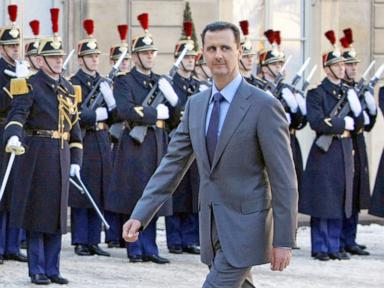
The headlines rolled across global feeds with predictable, self-righteous fervor. A tribunal hands down a death sentence in absentia against the former Syrian president. Mainstream commentary treats the gavel strike as a monumental milestone for international justice, a triumph of accountability, and a stern warning to despots everywhere.
It is none of those things.
It is expensive, performative noise. Paper judgments issued from safe distances do not dismantle authoritarian legacies, nor do they feed displaced families or rebuild leveled cities. They simply offer Western and transitional legal bodies a cheap dopamine hit of moral closure while dodging the grinding, unglamorous mechanics of actual state reconstruction.
I have watched international tribunals burn through tens of millions of dollars on high-profile indictments that ended up as little more than expensive wallpaper. When you analyze the institutional incentives behind absentee verdicts, the illusion shatters completely. The lazy consensus assumes that symbolic legal victories naturally translate into structural deterrence. They do not. In fact, they often achieve the exact opposite.
The Flawed Mechanics Of Virtual Justice
Let us look at what an absentee trial actually requires. You gather prosecutors, judges, defense attorneys appointed by the state, and a parade of witnesses to testify about horrors that everyone already knows occurred. Millions of dollars change hands to fund security, transcriptions, and courtroom overhead.
At the end of the process, a piece of paper is stamped with a maximum penalty that cannot be enforced. The defendant sits beyond reach, likely insulated by geopolitics or safe harbors.
The media calls this accountability. Realists call it an expensive distraction.
Imagine a scenario where a corporation spends its entire annual budget on issuing a press release condemning a rival's bad behavior instead of fixing its own defective product line. That is what a death sentence in absentia represents for geopolitical stability. It prioritizes the aesthetic of justice over the execution of it.
Why Dictators Do Not Fear Paper
The core misconception fueling these proceedings is that authoritarian leaders care about the moral judgment of foreign courts. They do not. Dictators calculate power through the barrel of a gun, control of capital, and loyalty networks.
A verdict handed down by a court thousands of miles away does not alter a tyrant's risk calculus by a single fraction of a percent. If anything, it provides domestic propaganda value. An absentia conviction allows remaining loyalists to paint the leadership as victims of foreign judicial imperialism, rallying hardliners who might otherwise drift away.
By prioritizing theatrical retribution, the international community commits a strategic error. It validates the premise that justice is something you broadcast on television rather than something you anchor in local, functioning courts that can actually try defendants in the flesh.
The Real Cost Of Performative Closure
Every hour spent organizing a symbolic trial in absentia is an hour diverted from tangible recovery efforts. Syria does not need more legal documents written in European capitals. It needs functional infrastructure, non-corrupt local municipalities, and security frameworks that allow millions of refugees to return home without fearing arbitrary arrest or starvation.
When international organizations throw their weight behind toothless verdicts, they create a false sense of completion. Donors look at the headlines, assume the Syrian file is being handled by the courts, and quietly redirect their funds elsewhere. The victims get a headline; the nation gets abandoned.
True accountability is tedious. It involves document collection, forensic accounting, tracking illicit asset flows across international banking secrecy jurisdictions, and arresting perpetrators when the geopolitical winds finally shift. It requires patient police work, not dramatic gavel drops for empty chairs.
The Uncomfortable Truth About Global Jurisprudence
Let us be completely transparent about the limitations of international law. It only works when there is a monopoly on enforcement. Without an army willing to march in and drag the accused to the dock, a trial is just a debate club with gavels.
Pretending otherwise is a disservice to the people who suffered under the regime. When you tell a survivor that justice has been served because a judge in a distant courtroom condemned an empty chair to death, you are mocking their intelligence. You are offering them a theatrical substitute because the international community lacks the stomach or the strategy to deliver the real thing.
Stop celebrating symbolic paper tigers. Demand real asset recovery, actual extradition pressure, and localized judicial capacity building that can handle war crimes trials where the defendants can actually hear the verdict read aloud.
Until then, save the ink.


