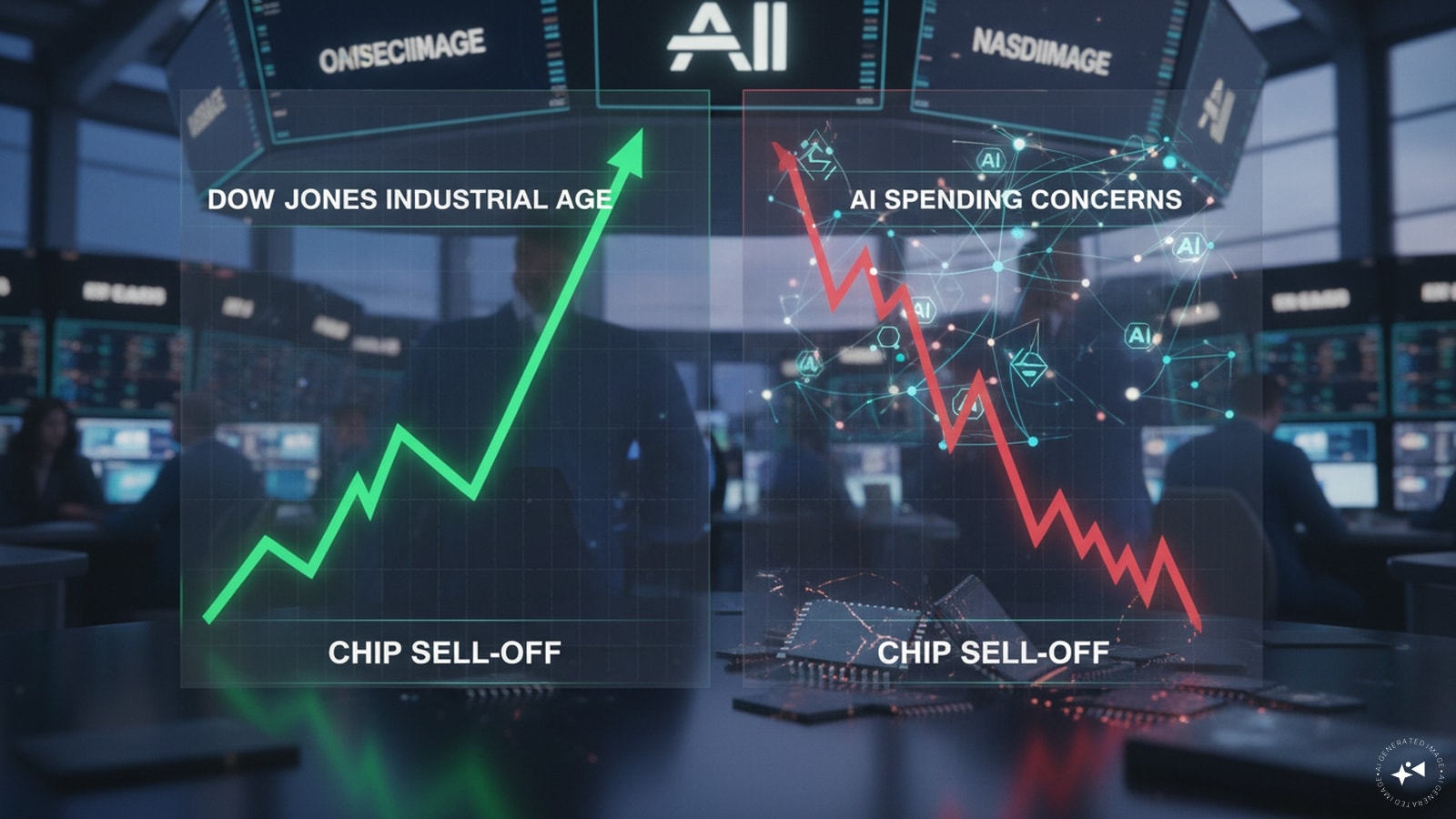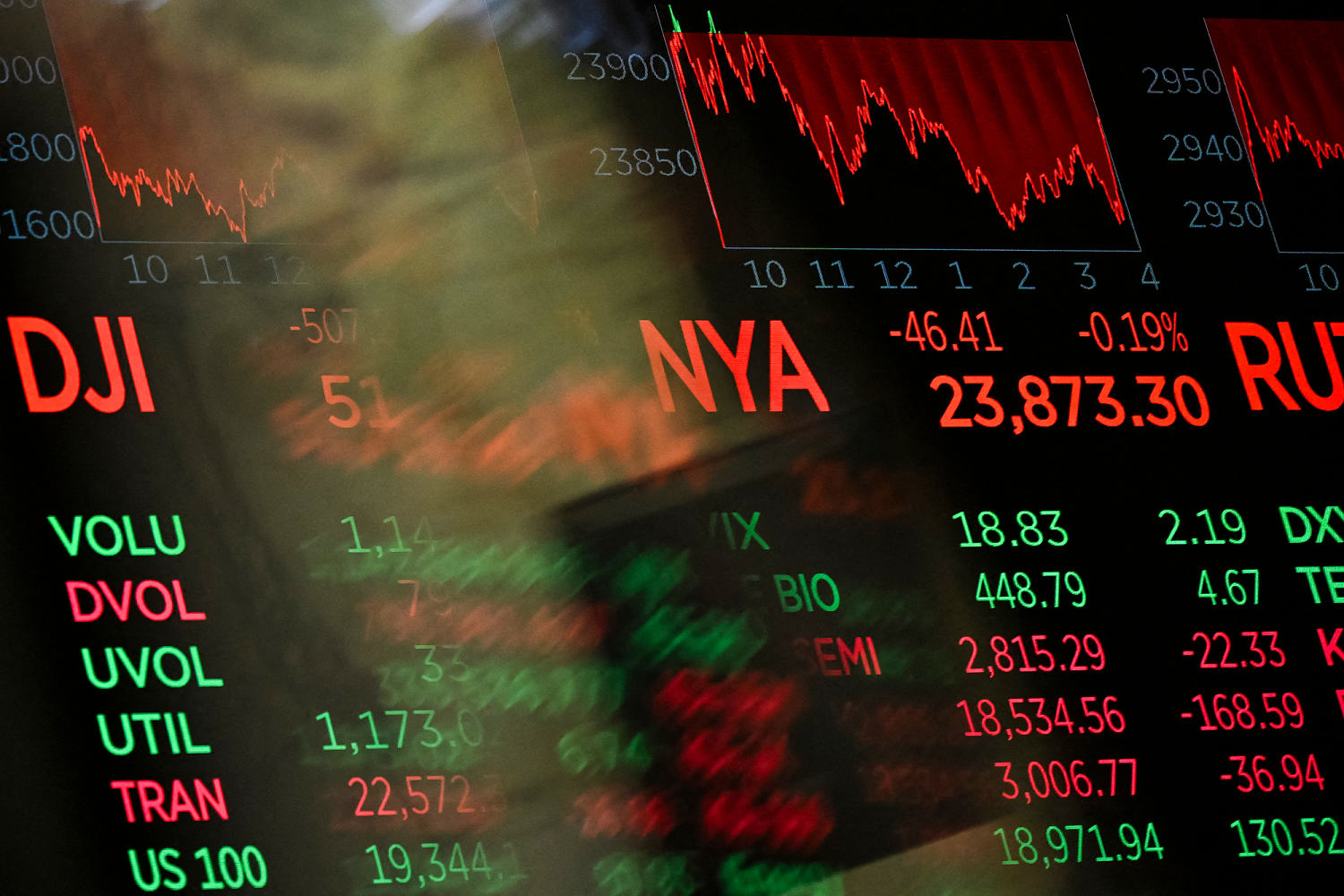
The tech party got too loud, and now the hangover is here.
When the Nasdaq 100 slid past the ten percent threshold into correction territory, Wall Street acted like the sky was falling. Memory stocks crashed in Seoul. Chip designers dropped hard in New York. Everyone who treated artificial intelligence infrastructure like a bottomless ATM machine suddenly remembered that markets move in two directions.
This isn't a random blip. It's a long-overdue reality check on speculative excess.
If you look past the panic headlines, a much healthier rotation is taking shape. Let's break down what's actually happening beneath the surface of this massive sector rotation.
The Triggers Behind the Tech Retreat
Panic doesn't arrive out of nowhere. A combination of structural pressures and rising competition finally caught up to the high-flying semiconductor index.
First, the heavy capital expenditure cycle started raising eyebrows. Wall Street grew increasingly uneasy about the sheer volume of debt-funded data center expansion. When returns take longer to materialize than executive hype suggested, institutional investors start asking hard questions.
Second, the competitive landscape shifted rapidly. Reports surfaced regarding mass production of homegrown chip-making tools in overseas markets, sparking fresh anxiety among market participants that foreign alternatives might eat into the market share of established western equipment leaders.
When sentiment turns, it doesn't whisper; it shouts. Major memory producers saw their share prices hammered by double-digit declines in a single session. Chip giants like Intel, AMD, and various storage providers slid sharply as volume surged.
Where the Money is Actually Going
Smart capital rarely leaves the ecosystem entirely. It relocates.
While the hardware darlings that powered the early bull run took a beating, other corners of the market absorbed the shock. Take Apple, for instance. By steering clear of the hyper-expensive artificial intelligence infrastructure spending race and relying on stable consumer demand, its valuation crossed historic milestones while semiconductor names bled.
Diversification is having a moment. Equal-weight indices have shown surprising resilience while narrow, tech-heavy concentrations suffered. Investors are moving away from parabolic charts and hunting for businesses with robust cash flows and predictable earnings.
- Mega-cap rotation: Capital is shifting from raw infrastructure components to established consumer tech platforms.
- Defensive positioning: Sectors like healthcare and financials are quietly soaking up inflows.
- Valuation normalization: Forward multiples are returning to historical averages, punishing pure speculation.
What to Do With Your Portfolio Right Now
Stop treating every dip as an immediate buying opportunity. Blindly catching falling knives in the semiconductor space is an easy way to lose capital.
Instead, assess your true risk tolerance. If your entire net worth is tied up in high-beta chip stocks because they looked like guaranteed winners six months ago, your asset allocation was already broken. Real portfolio management means trimming positions that rely entirely on momentum rather than underlying business fundamentals.
Watch the key moving averages closely. Until high-flying indices reclaim their primary trendlines, patience remains your best defensive asset. Take a breath, look at your balance sheet, and stop letting market noise dictate your financial survival.