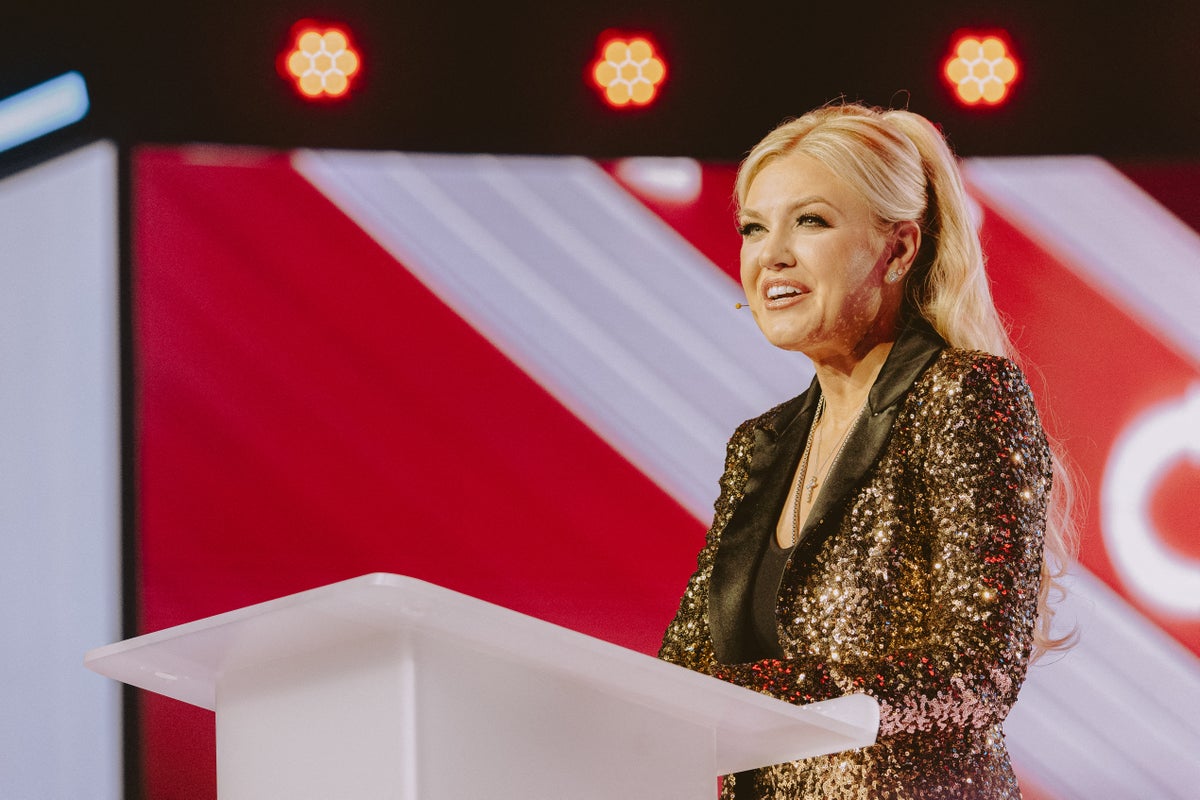
When a high-profile figure plans a visit to a public high school, it should be a routine event. In today's climate, however, it’s anything but simple. The recent relocation of a Turning Point USA student event featuring CEO Erika Kirk at Pinnacle High School in Phoenix proves that the line between student rights and administrative safety is blurrier than ever.
The event, originally slated for an on-campus lunch meeting, was moved to an off-site location after an outcry from parents and students. It wasn't just a scheduling conflict. It was a collision of ideological friction, safety fears, and the complex legal requirements that public schools must navigate.
The Reality of Student Led Events
Under the Federal Equal Access Act, schools that permit non-curricular clubs—groups like "Club America"—cannot discriminate based on the viewpoint of the speakers those students invite. If you let one group host a speaker, you generally have to let others do the same, provided the event is voluntary and not funded by the school.
Administrators are in a tight spot. They have a duty to protect free speech while maintaining a stable learning environment. When parents and students start protesting, the "stability" part of that equation becomes incredibly hard to manage.
Principal Jeremy Richards of Pinnacle High initially approved the meeting. He quickly faced a firestorm. The decision to move the event off campus wasn't an admission of defeat for the club’s rights. It was a tactical maneuver. By shifting the event to an off-site location after school hours, the district managed to keep the campus focus on education while still allowing the student group to hear from their chosen guest.
Why This Sparks Such Intense Debate
It’s easy to dismiss this as just another political spat, but the underlying tensions run deeper. Erika Kirk, as the CEO of Turning Point USA and widow of the late activist Charlie Kirk, carries a significant profile. Given the volatile climate surrounding political discourse on college and high school campuses, her presence alone acts as a lightning rod.
Many parents expressed genuine anxiety about the security requirements of such a visit. When you have high-profile speakers, you aren't just talking about a guest talking to students. You’re talking about potential protests, counter-protests, and the need for significant security resources. For a public school, that is a massive logistical challenge that distracts from the core mission: teaching.
Students themselves are divided. Some see the event as an exercise of free speech and a chance to engage with a prominent voice in conservative politics. Others see it as the importation of adult-level partisan vitriol into an environment that should feel safe for everyone, regardless of their background or political leaning.
The Lessons for Future Campus Visits
If you are a parent or a student concerned about how these events are handled, there are a few things to keep in mind regarding how schools actually operate.
- Look at the Club Bylaws. Schools rely on established policies for student-led organizations. These aren't random decisions. Most districts have specific protocols for outside guests. When you engage with the administration, asking about the process—rather than just the person—is usually more effective.
- Safety Trumps Politics. Administrators will prioritize the physical safety of the student body above almost anything else. If a speaker’s presence requires police presence or creates a high risk of disruption, the school is well within its rights to move or cancel the event under existing safety policies.
- Know Your Rights. The ACLU and other civil liberties groups often emphasize that student speech is protected, but that protection isn't absolute. It doesn't mean you can hold a disruptive rally in the middle of a math test. Understanding the "time, place, and manner" restrictions is key.
The situation at Pinnacle High is a textbook example of the friction points in 2026. Schools are meant to be places where ideas are explored, but they are also community institutions that need to function day-to-day.
Moving the event off-campus was the path of least resistance for the district. It highlights a recurring theme: as political figures continue to engage with younger audiences, schools are going to be forced to navigate these conflicts more frequently. The question isn't whether students have the right to invite speakers—that’s largely settled law. The question is how schools can maintain their educational purpose when the national political battlefield lands right in the school cafeteria.
If you’re worried about future events at your local school, the most practical step is to get involved in district meetings before a crisis breaks. Don't wait for a controversial speaker to make headlines to understand your school's policies on facility rentals or student club guest speakers. Knowing the rules in advance gives you a better seat at the table when the inevitable debates arise.