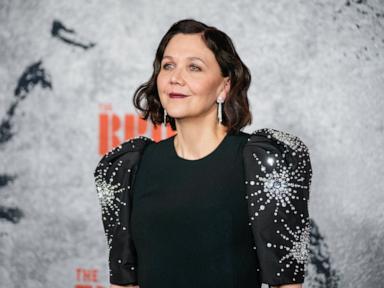
The sea does not care about awards. It rolls against the Lido in Venice, gray and rhythmic, indifferent to the whispers of publicists clutching leather portfolios or the sweat of young actors checking their reflections in darkened store windows.
Imagine standing on that damp concrete at midnight, long after the flashbulbs have stopped popping. The air smells of diesel, fried calamari, and old wood. This is where cinema goes to strip off its makeup.
Every autumn, the world turns its collective gaze toward a spit of land in northern Italy. The 2026 Venice Film Festival arrives not with a polite knock, but with the heavy, salt-stung thud of history. For over eighty years, this festival has watched the century unfold through a lens. It has survived wars, political shifts, the death of celluloid, and the birth of streaming algorithms. Yet, beneath the red carpets and the frantic shouts of photographers screaming names into the damp air, something quieter happens.
Art gasps for breath.
The Weight of the Lido
To understand what happens in Venice during late August and September, you have to look at the geography. The Palazzo del Cinema is an aging dowager of a building, filled with ghosts of directors who smoked unfiltered cigarettes in rooms that now smell faintly of floor wax and expensive perfume.
Critics sit in row twelve, notebooks open, pens poised like weapons. They are tired. They have flown across oceans, slept on lumpy hotel mattresses, and survived on espresso and croissants. They do not want greatness. They want honesty.
When the lights go down in the main theater, a collective hush falls. It is a specific kind of silence, heavy with anticipation. For the next two hours, the frantic energy of the festival evaporates. The outside world ceases to exist.
This year, the 2026 lineup carries a strange, palpable tension. We are living through an era where computers generate moving images in seconds, where every human emotion can be simulated, smoothed out, and sanitized for mass consumption. Because of this, the films making their pilgrimage to the Lido feel different. They are raw, jagged, and aggressively human. They smell of sweat and failure. They refuse to give easy answers.
Behind the Velvet Ropes
Let us step into the shoes of a hypothetical young producer named Elena. She has spent four years of her life mortgaging her future, fighting financiers who wanted a happier ending, and arguing about color grades until her voice cracked.
She is sitting in the back row of the press screening, invisible. Her knuckles are white. When the first reel rolls, she does not look at the screen. She looks at the backs of the critics' heads.
When a joke lands, her shoulders drop an inch. When a dramatic sequence drags, she stops breathing. This is the invisible currency of Venice. It is not just about golden statues or studio distribution deals. It is about validation. It is about proving that the terrifying leap of faith she took years ago was worth the loneliness.
Venice acts as the ultimate launchpad for the autumn awards season. Long before the Academy Awards hand out their golden statuettes in Los Angeles, the trajectory is quietly whispered here, in the hotel lobbies of the Hotel Excelsior, over five-euro espressos. A standing ovation that lasts six minutes can turn an obscure indie drama into a global cultural phenomenon overnight. Conversely, a lukewarm reception can sentence a multi-million-dollar epic to a quiet, immediate death.
The stakes are staggering. Yet, the festival retains an intimacy that Cannes often lacks. There is less posturing. People ride bicycles down the tree-lined streets of the Lido. Directors eat gelato in plain sight.
The Anatomy of a Masterpiece
What makes a film conquer Venice?
It is rarely perfection. Perfection is boring. It is usually a scar. A moment where the filmmaker takes a risk so profound it makes you hold your breath.
Historically, Venice has championed the outsiders. It gave a home to visual poets who found themselves rejected elsewhere. It is an aquatic theater where Fellini once walked, where Sofia Coppola found her voice, where Guillermo del Toro let his monsters speak for the lonely.
As the days blur into a montage of midnight screenings, boat rides across the lagoon, and fierce debates over dinner tables, the true shape of cinema in 2026 begins to emerge. The themes are recurring: a desperate yearning for connection in a hyper-connected age, a reckoning with our fractured histories, and a stubborn refusal to let machines dictate what it means to feel.
The festival does not scream its lessons. It whispers them in the dark, illuminated only by thirty-five millimeters of migrating light.
The Final Frame
The awards ceremony approaches. The red carpet is rolled up, soaked by an unexpected autumn squall. The stars pack their bags, the critics catch their flights back to London, New York, and Tokyo, and the Lido returns to its sleepy, salt-worn rhythm.
The awards will sit on shelves gathering dust. The box office numbers will fluctuate. But down by the water, the gray waves continue their slow, endless crash against the stones, keeping secrets that no camera will ever fully capture.


