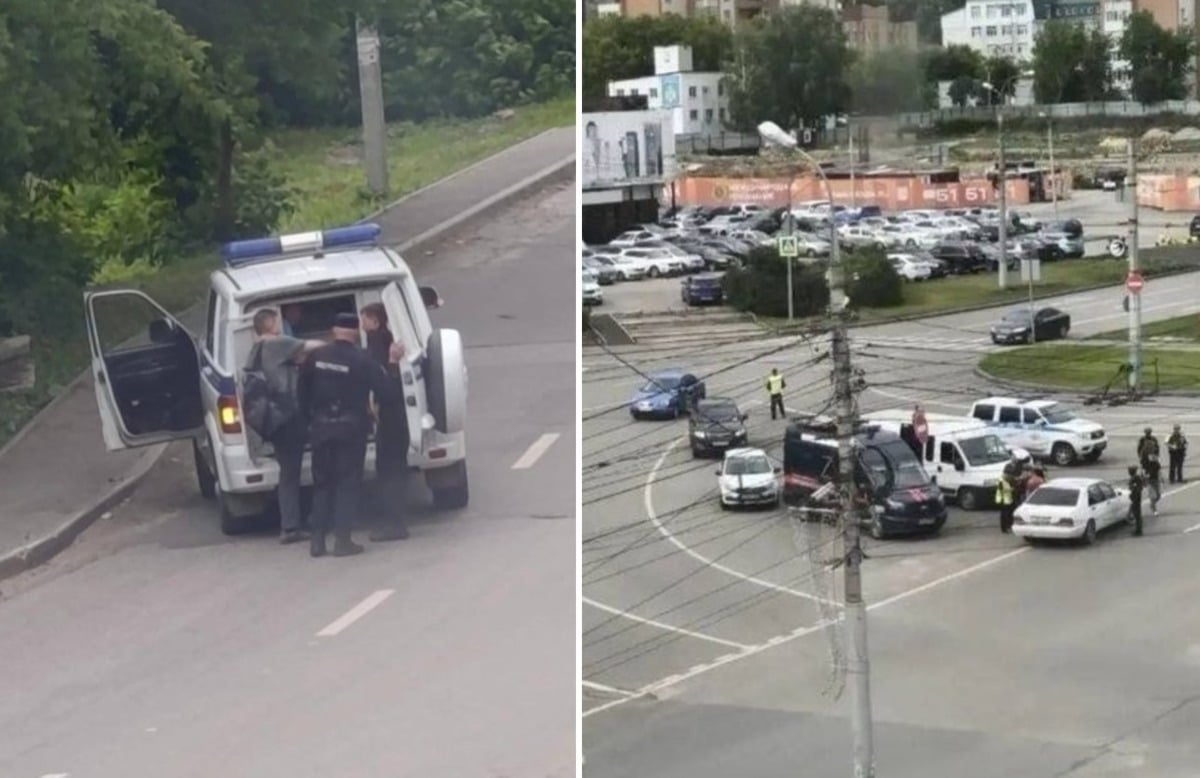
The Russian Federation’s capacity to sustain its war of attrition depends on a continuous supply of personnel to offset high frontline casualty rates. For the past three years, the Kremlin relied on financial incentives, convict recruitment, and administrative coercion—a mechanism known as crypto-mobilization. This voluntary contract recruitment system has reached structural exhaustion, forcing a choice between forced state mobilization and scaling back active military objectives.
The Attrition Function and Recruitment Exhaustion
The core challenge for the Russian defense apparatus is mathematical. To maintain frontline troop density and support ongoing ground assaults, the Russian Ministry of Defense must replace roughly 30,000 casualties per month.
Data from the first quarter of 2026 reveals a significant drop in voluntary enlistment. Regional contract sign-ups fell to approximately 71,216 for the quarter, down 20 percent from the 89,601 contracts signed during the same period in 2025. This decline persists despite significant increases in financial incentives, including federal debt relief measures of up to 10 million rubles (approximately $139,000) for new recruits.
This creates a clear structural imbalance:
Net Force Balance = (Voluntary Enlistment + Forced Inflow) - Monthly Attrition
When voluntary enlistment drops below the monthly attrition rate, the state must either accept a net reduction in frontline operational capacity or utilize involuntary personnel generation frameworks.
The Macroeconomic Paradox of Forced Mobilization
The decision to initiate a broad, compulsory mobilization wave is constrained by severe domestic economic bottlenecks. The Russian civilian economy operates under the most acute labor shortage in its modern history, driven by the flight of draft-age men, military call-ups, and the expansion of the defense industrial base.
The Civilian Labor Deficit
Diverting hundreds of thousands of additional men from the civilian workforce to the military introduces significant macroeconomic risks. Key industries, including agriculture, logistics, and energy extraction, face immediate personnel deficits.
Defense Industrial Base Constraints
The Russian military-industrial complex relies heavily on skilled industrial labor to sustain production of artillery, armored vehicles, and munitions. Because defense plants are already operating at or near maximum capacity, further conscription threatens to draw vital workers out of supply chains, undermining the domestic production of military equipment.
The Architecture of Secret Mobilization
To avoid the domestic friction and capital flight associated with a formal declaration of mobilization, the Kremlin has implemented a decentralized, rolling mobilization framework. This strategy uses existing bureaucratic mechanisms to quietly register and prepare the inactive reserve.
The Data Verification Pretext
Throughout the first half of 2026, municipal draft boards significantly increased the issuance of summonses under the official guise of "updating personal data." When citizens report to these enlistment offices, authorities utilize administrative pressure to insert physical mobilization orders into their military IDs. These orders require the recipient to report to specific transit points immediately if a general call-up is enacted.
The Role of Educational and Corporate Coercion
The state has decentralized recruitment targets down to civilian institutions. The Ministry of Science and Higher Education instructed university administrations to transition at least two percent of their male student body into active military training programs or direct contracts. In the corporate sector, human resource departments face mandates to surrender employee military identification files to facilitate targeted draft board processing.
The Active Reserve Legal Shift
A major structural adjustment occurred via legislative amendments passed by the State Duma. These changes altered the deployment criteria for the human mobilization reserve (zapas).
Previously, deploying inactive or contract reservists to active combat zones outside Russian borders required a formal declaration of war or a public mobilization decree. The revised framework allows the Ministry of Defense to deploy active reservists into expeditionary combat operations on a rolling basis without changing the formal legal status of the state.
This legal mechanism provides several distinct operational advantages:
- It permits a continuous, low-visibility influx of personnel to replace frontline attrition without triggering the public panic of a sudden mass draft.
- It lowers the immediate financial cost per soldier by utilizing pre-existing reserve structures rather than relying on escalating sign-up bonuses.
- It creates a bureaucratic mechanism to rotate out survivors of the 2022 partial mobilization wave, aiming to defuse growing domestic anti-draft sentiment among military families.
Frontline Utility of Low-Quality Human Capital
A primary assumption underlying the Kremlin's mobilization strategy is that sheer mass can compensate for deficits in advanced military technology. The tactical reality on the ground challenges this approach.
The integration of low-readiness reservists and forced conscripts into active combat units yields diminishing returns due to the evolution of the battlefield. The expansion of reconnaissance and strike drone networks by Ukrainian forces has created a highly transparent frontline environment. Deep zones of drone activity restrict large-scale mechanized movements and make infantry infiltration highly hazardous.
Adding thousands of untrained or minimally trained personnel into this environment does not scale offensive capabilities. Without an equivalent increase in electronic warfare systems, air defense counter-measures, and armored transport, mass mobilization results in higher attrition rates without securing corresponding territorial gains.
Strategic Outlook and Resource Tradeoffs
The current trajectory indicates that the Kremlin cannot sustain its operational posture through the end of the year solely on voluntary recruitment. The state apparatus has built the legal and bureaucratic infrastructure necessary to execute a quiet, continuous call-up of the reserve pool.
The primary risk for the Russian state is no longer just political blowback, but systemic economic disruption. If the Kremlin enforces a broad mobilization wave to meet its personnel requirements, it will accelerate the labor shortage within the civilian economy and potentially choke production inside its own defense industrial base. The alternative requires a fundamental reduction in operational objectives, forcing the military command to transition from broad offensive operations to a defensive, static posture designed to hold existing territorial gains.