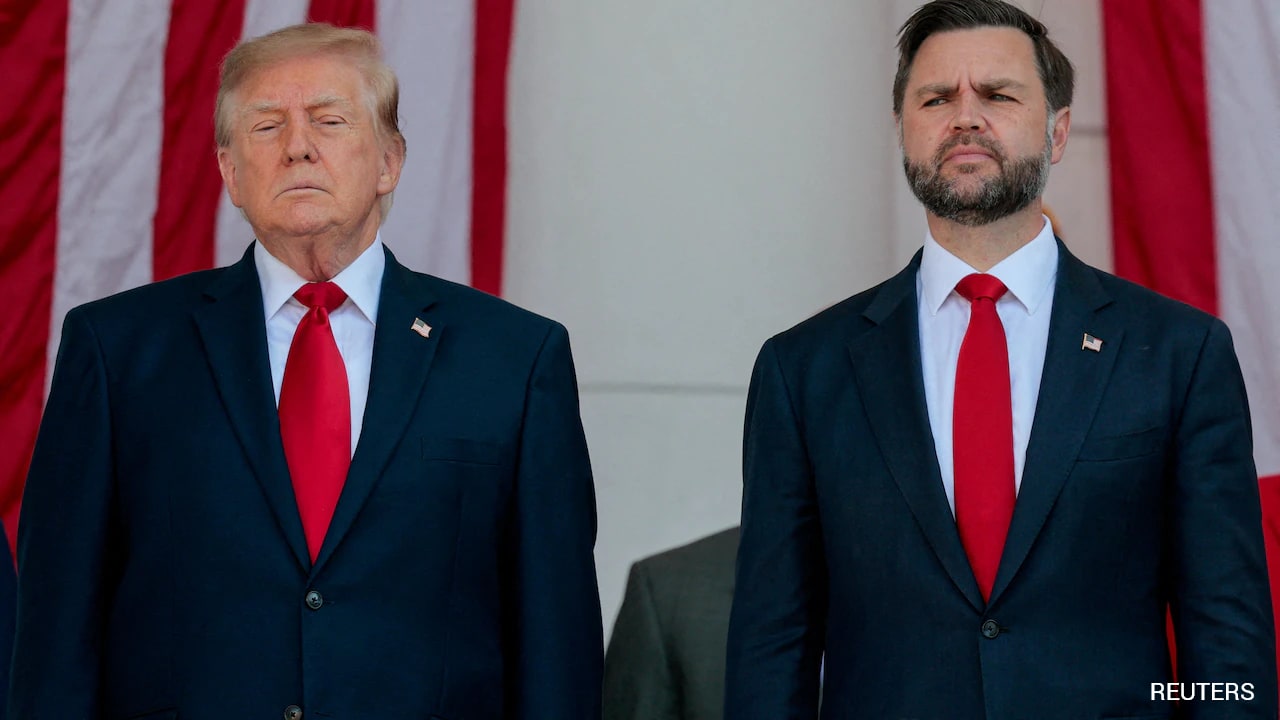
Political reporters love a palace intrigue story. Every few months, a fresh wave of anonymous leaks hits Washington claiming that Donald Trump and JD Vance are at odds, frustrated with each other, or quietly drifting apart. And every time, Trump steps in front of a microphone and flatly denies it.
The latest round kicked off after media reports suggested Trump was unhappy with his vice president over strategy and messaging. Trump pushed back directly, insisting he never said he was unhappy and dismissing the friction narrative altogether. If you've followed how Trump operates for more than ten minutes, none of this should surprise you. If you liked this article, you should look at: this related article.
What Actually Happened With the Latest Rift Reports
The cycle follows a predictable script. An outlet publishes a story citing unnamed insiders who claim Trump is privately irritated with Vance. Within hours, conservative media asks Trump about it, or he addresses it unprompted during a press gaggle.
In this specific instance, Trump rejected the premise entirely. He emphasized that he hadn't expressed dissatisfaction with Vance and framed the reporting as another attempt by hostile press outlets to manufacture division inside his administration. It wasn't a hesitant walk-back. It was a blunt shutdown. For another angle on this development, refer to the recent update from Associated Press.
You see this exact pattern repeatedly in modern political coverage. Reporters rely on second-hand impressions from staffers who want to elevate their own standing or settle internal scores. When those whispers make print, they get packaged as a major fracture at the top of the ticket.
Why Washington Media Keeps Betting on a Trump and Vance Split
There's a reason these stories get written so often. Historically, presidents and vice presidents rarely maintain warm, friction-free relationships. Think back to John F. Kennedy and Lyndon B. Johnson, or even the quieter policy disagreements between Barack Obama and Joe Biden during their first term.
Journalists cover the White House expecting that same friction to play out with Trump and Vance. They look at Trump's first term—specifically how his relationship with Mike Pence deteriorated over time—and assume history has to repeat itself.
That comparison misses the fundamental difference between 2016 and today. Mike Pence was a strategic marriage of convenience meant to reassure traditional evangelical and establishment Republicans. JD Vance was chosen for completely different reasons.
The Real Dynamic Behind Their Partnership
Vance wasn't brought onto the ticket to balance Trump ideologically. He was picked because he speaks the exact same populist language, defends Trump relentlessly on hostile television networks, and represents the long-term future of the America First movement.
When I look at how this White House functions compared to Trump's first administration, the alignment at the top is noticeably tighter. Vance understands two rules that past allies frequently forgot:
- Never outshine the boss. Vance consistently frames his policy wins and media appearances as extensions of Trump's agenda rather than personal branding exercises.
- Take the toughest media hits. Whether it's Sunday morning talk shows or combative press briefings, Vance steps into the fire so Trump doesn't always have to carry the daily messaging load alone.
Does Trump occasionally second-guess tactical decisions made by people around him? Of course he does. He does that with everyone—cabinet secretaries, campaign managers, and family members alike. In Trump's world, questioning a strategy in the moment isn't the same thing as wanting someone gone.
How to Read White House Leak Stories Without Getting Played
If you want to understand what's actually happening inside any administration, you have to filter out the noise. Most "tension" stories rely on anonymous sources who aren't actually in the room when the president and vice president talk privately.
Pay attention to observable actions instead of unnamed quotes. Look at who gets sent to negotiate major legislative deals on Capitol Hill, who travels alongside the president for high-stakes rallies or diplomatic trips, and who gets trusted to carry the administration's core message during tough news cycles.
By every measurable metric, Vance remains one of the most empowered vice presidents in recent memory. Until you see Trump publicly distancing himself from Vance's policy portfolio or stripping him of key assignments, treat anonymous reports of a rift with heavy skepticism. Watch the assignments, ignore the whispers, and judge the partnership by who actually holds the microphone when it counts.