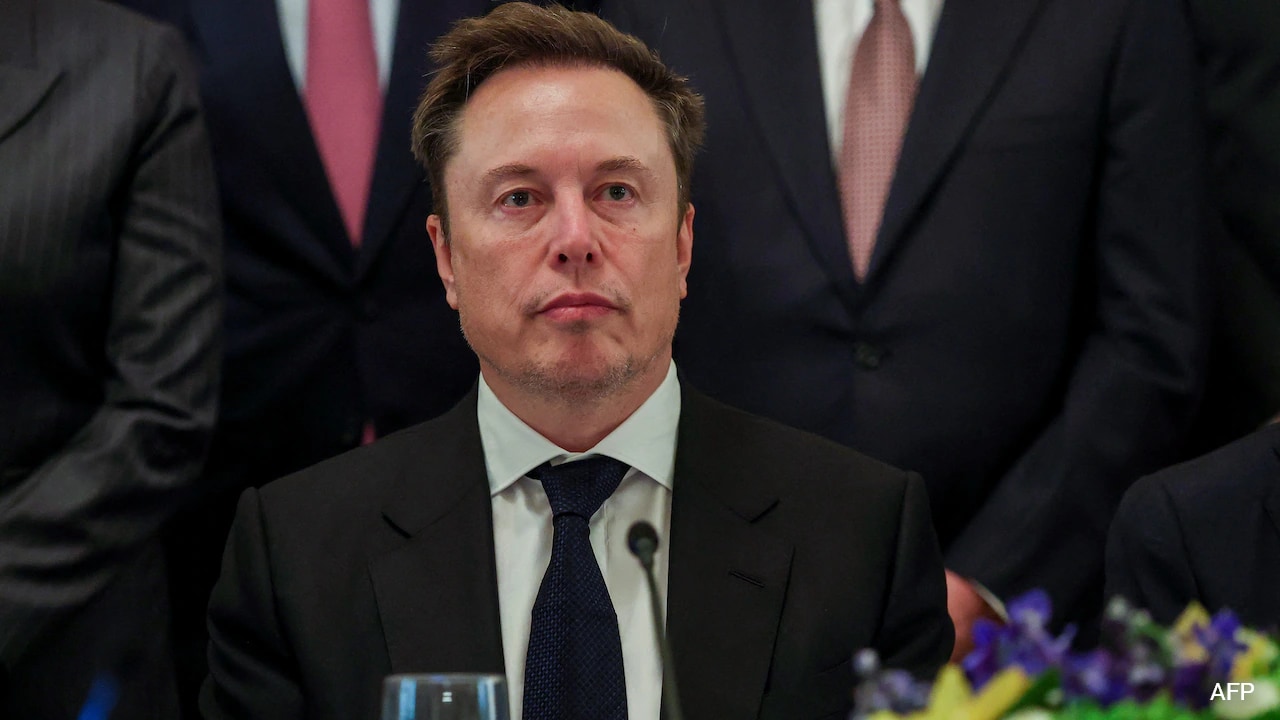
When America's top diplomat skips a national capital to visit a coastal industrial town in Gujarat, you pay attention. That's what happened in late October 2026 when U.S. Secretary of State Marco Rubio traveled to Jamnagar, where Reliance Industries runs the world's largest single-site oil refining complex.
Crude was hovering near $110 a barrel, U.S. diesel prices were squeezing American households ahead of midterm elections, and supply shocks in West Asia and Russia kept global fuel markets on edge. Rubio didn't show up just for a photo op with Mukesh Ambani and his family. Washington wants Jamnagar's refining muscle to absorb more Western Hemisphere crude—especially Venezuelan barrels—while tying Indian industrial capital into American energy and technology supply chains. Expanding on this theme, you can also read: Why Pete Davidson Lost $400,000 on His Staten Island Condo.
Honest truth? Most headlines treat this trip like a simple oil-buying pitch. It's way bigger than that. It exposes how badly the U.S. needs complex refining capacity right now, and why one private Indian conglomerate has become a geopolitical lever in its own right.
http://googleusercontent.com/lmdx_content/yKMzPNaMYtMGsTimBbtNtKssNAjnLJSPOTbUFAwlTzMjxXefciDBcpKLAKAhwoOTYjvhSFRStBHlXcgHZlctoqJYFZWFSdfDfugJClvMcQdxQBvgQczRdgZQKVgVDjdQjC147688 Experts at Bloomberg have also weighed in on this situation.
Why Jamnagar Matters More Than Raw Barrel Counts
Anyone who watches energy markets knows a dirty secret. Pumping oil out of the ground is only half the puzzle. Turning thick, sulfur-heavy, or awkward grades of crude into clean diesel, jet fuel, and petrochemicals requires serious chemical engineering.
Reliance's Jamnagar complex processes roughly 1.4 million barrels of crude oil per day across its twin refineries. Even more impressive than sheer throughput is its Nelson Complexity Index of 21.1. On an industry scale where basic distillation sits well under 5 and heavy-duty complex refiners score above 10, a 21.1 rating means Jamnagar can crack and upgrade lower-value, heavy crudes into high-margin fuels with remarkable flexibility.
Reliance notes that its configuration has processed over 216 different crude grades worldwide. Think about what that means when shipping lanes tighten or sanctions reshuffle trade routes. A rigid refinery chokes when its preferred crude grade gets expensive or scarce. Jamnagar can switch feedstocks, toggle between domestic Indian demand and export markets, and keep running at high utilization.
I've seen plenty of energy executives underestimate how much refinery configuration dictates geopolitical leverage. You can have plenty of crude in the ground, yet still face fuel shortages if you lack enough complex conversion units to turn heavy barrels into ultra-low-sulfur diesel. That's why analysts at firms like Kpler point to India's downstream resilience—and its push toward roughly 309.5 MMTPA of installed refining capacity by 2030—as a major buffer for global fuel supplies.
What Venezuela and Sanctions Politics Have to Do With It
Rubio's stop in Gujarat came right as Washington was looking for buyers and processing outlets for Venezuelan crude. Venezuelan oil tends to be extra-heavy and viscous, which makes it a natural match for complex refiners built to handle heavier feedstocks.
Data from Kpler showed Reliance already accounted for around 76% of India's Venezuelan crude imports in September 2026. At the same time, the White House had recently waived tariffs that could have hit major buyers of Russian crude under September legislation targeting top purchasers.
That balancing act tells you everything about how pragmatism is beating ideology in 2026. When diesel prices spike and conflicts threaten energy infrastructure across multiple regions, Washington needs practical workarounds. Rubio openly called India a refining "superpower" and framed energy directly around national security, arguing that economies buckle without reliable energy access.
Still, let's not get ahead of the headlines. Rubio made clear that Venezuelan supply alone won't magically cure every global disruption, even if higher output helps in the near term. And despite all the talk around Western Hemisphere barrels, no sweeping new binding deal on Venezuelan oil volumes or upstream production was immediately unveiled during the Jamnagar stop.
The U.S. Refining Bottleneck Behind the Visit
Why is the United States leaning on foreign industrial champions in the first place? Look at domestic capacity constraints.
Building a massive greenfield refinery in the U.S. takes years of permitting, steep capital costs, and environmental scrutiny. Reports around the broader U.S.-Reliance energy conversation have highlighted discussions around a proposed Texas refining project—framed as potentially the first major new U.S. refinery in roughly five decades—alongside long-term offtake arrangements for refined products. Meanwhile, broader market commentary has also pointed out that no formal, finalized U.S. refinery construction deal with Reliance has been locked in across every corner of the market.
That tension—between ambitious strategic talk and slow, capital-heavy execution—is super common in big energy projects. A handshake in Gujarat doesn't pour concrete in Texas overnight. Regulatory approvals, project economics, and crude slate assumptions all have to hold up under real scrutiny.
Even so, the strategic logic is hard to miss. With limited near-term greenfield refining additions in the U.S., ongoing pressure on Russian refining capacity, and China capping refinery expansion to meet emissions goals, global spare conversion capacity isn't exactly abundant.
Beyond Oil Into Green Energy and Tech
If you think this visit was strictly about gasoline and diesel, you missed half the tour. Alongside U.S. Ambassador Sergio Gor, Rubio met with Mukesh Ambani and Anant Ambani, visited Reliance's green-energy giga complex and Vantara wildlife rescue initiative, and touched on broader commercial themes spanning energy, critical technologies, and advanced manufacturing.
Reliance isn't a single-trick oil company anymore. It's building massive solar, battery, and green hydrogen ecosystems while leaning heavily into digital infrastructure and telecom. For U.S. officials pushing American technology, defense systems, and supply-chain diversification alongside energy trade, sitting down with a group that straddles legacy hydrocarbons and next-gen industrial buildouts makes complete sense.
Common Mistakes People Make Reading This Story
When energy geopolitics heats up, people tend to fall into a few predictable traps:
- Confusing refinery size with crude ownership. Having 1.4 million barrels per day of refining capacity doesn't mean Reliance owns oil fields everywhere. It's a processor and trader that buys feedstocks globally and sells refined fuels and petrochemicals.
- Assuming every diplomatic visit equals an instant contract. High-level visits signal alignment and open commercial doors. Actual cargo flows, joint ventures, or refinery investments take months—or years—to contract and finance.
- Treating energy policy as static. Tariffs, sanctions waivers, and crude sourcing preferences shift fast when fuel prices jump. What looks like a rigid red line one month can turn into a pragmatic exemption the next.
How to Track What Happens Next
If you're following this for markets, supply chains, or policy, skip the noise and watch concrete signals instead. Track monthly crude import data from analytics firms like Kpler to see whether Reliance's share of Venezuelan or U.S. crude actually rises. Keep an eye on U.S. diesel crack spreads and refinery utilization rates, which tell you right away how tight refined fuel margins really are. Finally, watch for formal regulatory filings or corporate disclosures from Reliance Industries rather than rumor—because real capital commitments show up on balance sheets long before they settle into permanent policy.
U.S. Secretary Marco Rubio Visits Reliance Refinery Amid $110 Crude provides video coverage of the Jamnagar visit and the broader energy market context surrounding the trip.