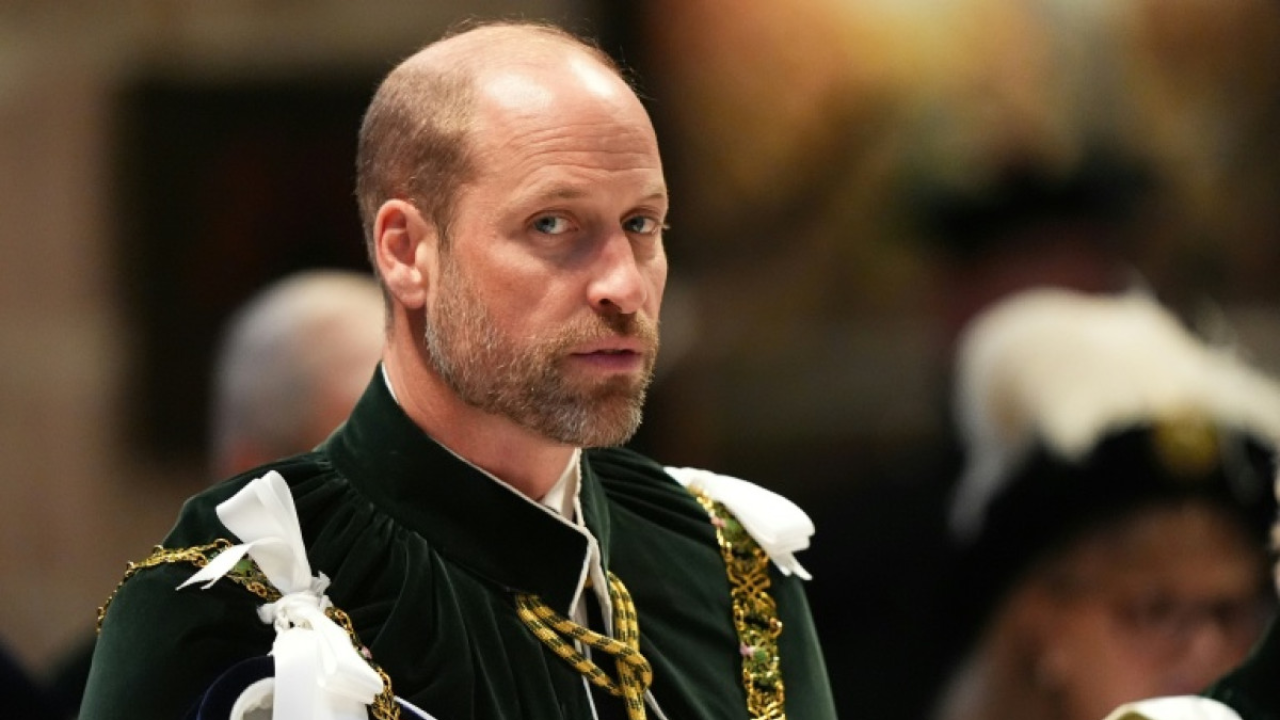
The media wants you to hyperventilate over who stands where in a cathedral. When headlines scream that the Prince of Wales is jetting off to Oslo to represent King Charles at the funeral of King Harald V in Norway, royal commentators treat it like a masterclass in high-stakes diplomacy.
It is nothing of the sort. It is expensive, carbon-heavy cosplay. For a deeper dive into similar topics, we recommend: this related article.
We are told that dispatching a future monarch to a Scandinavian state funeral is vital statecraft, a display of unshakeable Nordic-British alliance, and a crucial maintenance of soft power. I have watched diplomatic strategists burn through millions of pounds in security, private aviation, and logistical theater just to ensure a specific Windsor face occupies a specific wooden pew.
The lazy consensus says this presence alters geopolitical realities. The truth is much colder. Modern state funerals for constitutional monarchs are nostalgia tours for institutions that forgot how to adapt. For broader details on the matter, detailed analysis can also be found on Wall Street Journal.
Let us look at the mechanics of modern royal mourning. When a monarch passes, foreign offices do not scramble because they fear an economic embargo or a shifting border. They scramble because of optics. The Prince of Wales boarding a flight to Norway does not secure a trade deal, prevent a cyberattack, or lower European energy prices. It satisfies a nineteenth-century protocol fetish that survives purely because journalists need something to fill a twenty-four-hour news cycle.
If you think a missed royal flight causes diplomatic isolation, look at how actual statecraft operates behind closed doors. Ambassadors, trade ministers, and intelligence chiefs hammer out treaties over encrypted channels and boring afternoon meetings in Brussels or London. They do not wait for a grieving prince to whisper sweet nothings over a cold buffet after a Lutheran service.
Yet the pundit class insists this travel is paramount. They write breathless columns about historic ties between British and Norwegian crowns, ignoring the fact that these bloodlines are so intermarried they resemble a royal genetic bottleneck rather than a modern strategic partnership.
Let us dismantle the soft power argument directly. Soft power requires cultural resonance or economic leverage. Sending an heir to sit quietly in black wool while a choir sings hymns in a language ninety-nine percent of British taxpayers do not understand generates zero economic return. It is an arbitrary ritual masquerading as foreign policy.
Imagine a scenario where the British monarchy adopted corporate efficiency instead of clinging to ceremonial pageantry. Imagine the Prince of Wales staying home, recording a thirty-second video message of condolence, and redirecting the multi-thousand-pound security bill toward something that actually moves the needle on bilateral relations, like green energy technology sharing or Arctic security research.
The public would hyperventilate for twenty-four hours, accuse the palace of disrespect, and then move on. Within a week, the Norwegians would realize they received the exact same amount of practical governance support—zero—while saving their own security forces millions in crowd control.
The obsession with who attends these events exposes a fundamental misunderstanding of power dynamics in the twenty-first century. Power flows through supply chains, semiconductor fabrication plants, and military deterrence. It does not flow from who wears the most expensive sash at a cathedral door in Oslo.
When King Harald V’s journey ends, the eulogies will flow. Pundits will dissect the body language between European royals on the steps of the Oslo Cathedral, searching for signs of tension or reconciliation like medieval astrologers reading sheep entrails. They will analyze whether Prince William looked sufficiently solemn or if he nodded too quickly at the Swedish monarch.
It is exhausting, empty television.
We keep funding this theater because the alternative requires admitting that hereditary monarchies are entirely symbolic entities clinging to an illusion of utility. As long as the media treats funeral attendance as geopolitical chess rather than expensive mourning tourism, the taxpayer will keep footing the bill for private jets flying short distances to carry men in black ties to empty ceremonies.
Stop confusing mourning with governance. Prince William going to Norway changes nothing about the price of gas, the defense of the North Sea, or the stability of Europe. It is just a very expensive photo op for people who still think the map belongs to Queen Victoria.