Cold. Damp. Smelling faintly of wet granite and crushed eucalyptus leaves that blew in during an autumn squall.
I stood at the mouth of a narrow rock crevice high in the Australian Alps before dawn, listening to a sound I almost didn't trust. When you've spent years walking through quiet alpine caves that used to hold thousands of resting insects, silence becomes your baseline. You stop expecting movement. You start measuring absence instead.
Then came the dry, papery rustle of overlapping wings shifting in the dark.
Bogong moths are back in noticeable numbers across parts of southeastern Australia, rebounding after a devastating crash several years ago that pushed them onto international conservation watchlists and left mountain ecologists bracing for a permanent hollow in the high-country food web. To read a standard conservation update, you might simply see percentages, survey counts, and climate notes. Numbers matter. I respect data. Yet numbers rarely tell you what it feels like to watch a mountain lose its night shift—or what happens when a tiny, brown-winged traveler starts finding its way home again.
A Cave That Forgot How to Breathe
To understand why a comeback matters so much, you have to understand what went wrong.
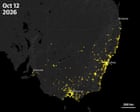
Bogong moths (Agrotis infusa) live one of the strangest lives in the insect world. Born across inland plains and agricultural basins—hundreds of kilometers away from the snowline—young moths fly south each spring under the cover of darkness. Guided by the stars and Earth's magnetic field, they climb into the cool, high elevations of the Australian Alps to escape scorching summer heat. Inside shaded caves and rock fissures, they pack tightly together in a state of summer dormancy called aestivation, conserving energy until autumn calls them back to breed.
For generations of Indigenous peoples in the region, those gatherings were part of an ancient seasonal rhythm, celebrated in lore and tradition as rich, nutritious protein gathered from cool alpine stone. For alpine wildlife—from mountain pygmy-possums to ravens and small mammals—those dense clusters of fat-rich moths meant survival during brief, demanding mountain summers.
Then came the drought years and extreme weather swings across southeastern Australia. Inland breeding grounds dried out or swung wildly between heat, drought, and flood. By the late 2010s, surveys recorded a staggering collapse in bogong moth numbers arriving in the high country. Caves that once held dense blankets of overlapping bodies looked bare. Mountain pygmy-possums faced leaner pickings at a critical moment in their own recovery. Even city dwellers hundreds of miles away noticed fewer moths fluttering toward porch lights on warm nights.
I remember talking to a high-country ranger during one of those bleak summers—let's call her Claire, a composite character drawn from real alpine field workers I've spoken with over the years, though her frustration was entirely real. She shone a headlamp into a granite overhang she had visited for over a decade. Nothing. Just cool rock and a spiderweb trembling in the draft.
"People think of a moth as a nuisance around a lamp," Claire told me, rubbing cold hands together as mist rolled up the slope. "They don't think of a five-centimeter insect as the glue holding a mountain together."
She wasn't exaggerating. If you picture an alpine ecosystem as a dry-stone wall—a metaphor I'm using here to make a complex web of interactions easier to picture—you don't notice the small wedge stones until rain washes them out. The big boulders stay put for a while. Then the wall sags.
Why a Small Moth Carries Such Heavy Stakes
It is easy to doubt whether a rebound in one insect species changes much of anything. I've felt that skepticism myself when looking at environmental recovery stories. Sometimes a single good year looks like salvation on paper, only to fade when the next heatwave hits.
Honesty requires admitting we don't have all the answers yet. Insect populations fluctuate naturally from year to year, shaped by rainfall patterns across vast inland regions, soil moisture, predator pressure, and shifting weather systems. A revival in bogong moths doesn't mean the climate crisis is solved or that every alpine cave is back to mid-twentieth-century abundance.
Still, the stakes attached to this moth are bigger than most people realize.
First, there is the food web link. Bogong moths are high-calorie packages moving energy from broad inland lowlands up into nutrient-poor alpine rock and scrub. When they arrive in strong numbers, predators and omnivores get a vital boost during months when alpine resources can be tight.
Second, there is the quiet miracle of navigation. Scientists have spent years studying how bogong moths steer across huge distances at night using visual cues and geomagnetic sensing. Watching them return in healthier numbers is a tangible sign that their migration corridor and seasonal cues are still functioning—at least for now.
To see how delicate that chain is, consider a hypothetical scenario. Imagine a farmer on the dry western plains in early spring, watching pale green shoots struggle through dry topsoil while evening skies stay clear and bright. If spring rains arrive on time across those inland breeding areas, grasses and weeds flourish, caterpillars feed well, and millions of young moths launch south on favorable winds. If drought bakes the plains or unseasonable extremes hit at the wrong window, that entire wave can falter before it ever reaches the snow gums.
That connection between distant farmland, inland weather, and high mountain caves is why bogongs matter so deeply. They are living couriers between two worlds that rarely think about each other.
The Return That Caught Us Off Guard
Rebounds rarely announce themselves with trumpets. Mostly, they show up as small surprises in quiet places.
In recent seasons, researchers and alpine observers have reported encouraging signs of recovery: noticeably higher counts in monitored caves and traps compared to the depths of the crash, alongside renewed sightings in regions where numbers had dipped alarmingly low. Better rainfall and more favorable conditions in key inland breeding zones helped fuel stronger emergence, letting migrating swarms rebuild momentum toward the highlands.
Watching that recovery unfold has shifted the mood among people who track high-country ecology. Cautious relief has replaced sheer alarm.
Let's bring Claire back into the frame—again, a composite voice reflecting real field observations—standing on a ridge at dusk as a light breeze carries the scent of damp earth and snow gum resin. A pale shape flickers past her headlamp beam, then another, then a dozen drifting toward darker shelter below the rim.
She doesn't cheer. Field biologists rarely do when watching wildlife; they keep one eye on the sky and one eye on next year's forecast. Instead, she smiles slowly, the kind of smile you get when a patient finally takes a deep, steady breath on their own.
"You can't fake a migration," she says quietly. "Either they're there, or they aren't."
That simplicity cuts right through the jargon. A comeback isn't a press release. It's wings folding neatly inside a cool crack in the rock while summer sun beats down outside.
What It Takes to Keep Them Coming Back
If bogong moths are bouncing back, the obvious question is how to help that recovery stick rather than treating it like a lucky streak.
Nothing about protecting a migratory insect is simple, because its life spans jurisdictions, habitats, and seasons. Yet a few clear priorities stand out when you trace the moth's path from plain to peak:
- Protect inland breeding and stopover habitats: Healthy native vegetation, shelterbelts, and thoughtful land management across plains and foothills give young moths food and cover before the long flight south.
- Mind the night sky: Artificial light disorients nocturnal travelers, drawing moths away from their flight paths and exhausting energy they need to reach high-altitude shelter.
- Keep alpine caves and foraging grounds intact: Safeguarding high-country rock refuges and native nectar plants ensures returning moths find cool sanctuaries and fuel when they arrive.
- Stay clear-eyed about weather extremes: Because boom-and-bust cycles are part of life in variable climates, long-term monitoring matters far more than reacting to a single good or bad season.
Each of these steps sounds modest on its own. Turn off an unnecessary outdoor floodlight. Leave native shrubs along a paddock edge. Keep hikers and pets away from sensitive roosting crevices. None of it looks dramatic. All of it adds up when millions of small creatures are trying to cross half a continent in the dark.
Looking Up at the Night Shift
I still think about that early-morning crevice in the Alps.
Before leaving, I knelt low and aimed the beam gently across the cool stone, careful not to linger too long or disturb the quiet. In the dim light, tucked neatly against the granite, sat dark, folded wings—still, patient, waiting out the day.
One.
Then another.
Then a whole quiet company of travelers holding fast to an ancient route through a warming, unpredictable world, proof that even when a system bends close to breaking, life can still find the dark and begin again.