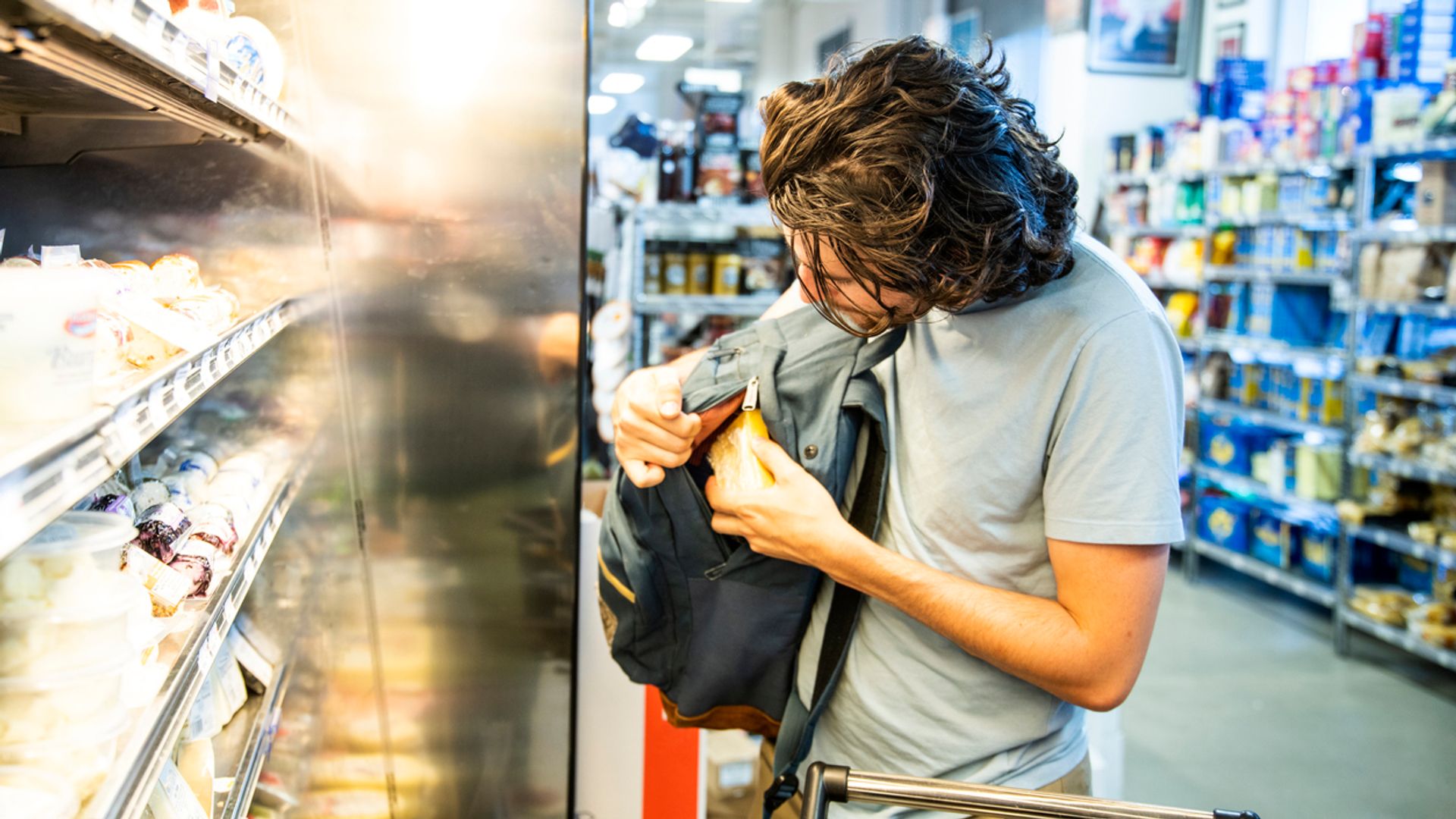
High street shrinkage has crossed a threshold. When major brands pool resources with local constabularies to target everyday inventory loss, the baseline for urban commerce has shifted permanently.
Greggs and Marks & Spencer have partnered with police forces in targeted areas to combat surging rates of retail theft, a coordinated push reflecting an escalating operational crisis across British high streets. The initiative brings corporate security assets and public law enforcement into closer alignment, aiming to disrupt repeat offenders and organized theft rings targeting urban convenience stores and bakeries. Don't forget to check out our earlier coverage on this related article.
Thirty years covering corporate logistics and urban retail decay teaches you one absolute truth. When sausage rolls and premium sandwiches require armed deterrence or sophisticated intelligence-sharing pipelines, the social contract binding neighborhood commerce has fractured. This is not merely about stolen inventory. It is an indictment of modern economic strain, failing municipal resources, and the corporate scramble to plug holes in a sinking ship.
The Anatomy Of Modern Shrinkage
Retail theft has evolved past the petty pilfering of decades past. It now operates on industrial logistics. Organized groups target high-turnover items like packaged sandwiches, premium proteins, and branded coffees because they convert rapidly into cash on secondary black markets. To read more about the background of this, The Motley Fool provides an excellent breakdown.
When M&S and Greggs join forces with local law enforcement, they are reacting to a structural breakdown. Traditional asset protection measures—door greeters, basic CCTV, and electronic article surveillance tags—fail against offenders who view security guards as polite obstacles rather than legal authorities. Private security personnel lack the power of arrest in most routine scenarios, creating a vacuum that police forces, themselves stretched thin by budget cuts, have historically struggled to fill.
The partnership relies on shared intelligence networks. Retailers track prolific offenders using facial recognition or internal databases, feeding profiles directly to neighborhood policing teams. Officers target repeat offenders whose cumulative thefts cross legal thresholds, turning dozens of minor incidents into prosecutable offenses.
Yet, this partnership papers over systemic cracks. Police forces are prioritizing commercial retail crime not out of boundless capacity, but because corporate pressure has become too loud to ignore. Meanwhile, smaller independent shopkeepers watch major chains secure dedicated police liaison while their own corner shops absorb devastating losses without a whisper of institutional help.
The Cost Of Doing Business In A Fractured Economy
Margins in food retail are razor-thin. A stolen artisanal loaf or a tray of hot pasties does not just represent a few pounds lost; it erodes the profitability of entire shifts.
Corporate balance sheets absorb these losses under the cold accounting term "shrink," but the human cost manifests on the shop floor. Frontline workers face escalating hostility. Shoplifters are increasingly brazen, often threatening staff who attempt intervention. Retail workers did not sign up to act as frontline law enforcement officers. When corporate headquarters orchestrates police crackdowns, they are attempting to restore order to environments where staff safety has deteriorated significantly.
Consider a hypothetical shift at an inner-city branch. A lone supervisor manages the register while two guards stand near the entrance. An individual walks past, grabs four ready-meals, and exits without breaking stride. The supervisor sighs, logs the loss, and returns to the queue. Multiply this scenario across five thousand stores nationwide every single day. The financial hemorrhage is staggering.
Public relations teams frame these joint operations as community-strengthening initiatives. The reality is more transactional. Retailers demand protection because the alternative is abandoning urban centers entirely, leaving food deserts in neighborhoods deemed too volatile to service profitably.
Why Traditional Policing Failed Retailers
Law enforcement agencies spent the last decade retreating from low-level property crime. Budget austerity forced police chiefs to triage calls, prioritizing violent crime and immediate threats to life. Shoplifting fell into a category of administrative nuisance.
Thieves quickly mapped this operational shift. Decriminalization in practice—where stealing under a certain monetary value rarely warranted a squad car response—created an open-market incentive structure. Criminals realized that even if apprehended by private security, the worst outcome was a polite escort to the exit.
The Greggs and M&S strategy attempts to reverse this impunity by engineering a friction point. By pooling data, corporate analysts and municipal police construct dossiers on prolific local thieves. When an individual accumulates dozens of recorded offenses, prosecutors can build cases that demand custodial sentences or criminal behavior orders, legally barring repeat offenders from entering commercial zones.
This tactical shift works temporarily. Crime drops in trial zones as habitual offenders relocate to neighboring districts where security is laxer. Displacement, however, is not a solution. It is a game of geographical whack-a-mole that fails to address why individuals are stealing basic foodstuffs in broad daylight.
The Underground Economy Of Stolen Goods
Stolen goods require buyers. The high street shrinkage crisis persists because a robust secondary market exists for stolen groceries and convenience items.
Pubs, independent corner stores with dubious supply chains, and online marketplaces absorb truckloads of illicitly acquired merchandise. When a thief walks out of an M&S with fifty pre-packed salads, those items are often sold within the hour to local vendors at a steep discount.
Corporate security teams have begun treating retail theft like corporate supply chain auditing. They trace the flow of stolen goods backward, identifying the intermediaries who profit from street-level crime. Police involvement makes this investigative leap possible, granting access to search warrants and surveillance powers unavailable to private enterprises.
This brings us to an uncomfortable gray area. Are retailers spending millions on intelligence platforms and police partnerships more effectively than if they simply raised wages, lowered prices, or invested in community support structures? Shareholder primacy demands protection of assets. Ethics departments murmur about social responsibility. The former always wins.
The Limits Of Corporate Security Theater
No amount of police coordination will solve a crisis rooted in declining purchasing power and social fragmentation.
When living costs outpace wage growth, property crime becomes an economic survival strategy for some and a low-risk, high-reward hustle for others. Hardening targets through police partnerships pushes the problem underground rather than eradicating its root causes.
As M&S and Greggs expand these pilot programs nationwide, the high street transforms into a monitored zone. Uniformed officers, private guards, and networked cameras create an environment of hyper-surveillance. Shoppers navigate turnstiles, receipt checks, and guarded exits just to purchase lunch.
The social texture of public commerce frays a little more with every added security layer. We are building a fortress economy to protect the distribution of daily bread, pretending the walls will keep the underlying pressure out indefinitely.