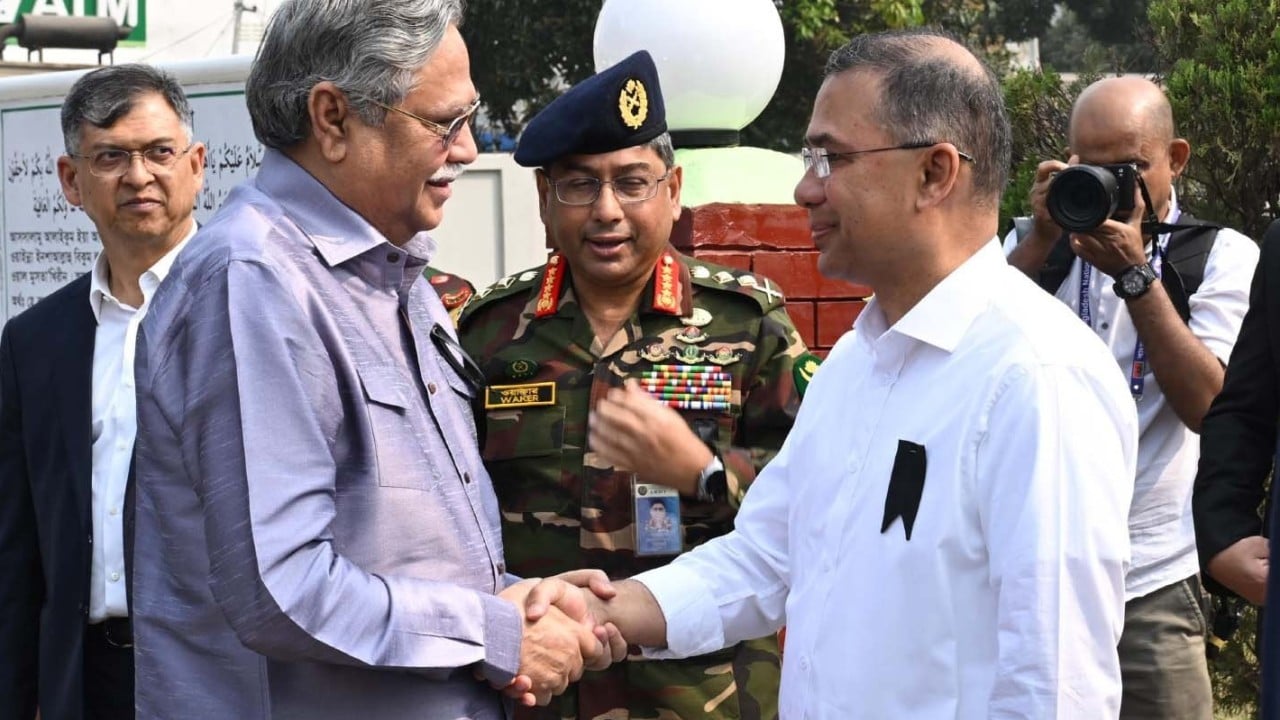
The last piece of the old guard just collapsed in Dhaka. Bangladesh President Mohammed Shahabuddin officially resigned, bringing a sudden end to his tenure and cutting the final constitutional thread tied to the former regime.
If you've been watching the chaotic political theater in South Asia, this isn't just another routine bureaucratic shuffle. It is a massive roadblock for ousted Prime Minister Sheikh Hasina, who recently sent shockwaves through the region by announcing her intention to fly back from exile in India this December to face a war crimes tribunal.
By stepping down, Shahabuddin doesn't just vacate a ceremonial office. He leaves his former political benefactor completely isolated, stripped of any institutional cushion before she steps foot back on Bangladeshi soil.
The Quiet Phone Calls That Cost a Presidency
Shahabuddin, standardly known by his nickname "Chuppu," officially cited deteriorating physical and mental health in his resignation letter sent to Parliament Speaker Hafiz Uddin Ahmad. But let's be real. Nobody in Dhaka is buying the medical excuse.
The underlying reality is a story of backroom rifts and immense structural pressure. The current government under Prime Minister Tarique Rahman had grown thoroughly uncomfortable with the president. Rumors had been swirling for months that Shahabuddin was quietly maintaining an active line of communication with Hasina while she lived in exile.
"Due to worsening physical and mental incapacity... it is no longer possible for me to properly discharge the responsibilities of an important constitutional office," Shahabuddin wrote in his letter.
The breaking point arrived following reports that the 76-year-old president allegedly called Hasina during a medical trip to London. While he explicitly denied those allegations, the damage was done. Once Hasina publicly declared her dramatic December return plan, the Rahman administration gave Shahabuddin a blunt ultimatum: step aside. The government could not risk having an old Awami League loyalist sitting in the presidential palace when the most polarizing figure in modern Bangladeshi history returns to face justice.
Hasina Miscalculated Her Safety Net
When student-led protests escalated into a full-scale national uprising, forcing Hasina to escape by military helicopter, she left behind a completely shattered party. Her Awami League is now legally banned. Her former ministers are either sitting in prison cells or hiding out in undisclosed locations.
Shahabuddin was literally the last man standing from her administration. He was elected unopposed back in 2023 because Hasina's machine controlled the legislature.
Her strategy for returning to Bangladesh seemed to count on a lingering constitutional gray area. If the president who owed his career to her was still in office, her return might have retained a sliver of institutional protection or legal leverage. Now? That safety net is gone.
She is heading back to a country where the International Crimes Tribunal has already sentenced her to death in absentia for her severe crackdown on the 2024 protests. When her plane lands, she won't be greeted by sympathetic state officials. She will be facing a state apparatus completely consolidated by her fiercest political rivals.
What Happens to the Power Vacuum Right Now
Under the strict terms of the Bangladeshi Constitution, Parliament Speaker Hafiz Uddin Ahmad assumes the role of interim president. He will hold the position until lawmakers can organize a fresh election to choose a permanent head of state.
This transition effectively locks down the state machinery. For regular citizens and international observers, the immediate priority shifts to tracking how the interim setup manages the volatile political environment.
If you are tracking investments, international diplomacy, or regional security in South Asia, the next steps are highly tactical:
- Monitor Court Dockets: Watch the upcoming trial procedural dates from the International Crimes Tribunal. The legal framework built to try Hasina will dictate the exact nature of her arrest the moment she crosses the border.
- Track Security Deployments: The Rahman government is highly likely to increase security cordons around major transit hubs and government buildings in Dhaka to preempt any localized street clashes from remaining Awami League underground factions.
- Assess Border Points: Keep an eye on bilateral statements out of New Delhi. Hasina's departure from India will mark a massive shift in how the two neighboring nations manage their diplomatic ties moving forward.
The illusion of a lingering old-regime presence in Dhaka has completely evaporated. Bangladesh has fundamentally closed the door on the Hasina era, and her high-stakes gamble to return this winter just became a run directly into a legal buzzsaw.


