Silence.
It is the first thing a person notices after a sound that should never have existed inside a room full of crayons, taped-up construction paper, and small shoes lined up against a baseboard. Not the silence of a library at dusk, nor the hush of snow settling over a pine ridge in Oregon. It is a heavy, metallic quiet that presses against the eardrums and makes every breath sound too loud.
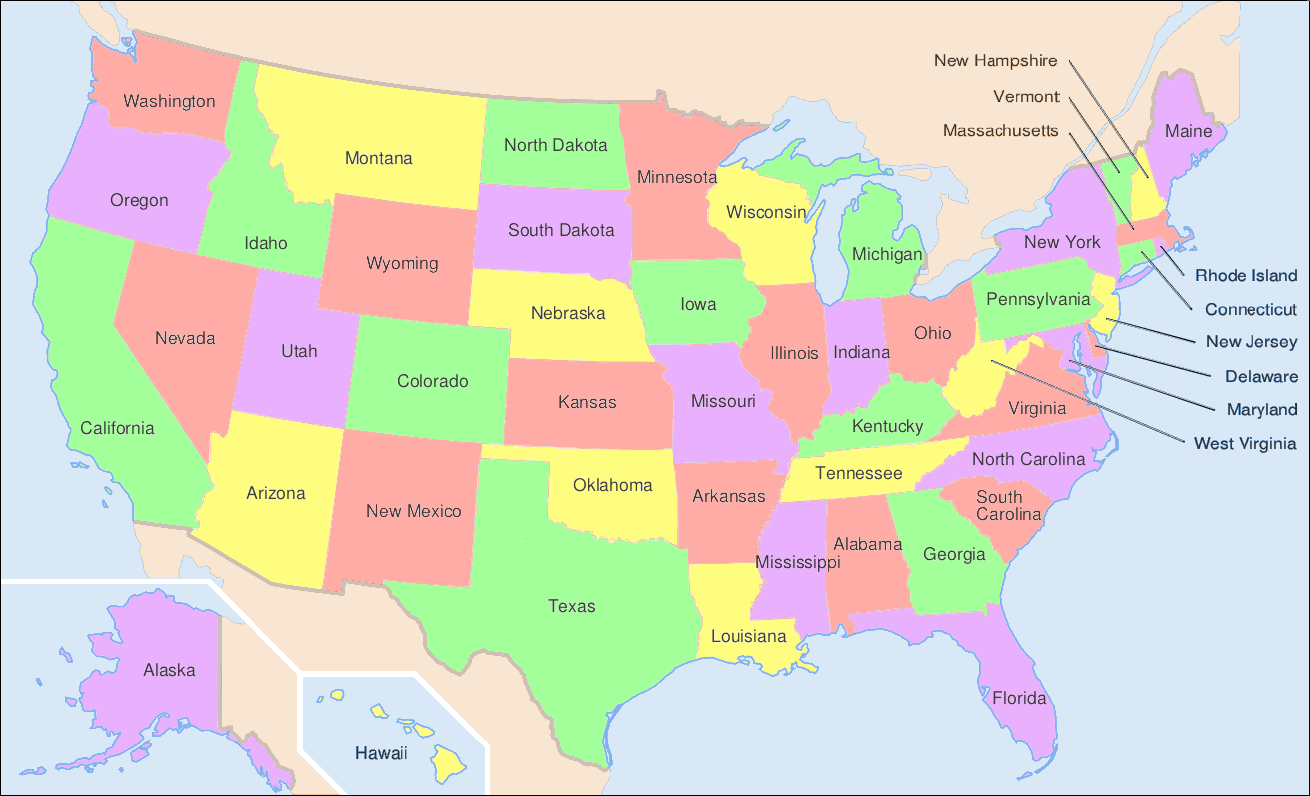
In a small Oregon community, a morning that began with damp air, coffee thermoses, and the familiar shuffle of children walking toward an elementary school ended with at least five people dead. Those are the words that travel first across wires and screens: at least five dead. Five lives reduced in a single headline to a floor count, a minimum threshold that leaves room for worse news in the next hour.
I have stood inside buildings after tragedies like this—not always in Oregon, and never once in a place where the grief felt tidy or contained. You smell floor wax mixed with something sharp and unfamiliar. You see a backpack sitting upright on a linoleum tile, its zipper pulled halfway, holding a half-eaten granola bar and a folded worksheet covered in uneven block letters. You notice how ordinary objects suddenly carry an unbearable weight because the hands that reached for them five minutes earlier are gone.
And then comes the part no headline captures: the hours that stretch between the initial report and the moment a parent actually holds their child again.
The Hour Between Alert and Answer
When violence strikes a school, time stops moving in minutes and starts moving in rumors.
Imagine a hypothetical parent—let us call her Hannah—sitting at a kitchen counter thirty miles away when her phone buzzes with a school district alert. To be clear, Hannah is a composite figure drawn from dozens of parents I have spoken with over the years, people who lived through lockouts, reunification centers, and agonizing waits in gymnasiums and fire stations. Her details are hypothetical, though the racing pulse and dry mouth are drawn straight from real testimony.
At first, the message is vague. Shelter in place. Law enforcement on site. Your mind tries to stay rational. Maybe there is a medical emergency down the block. Maybe a stray dog wandered onto the playground. Maybe it is a drill someone forgot to announce.
Ten minutes later, a neighbor texts a link to a local news feed. Five dead. Elementary school. Oregon.
Suddenly, every ordinary sound in the house feels like an accusation. The hum of the refrigerator. The tick of a wall clock. You try to call the main office line, and it rings endlessly or goes straight to a busy tone because hundreds of other people are dialing the exact same ten digits at the exact same second. You check social media even though you know better, refreshing a feed that churns out unverified claims faster than any official can correct them.
Consider what happens next: a community is asked to wait patiently while professionals piece together a chaotic scene.
Patience is easy to demand from a distance. It is nearly impossible when your entire future is behind a police perimeter tape line. Law enforcement officers clearing hallways room by room are operating under strict tactical protocols—moving methodically, checking for secondary threats, securing scenes so investigators can document evidence accurately. Every second of careful clearance feels like an eternity to someone standing behind a barricade wondering if their child is safe or injured or already counted among the five.
Even after official briefings begin, early casualty numbers are often phrased cautiously. At least five dead. Officials use cautious language because chaos obscures counts in the first hours—patients are rushed to different hospitals, identities must be confirmed carefully so no family is notified by mistake, and scenes must be verified before final tallies are released. That caution is necessary for accuracy, yet to families waiting in fear, every qualifying word feels like a trapdoor beneath their feet.
Why an Elementary School Hits Differently
Every shooting in America tears open a familiar wound, yet an elementary school carries a distinct, aching vulnerability that stops even hardened observers in their tracks.
Elementary school is where childhood is supposed to be protected by sheer innocence. High schoolers carry phones, have opinions, and walk the edge of adulthood. Middle schoolers are loud and awkward and beginning to push away. Elementary students are still small enough to need help opening milk cartons at lunch and tying wet shoelaces at recess. Their world is built on trust: trust in the crossing guard at the corner, trust in the teacher reading aloud after lunch, trust that grown-ups have made the building safe.
When gunfire shatters that trust, it does not just harm the people inside the building. It alters the internal map of everyone watching.
Think of it like a pane of glass in a quiet house. Before the crack appears, you barely look at the window; you just look through it at the yard beyond. Once a fracture runs across the center, you cannot stop seeing the line, even when the sun is shining. Every siren two miles away makes shoulders tense. Every school drop-off feels slightly more fraught, slightly less automatic.
I have watched parents try to hide that tremor in their voices as they wave goodbye at a classroom door. Children are remarkably perceptive sponges; even six-year-olds who do not grasp the full mechanics of violence can read the tight jaw of a mother or the sudden quiet of a father on the drive to school. They feel the shift in grown-up gravity even when no one says a word about the news.
And educators carry a burden that rarely makes the front page. Teachers and staff members do not sign up expecting to become emergency responders, shield-bearers, or trauma counselors in the span of a single bell period. Yet time and again, school employees guide terrified children into closets, keep them quiet in the dark for hours, and step between danger and students whose names they learned only weeks ago. When lives are lost in a school, the grief reaches deep into the faculty lounge, the cafeteria, the bus routes, and the quiet routines that held the building together.
The Noise After the Sirens
In the days immediately following a tragedy like this Oregon shooting, the outside world arrives in waves.
News trucks park along quiet residential streets. Cameras frame somber press conferences against rows of patrol cars. Politicians offer condolences shaped by familiar talking points, while commentators argue over motives, security measures, and policy divides before the soil has even settled.
Outrage is loud. Grief is quiet.
In the middle of that clash, the people actually living inside the blast radius often feel invisible. A town of a few thousand residents does not suddenly become a television set without feeling disoriented. Neighbors who used to wave over backyard fences now find strangers asking questions on sidewalks. Local businesses wonder whether to open or close, how to show solidarity without turning sorrow into a spectacle.
We tend to treat tragedies as discrete events—a date on a calendar, a breaking-news banner, a tally of the dead. Yet trauma does not obey news cycles. For a survivor sitting in a hospital bed, or a sibling staring at an empty bedroom across the hall, or a first responder replaying radio traffic in the dark at three in the morning, the story does not end when the national cameras pack up and drive to the next story.
A metaphor helps here, provided we keep its limits clear: grief after sudden violence is less like a storm that blows through and clears the sky, and more like cold water soaking into timber. This is a comparison, not a literal measurement of human pain, because no single image can hold what a grieving family endures. Still, the weight lingers. Months later, a song on the radio, a change in weather, or the start of a new school year can bring the entire day rushing back with startling force.
What Real Help Looks Like When the Spotlight Fades
If there is any honest place to look for strength after an elementary school tragedy, it is rarely at a podium. It is in the unglamorous, patient work that happens weeks and months later when the headlines move on.
Trauma researchers and crisis counselors have pointed for years to a sobering pattern: communities often receive an outpouring of attention and donations in the first ten days, followed by a steep drop-off just as long-term emotional and practical needs begin to mount. Medical bills trickle in. Families navigate funeral arrangements and legal questions while exhausted. Students struggle to sleep, focus, or separate from parents at bedtime.
What actually helps in those stretches is rarely grand rhetoric. It is steady presence.
It looks like a neighbor dropping off groceries without expecting conversation. It looks like school districts investing in genuine mental health support for both students and staff—not a single assembly and a flyer handed out on a Friday, but ongoing care that respects how differently children process shock. A second-grader may not have the vocabulary to say I am terrified something bad will happen again; instead, they might complain of stomachaches every morning or cling to a parent's leg at the door.
It also requires a measure of intellectual honesty from all of us. When a tragedy strikes a school in Oregon or anywhere else, people rush to certainty—certainty about who is to blame, certainty about what single fix would have prevented it, certainty about how others should feel. Admitting uncertainty is uncomfortable, especially when we want simple answers to intolerable pain. Yet pretending we have all the answers when complex human, social, and safety factors collide only deepens the noise.
Real accountability and real care both demand clear eyes. We owe the victims and survivors more than performative shock. We owe them accurate reporting as facts are confirmed, fierce protection for families' privacy while they grieve, and sustained support long after the cameras leave town.
The Empty Chair by the Window
Think back to that elementary classroom in Oregon before the morning went wrong.
Somewhere near a window, there was probably a chair assigned to a specific child or a desk where a teacher set down a mug of coffee between morning arrivals. Maybe there was a poster on the wall reminding students to be kind, or a calendar marking the days until winter break. Ordinary details. Small promises that tomorrow would look much like today.
When at least five people lose their lives in a place built for learning and growing up, those ordinary details do not disappear—they become hauntingly sharp. Every pencil left in a cup, every coat hanging on a hook, every unanswered text message from a worried parent becomes a marker of a line crossed that can never be uncrossed.
A community can rebuild schedules. It can hold vigils, plant trees, hang ribbons, and learn how to carry sorrow side by side with daily life. It will never simply go back to who it was before the sound began.
And long after the press releases are filed and the numbers are printed in final reports, what stays with you is not a statistic. It is the quiet in the hallway when the bell stops ringing, and the fierce, aching wish that no child—and no parent waiting by a phone—ever had to learn what that silence sounds like.