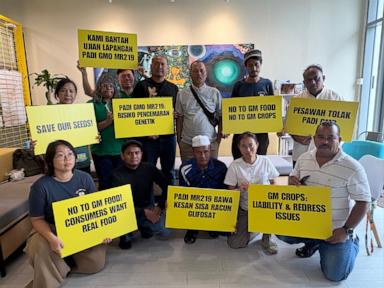
Malaysian activists and environmental groups are throwing another predictable temper tantrum. Their latest target is a proposed field trial for genetically modified rice, and their playbook reads like a greatest hits album of anti-science panic. They scream about biodiversity, corporate control, and chemical dependency while conveniently ignoring the biological reality of modern agriculture.
I have spent two decades walking muddy paddies across Southeast Asia, watching smallholders fight a losing war against climate volatility, shifting pest pressures, and stagnating yields. I have seen organizations blow millions on romanticized organic fantasies that yield just enough grain to watch a family starve slowly.
The lazy consensus among green NGOs is that traditional farming equals harmony and genetic modification equals corporate colonization. That binary is a comfortable fiction. It protects egos, secures donor funding, and keeps urban activists feeling morally superior while rural farmers carry the actual body count of climate change.
The Privilege of Rejecting Science
Let us address the core argument pushed by groups opposing the Malaysian field trials: the preservation of indigenous food sovereignty. It sounds noble on a glossy brochure. It plays well to comfortable urbanites who buy their produce in climate-controlled supermarkets.
It is also an absolute luxury belief.
Food sovereignty means nothing if your crop rots in a waterlogged field or gets decimated by blast fungus before it hits the pan. When environmental coalitions demand a blanket rejection of biotech innovations, they are demanding that farmers remain trapped in a 19th-century subsistence trap. They want to preserve a museum piece, not an economy.
Look at the data from the International Rice Research Institute. Climate shifts are shrinking arable land and upending monsoon patterns across the region. Traditional breeding cycles take decades to respond to rapid ecological changes. Genetic tools compress those timelines from twenty years to five. To block those tools out of abstract ideological purity is not environmentalism. It is malpractice.
The Myth of Corporate Enslavement
The loudest weapon in the anti-GMO arsenal is the specter of multinational seed monopolies. Activists paint a picture of innocent Asian farmers forced into perpetual debt by predatory Western corporations holding patents on every grain of rice.
I have news for anyone repeating that tired line: patent expiration dates exist, public-sector breeding institutions exist, and local universities across Asia are developing open-source biotech solutions right now. Malaysia possesses world-class agricultural research universities capable of vetting, modifying, and owning local crop traits without selling out to foreign conglomerates.
Pretending that all biotechnology is a nefarious plot by chemical giants is a lazy substitute for doing the hard regulatory work. Instead of banning trials outright, the rational response is aggressive public oversight. Demand local ownership. Mandate open-source testing. Build rigorous biosafety protocols. Do not throw out the entire scientific framework because you are scared of a corporate boogeyman.
The Real Cost of Stagnation
When critics claim that GMO rice threatens local biodiversity, they are confusing a monoculture field with a natural ecosystem. A paddy field is already an artificial construct. Whether the seed inside it was cross-bred by a monk in 1950 or edited via precision gene-silencing in a lab this morning, it is an engineered food production system designed to feed humans, not to serve as a wildlife sanctuary.
If you want to protect biodiversity, the single best thing you can do is increase agricultural efficiency. The more rice you can grow on a single acre of existing farmland, the less forest you need to bulldoze to feed a growing population. Low-yield organic fundamentalism is a primary driver of deforestation. When yields drop, farmers expand their footprint into pristine secondary forests and watershed areas.
Environmental groups refuse to connect those dots because the math destroys their narrative.
What Actually Works
If Malaysia wants food security, the path forward requires abandoning emotional theater and embracing hard utility.
First, decouple biotech regulation from politics. Field trials should be judged by toxicologists, agronomists, and ecologists based on empirical risk assessment, not by public relations committees trying to appease international donors.
Second, fund public-sector trait development. When governments invest in domestic agricultural biotechnology, they strip multinational corporations of their leverage. Keep the intellectual property in public hands.
Third, listen to the young agronomists and smallholders who are tired of back-breaking manual labor and unpredictable harvests. They do not want romanticized poverty. They want drought-resistant, pest-tolerant, high-yielding crops that let them send their kids to university.
The activists fighting these trials are not saving Malaysian agriculture. They are holding it hostage to keep their mailing lists active. Stop listening to the people who have never grown a single stalk of rice in their lives, and start listening to the biology that keeps us all alive.


