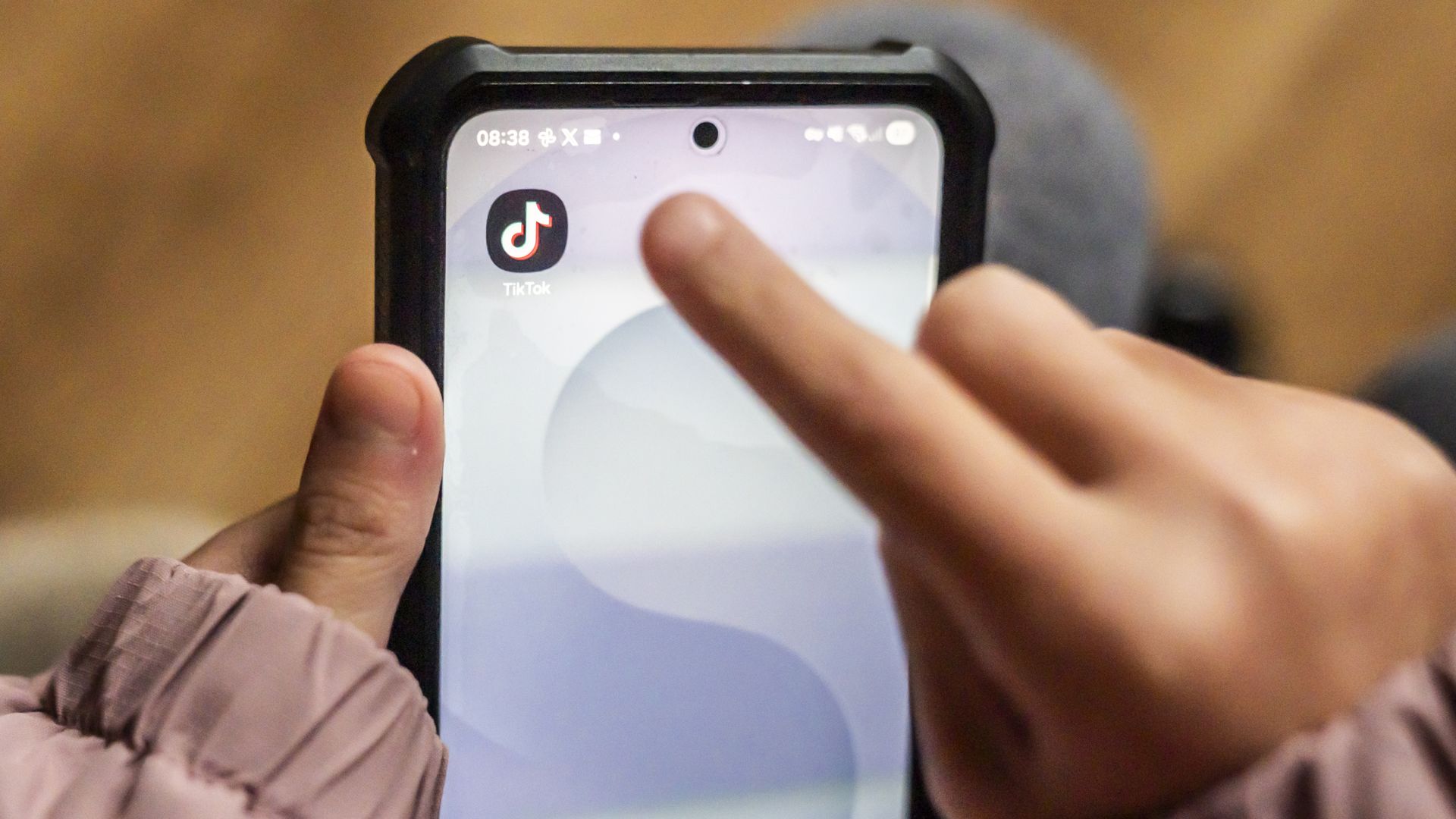
TikTok and its parent company ByteDance just agreed to shell out $400 million to settle a massive federal lawsuit over kids' privacy. If you think that is just another corporate penalty that gets written off as the cost of doing business, look closer. This isn't just about money. It marks a breaking point for how tech platforms handle underage users.
The U.S. Department of Justice and the Federal Trade Commission brought the heat, alleging that the short-video giant completely dropped the ball on the Children's Online Privacy Protection Act, commonly known as COPPA. Under the deal, TikTok has to wire $300 million right away, while another $100 million hinges on clearing out an old consent decree tied to Musical.ly, the app TikTok absorbed years ago. It stands as one of the largest penalties ever handed down for children's privacy violations.
The Reality of How Kids Bypassed the System
Parents already knew what the government proved in court. Children under 13 were opening regular accounts, scrolling through adult content, and handing over personal data without mom or dad ever knowing.
Federal investigators pointed out specific failures. Even when accounts were made under a designated "Kids Mode," personal details like email addresses still slipped through the cracks. Worse, when parents tried to exercise their legal right to get their children's data deleted, the platform made the process frustratingly difficult.
We are talking about a law that has existed for decades. COPPA is not complicated. If a platform targets or knowingly lets kids under 13 use its service, it needs verifiable parental consent before harvesting data. TikTok treated that mandate like an optional suggestion rather than a hard rule.
Why This Penalty Hits Differently
Back in 2019, Musical.ly settled a similar COPPA complaint for a measly $5.7 million. Back then, tech companies viewed tiny fines as pocket change. They could break the rules, pay a fraction of a percent of their quarterly revenue, and keep growing.
A $400 million price tag is a different beast. It signals that regulators are done playing games with repeat offenders. When a company ignores a prior agreement and keeps collecting data from underage users, the escalation is severe.
This financial hit also arrives alongside massive structural shifts for the app. With control of TikTok's U.S. operations shifting toward a majority American-owned joint venture, new management faces a stricter regulatory climate. The government noted that the company has finally started overhauling its compliance protocols and age-verification gates.
What This Means for Other Social Media Apps
Every major tech executive in Silicon Valley just felt a cold sweat. If TikTok can get tagged with a historic penalty for failing to keep under-13 users off the main feed, platforms like Instagram, YouTube, and Snapchat are on notice.
Lawmakers and regulators are no longer accepting vague promises about self-regulation. Age verification is shifting from an honor system where kids just type in a fake birth year to something much more rigid. Expect mandatory ID checks, biometric estimations, or strict default privacy settings that treat every minor account with maximum protection by default.
If you run an online platform or build digital products, the era of looking the other way on underage registration is over. Compliance is expensive, but non-compliance now costs hundreds of millions of dollars.
Tighten your age gates, audit your data collection pipelines, and assume regulators are watching your signup flow right now.


