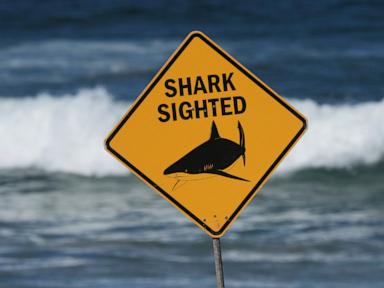
The tragic loss of a 39-year-old spearfisherman at Kennedy Shoal on the Great Barrier Reef marks Australia's second fatal shark encounter in just over a week. For the tight-knit community of Cairns and ocean lovers nationwide, the news hits hard. It follows the death of Steven Mattaboni, a 38-year-old father of two who was killed by a great white shark off Rottnest Island in Western Australia on May 16.
When things like this happen back-to-back, fear spreads fast. People want to know if the oceans are getting more dangerous, or if these are just horrible, isolated coincidences. The reality is more complicated than a simple yes or no. The behavior of marine apex predators is shifting, and anyone who spends time in the water needs to understand why. Meanwhile, you can explore related events here: The Anatomy of the Hormuz Memorandum: A Brutal Breakdown of the US-Iran Ceasefire Framework.
The Reality of Back-to-Back Incidents
On Sunday, May 24, 2026, a group of four friends set out on a seven-meter vessel to fish near Kennedy Shoal, a submerged reef about 160 kilometers south of Cairns. It's a popular spot for diving, recreational fishing, and exploring the 19th-century shipwreck Lady Bowen. Shortly before noon, a shark struck.
Queensland Police Inspector Elaine Burns confirmed the victim suffered a critical head injury. A companion managed to pull him from the water and onto the boat, but the injuries were severe. By the time the vessel reached the Hull River Heads boat ramp around 1:00 p.m., paramedics found his injuries incompatible with life. Local fishers had reported seeing bull sharks in the exact area earlier that day. To understand the bigger picture, check out the recent article by USA Today.
Just eight days prior, the West Australian diving community experienced a similar shock. Steven Mattaboni was spearfishing at Horseshoe Reef, less than a mile off the coast of Rottnest Island, when a suspected 16-foot great white shark bit his lower leg. His friends pulled him onto a dive boat and performed CPR on the way to the Geordie Bay jetty, but he couldn't be saved.
These deaths bring Australia's total shark fatalities for 2026 to three, following the loss of young Nico Antic in Sydney after a bull shark encounter in January.
Why Spearfishing Carries a Unique Risk
Spearfishing is entirely different from surfing or swimming on a crowded beach. When you spear a fish, you aren't just an observer in the water. You're actively creating the exact conditions that draw apex predators from miles away.
- Low-frequency vibrations: A thrashing, dying fish sends intense panic signals through the water column. Sharks detect these pressure waves instantly using their lateral lines.
- Blood and oils: Even a small amount of blood from a reef fish acts as an inescapable scent trail.
- The dinner bell effect: Sharks quickly learn to associate the distinct acoustic "thwack" of a speargun firing with an easy, free meal.
Local commercial fishing operators on the Great Barrier Reef have noted a visible change in how predators behave around boats. Gererd Pike, who works near Kennedy Shoal, reported that sharks have become significantly bolder and more numerous over the last few years. He described instances of up to six sharks instantly destroying a hooked mackerel before it could be reeled in, noting that the aggressive behavior has made certain reefs almost impossible to fish.
Marine Shifts and Changing Regulations
Understanding why these encounters happen requires looking past the sensational headlines. Scientists and local fishers point to a few specific factors driving the increased activity along both the eastern and western coastlines.
Changes in commercial fishing regulations, including stricter limitations on harvesting large apex predators, mean more mature sharks are staying in the ecosystem. While this is a win for marine conservation, it naturally creates higher competition for food among marine life. At the same time, shifting ocean temperatures alter the migration patterns of baitfish, pulling sharks into shallower, reef-heavy recreational zones where humans are present.
It's a delicate balance. The ocean belongs to these animals, but the growing overlap between human recreation and predator territory means the old assumptions about water safety don't always hold up.
Practical Steps for High-Risk Waters
You don't need to completely give up the ocean, but you do need to alter how you operate in high-risk zones. If you spearfish or dive on offshore reefs, standard safety protocols require an upgrade.
Never swim a speared fish back to your float or keep it on your body. Get the catch out of the water and onto the boat immediately. If a shark approaches and shows interest in your catch, cut the line and let them have it. Fighting a predator for a piece of fish is a losing battle.
Avoid diving in low-visibility water, near river mouths after heavy rain, or during dawn and dusk when bull sharks and tiger sharks actively hunt. Electronic shark deterrent devices, while not foolproof, offer an extra layer of defense that many modern divers now consider mandatory gear.
The tragedy at Kennedy Shoal is a stark reminder that ocean conditions are changing. Staying safe requires acknowledging those changes, respecting the predators that live there, and adapting how we dive.